By Steven Wells
As I delved into the world of audio, I found myself entangled in the eternal debate: In-Ear vs Over-Ear headphones. It’s a choice that has sparked intense discussions among audiophiles and casual listeners alike. I recall my own journey, navigating the bustling streets of Tokyo, where the cacophony of sounds was only tempered by the sweet melodies flowing from my trusty headphones. The question of which type to use has become a pressing concern, with each side touting its own set of benefits.
In this article, I promise to cut through the hype and provide you with honest, experience-based advice. As someone who has spent years traversing the globe, I’ve had my fair share of encounters with both types of headphones. From the scorching deserts of Australia to the lush forests of Southeast Asia, my travels have taught me that the right headphones can make all the difference. I’ll share my personal anecdotes, highlighting the key differences between In-Ear and Over-Ear headphones, to help you make an informed decision that suits your unique needs and preferences.
Table of Contents
In-Ear Headphones
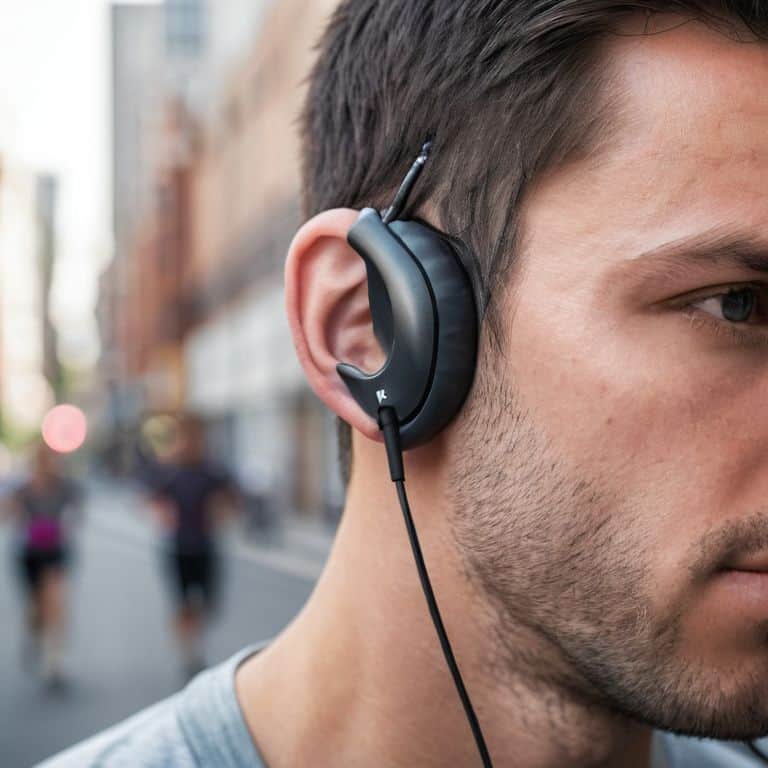
In-ear headphones are a type of audio device that fits snugly inside the ear canal, utilizing sound isolation to deliver clear and immersive sound, with their main selling point being their portability and convenience. This design allows for an efficient transmission of sound waves directly into the ear, reducing external noise and minimizing sound leakage. The in-ear headphones’ core mechanism relies on small drivers that produce sound in a compact, user-friendly package, making them ideal for daily commutes or workouts.
As I reflect on my travels, I recall the bustling streets of Tokyo, where the sound of neon lights and chatter filled the air, and my in-ear headphones became my trusted companion, allowing me to tune in to my favorite podcasts or escape into a world of music. The clarity of sound and discreet design of in-ear headphones made them an indispensable tool for navigating unfamiliar cities, enabling me to stay focused on the stories and sounds that surround me, while also appreciating the intimate connection they provided to the audio narrative.
Over-Ear Headphones
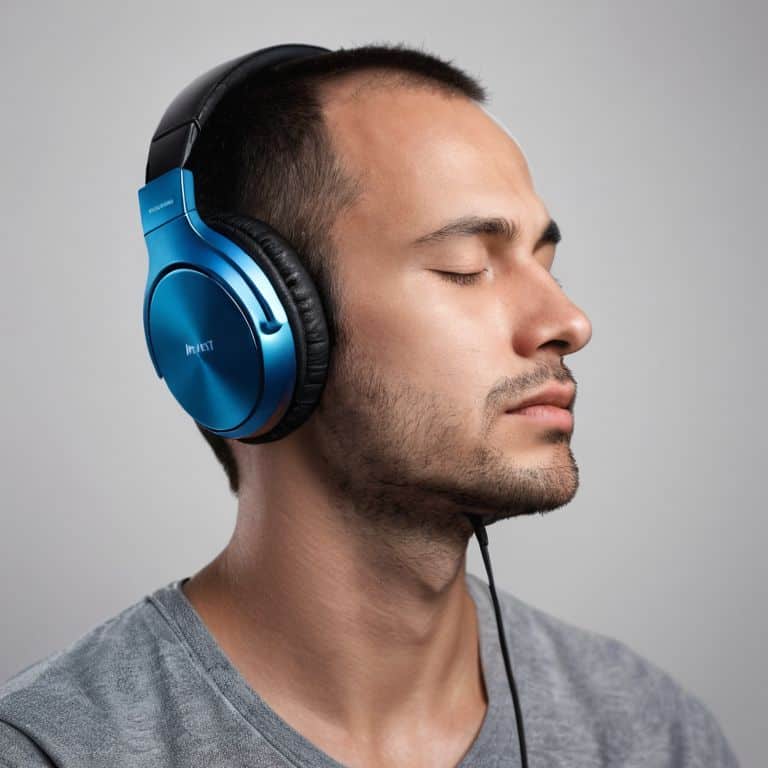
Over-ear headphones are a type of audio device that completely covers the ear, utilizing advanced noise cancellation to deliver a rich and immersive listening experience, with their main selling point being their superior sound quality and comfort. This design allows for a more accurate representation of sound, with the ear cups enclosing the ears to prevent sound leakage and external noise interference. The over-ear headphones’ core mechanism relies on larger drivers that produce a wider range of frequencies, resulting in a more engaging audio experience.
As I settled into my favorite café, surrounded by the warm aroma of freshly brewed coffee and the gentle hum of conversation, my over-ear headphones transported me to a world of pure sonic bliss, where the nuances of sound and depth of bass became almost palpable. The comfortable fit and advanced noise cancellation of over-ear headphones allowed me to fully immerse myself in the stories and music, blocking out distractions and focusing my senses on the rich, vibrant sounds that filled my ears, creating a truly intimate connection with the audio narrative.
Head-to-Head Comparison
| Feature | In-Ear Headphones | Over-Ear Headphones |
|---|---|---|
| Price | $10-$100 | $50-$500 |
| Key Feature | Portability, Isolation | Immersive Sound, Comfort |
| Best For | Running, Commuting | Gaming, Studio Recording |
| Sound Quality | Good, dependent on fit | Excellent, detailed soundstage |
| Noise Cancellation | Passive, some models active | Active, advanced noise cancellation |
| Durability | Fragile, prone to damage | Sturdy, long-lasting |
| Weight | Very Light (10-20g) | Heavy (200-400g) |
Navigating in Ear vs Over Ear Headphones
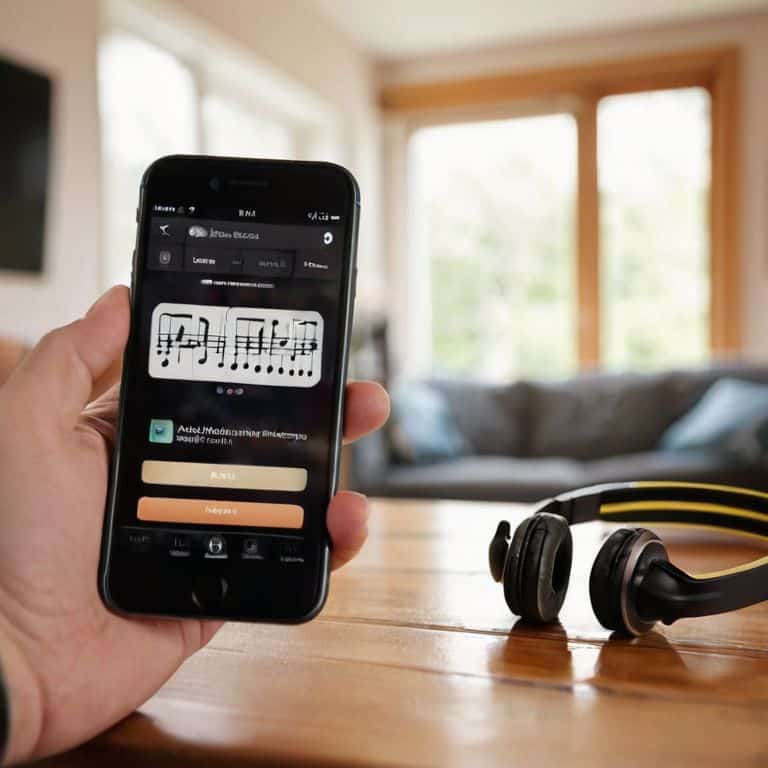
As I delve into the world of headphones, I find myself pondering the significance of navigation in the In-Ear vs Over-Ear debate. Why does it matter, you ask? Well, my friend, it’s quite simple really – the way we navigate our music, podcasts, or audio books can greatly impact our overall listening experience.
When it comes to navigating In-Ear vs Over-Ear headphones, there are some notable differences. In-Ear headphones, for instance, often rely on intuitive controls that allow users to seamlessly switch between tracks or adjust volume with ease. On the other hand, Over-Ear headphones typically boast more complex navigation systems, featuring a wider range of controls that can be both a blessing and a curse.
In practice, this means that In-Ear headphones are perfect for those who value effortless navigation, while Over-Ear headphones cater to users who prefer a more customizable experience. After careful consideration, I’d declare In-Ear headphones the winner in this category, as their streamlined navigation makes for a more enjoyable listening experience.
Key Takeaways for the Discerning Traveler
As I reflect on my journeys, I’ve found that in-ear headphones are ideal for navigating crowded streets and bustling markets, where their discreet design and excellent noise isolation help me stay focused on the local sounds and stories.
Over-ear headphones, on the other hand, have become my go-to companion for long, contemplative walks along the coast or through serene landscapes, as they envelop me in a rich, immersive sound that complements the natural beauty around me.
Ultimately, whether you choose in-ear or over-ear headphones, the most important thing is to select a pair that resonates with your personal story and the way you experience the world, much like my trusty compass guides me towards new tales and adventures.
Finding Harmony in Sound
Just as the tides ebb and flow, our journey through sound is a constant balance between immersion and awareness, a delicate dance where in-ear and over-ear headphones serve as our companions, each offering a unique melody to the symphony of our travels.
Steven Wells
The Final Verdict: Which Should You Choose?
As I reflect on my journey comparing in-ear and over-ear headphones, I’m reminded that the perfect choice depends on a delicate balance of factors, including sound quality, comfort, and personal preference. Through my exploration, I’ve come to realize that sound immersion is a crucial aspect, with over-ear headphones often providing a more immersive experience due to their ability to cover the entire ear. However, in-ear headphones have their own advantages, such as portability and ease of use, making them ideal for on-the-go listeners.
In the end, the overall winner is the over-ear headphones, particularly for those who value high-fidelity sound and are willing to compromise on portability. On the other hand, in-ear headphones are best suited for active users who need a lightweight and convenient solution for their daily commutes or workouts. As a former travel journalist, I can attest that both types have their place in the world of audio, and the right choice ultimately depends on the individual’s lifestyle and listening habits. By considering these factors, you can make an informed decision and find the perfect pair to accompany you on your own sonic journey.
Frequently Asked Questions
How do in-ear and over-ear headphones compare in terms of sound isolation and immersion?
As I delve into the world of sound, I find that in-ear headphones offer superb sound isolation, blocking out ambient noise like the gentle lapping of waves against the shore. Over-ear models, however, often provide a more immersive experience, enveloping me in a rich, vibrant soundscape that’s akin to standing at the edge of a bustling marketplace in a foreign land.
Are over-ear headphones more comfortable for long listening sessions than in-ear models?
As I’ve found on my own voyages, over-ear headphones often provide a more comfortable fit for extended listening sessions, gently cradling the ears and reducing pressure points, whereas in-ear models can sometimes cause discomfort after hours of wear, a consideration I keep in mind when building my miniature dioramas, where every detail, including the listener’s experience, matters.
Do in-ear headphones have an advantage over over-ear models when it comes to exercising or engaging in high-intensity activities?
As I’ve found on my own journeys, in-ear headphones are often the better companion for high-intensity activities, their snug fit and sweat resistance making them ideal for runners, cyclists, or anyone who moves to the rhythm of adventure.