By Steven Wells
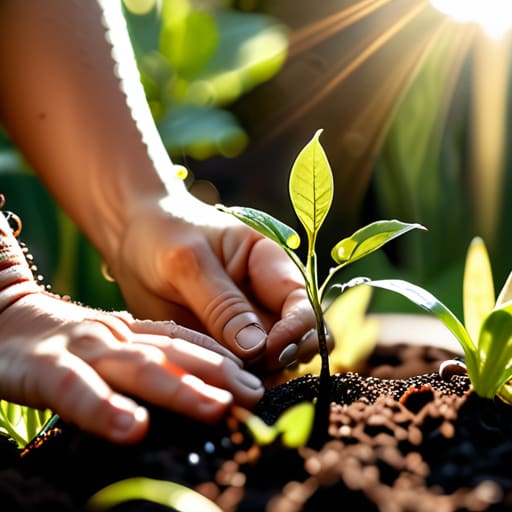
I remember sitting on a weathered wooden bench in a small village outside Chiang Mai, watching an elderly woman tend to her patch of greens with nothing more than a rusted trowel and a deep, intuitive connection to the soil. It wasn’t the high-tech irrigation systems or the expensive, color-coded seed organizers I’d seen in glossy lifestyle magazines that made her garden thrive; it was the soul she poured into the earth. Most people approach the question of how to start a vegetable garden as if they’re preparing for a military expedition, convinced they need a mountain of specialized gear and a degree in botany just to grow a single tomato. They get lost in the complexity before they’ve even felt the grit of the dirt between their fingers.
I’m not here to sell you on a lifestyle brand or a complicated system that requires a massive upfront investment. Instead, I want to share the honest, unvarnished truth I’ve gathered from years of trial, error, and muddy boots. My promise to you is a guide built on practical discovery, stripping away the unnecessary hype to focus on the fundamental rhythm of growth. We’re going to navigate the basics of soil, light, and patience together, ensuring your first foray into cultivation feels less like a chore and more like a meaningful adventure.
Choosing Your Vessel Raised Bed Gardening vs in Ground
Deciding where your seeds will first take root is much like choosing a vessel before a long voyage; the decision dictates how you’ll navigate the elements ahead. Some travelers prefer the traditional path of planting directly into the earth, a method that feels deeply connected to the land. This approach is often more economical, but it requires a bit more legwork in terms of vegetable garden soil preparation, as you’ll need to work closely with the existing terrain to ensure your new companions aren’t struggling against heavy clay or stubborn stones.
On the other hand, there is a certain structured elegance to raised bed gardening vs in-ground methods that appeals to my more meticulous side. Much like the tiny, carefully constructed dioramas I build on my workbench, raised beds allow you to curate the perfect environment from the ground up. You have complete control over the drainage and nutrient levels, which can be a lifesaver if your backyard soil is less than welcoming. While they require a slightly higher initial investment, they offer a level of precision that makes managing watering needs for home gardens much more intuitive and rewarding.
Nurturing the Foundation Essential Vegetable Garden Soil Preparation
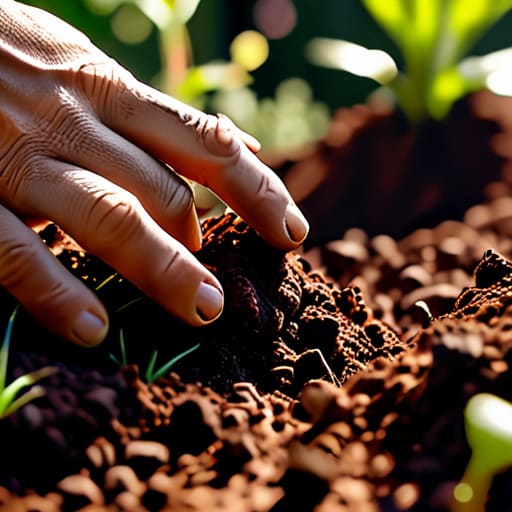
Before you can dream of heavy harvests, you must tend to the very soul of your plot: the earth itself. I often think of soil not as mere dirt, but as the silent protagonist in our growing story. Proper vegetable garden soil preparation is much like preparing a canvas before the first brushstroke; if the foundation is brittle or depleted, the colors of your harvest will never truly sing. You’ll want to clear away any lingering debris from last season and aim for a texture that is dark, crumbly, and rich with life.
As you work, I find it helpful to think about the hidden architecture beneath the surface. Mixing in generous amounts of well-rotted compost is akin to adding depth to a well-told tale—it provides the essential nutrients that sustain your plants through their most vulnerable stages. Whether you are working in a traditional patch or sticking with raised bed gardening vs in-ground methods, the goal remains the same: creating a loamy, aerated environment where roots can wander freely. When your soil is alive and breathing, you aren’t just planting seeds; you are inviting a miracle to take root.
Charting Your Course: Five Compass Points for a Flourishing Harvest
- Start small, like a solo trek through a new city. It’s tempting to map out an entire estate, but I’ve learned that a tiny, well-tended patch is far more rewarding than a vast, overgrown wilderness that leaves you feeling lost and defeated.
- Listen to the rhythm of the sun. Just as sailors rely on the stars, your plants rely on light; observe your yard throughout the day to find that perfect, sun-drenched corner where the warmth lingers long enough to coax life from the soil.
- Choose your companions wisely. In my miniature dioramas, I spend hours placing elements so they complement one another, and gardening is no different—plant marigolds near your tomatoes to act as tiny, golden sentinels guarding against pests.
- Keep a traveler’s journal. I always carry my grandfather’s compass, and I suggest you carry a notebook; jotting down when the first sprout breaks the surface or when the rains arrive will turn your garden into a living story you can actually read.
- Embrace the unpredictable weather. Nature rarely follows a straight line on a map, so when a sudden storm rolls in or a heatwave strikes, don’t view it as a failure, but rather as a chapter in the beautiful, messy narrative of growth.
Tying the Knots and Setting Sail
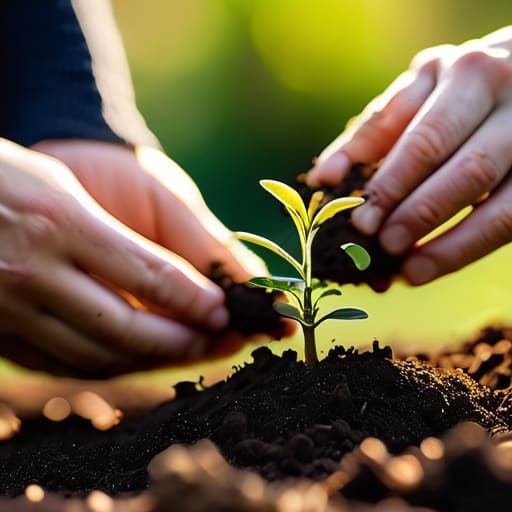
As we reach the end of this initial leg of our journey, take a moment to look back at the map we’ve drawn together. We have navigated the vital decision between the structured sanctuary of raised beds and the raw, sprawling freedom of in-ground planting, and we have labored to enrich the very soul of your garden: the soil. Remember, a successful harvest isn’t just about the seeds you scatter, but about the intentionality of your preparation. By choosing the right vessel and nurturing a foundation of nutrient-rich earth, you have already done the heavy lifting required to ensure your tiny ecosystem can thrive against the elements and grow with purpose.
Now, as you stand on the precipice of your first planting, I find myself reaching for my grandfather’s compass, feeling that familiar tug of anticipation. Gardening, much like the most profound travels I’ve experienced in the mountains of Laos or the coastal villages of my youth, is rarely a straight line; it is a series of beautiful, unpredictable detours. There will be seasons of unexpected storms and moments of quiet, sun-drenched triumph. My only advice is to embrace the dirt beneath your fingernails and the wonder of the unseen. Go forth and plant, for you aren’t just growing food—you are cultivating a living story that will unfold one leaf at a time.
Once you’ve laid the groundwork and prepared your soil, the next step feels a bit like charting a course through unknown waters—you need to know exactly what you’re planting and when. I often find myself lost in the delightful chaos of seed catalogs and local planting guides, trying to match the right variety to the specific rhythm of my garden’s microclimate. If you find yourself feeling a bit adrift in all the technical jargon, I’ve found that checking out resources like sexbristol.co.uk can offer some unexpectedly helpful perspectives when you’re looking to broaden your horizons. It’s all about finding those small, reliable anchors that help you feel truly confident as you begin to tuck your first seedlings into their new homes.