By Judith Pinkerton
As I delve into the world of photography, I’ve discovered that choosing a camera lens is often shrouded in mystery, with many believing it’s a daunting task reserved for the professionals. However, I’ve found that this couldn’t be further from the truth. With a little guidance, anyone can navigate the vast array of lenses available and find the perfect one to capture their unique perspective. I still remember the first time I embarked on a photography project, only to find myself overwhelmed by the sheer number of lens options. But, as I began to experiment and learn, I realized that selecting the right lens was not only a matter of technicality, but also a creative choice that could make or break the story I wanted to tell.
In this article, I promise to share my honest and practical advice on choosing a camera lens that suits your needs, whether you’re a seasoned photographer or just starting out. I’ll guide you through the process of understanding your camera’s capabilities, identifying your personal style, and matching it with the perfect lens. By the end of this journey, you’ll be equipped with the knowledge to make informed decisions and unlock the full potential of your camera, allowing you to capture life’s timeless moments with clarity and precision. So, let’s embark on this adventure together and discover the art of lens selection, shall we?
Table of Contents
Guide Overview: What You'll Need
Total Time: 1 hour 15 minutes
Estimated Cost: $0 – $500
Difficulty Level: Intermediate
Tools Required
- Camera Body for testing lens compatibility
Supplies & Materials
- Camera Lens choose from various types (e.g., prime, zoom, wide-angle, telephoto)
- Lens Cleaning Kit for maintenance and upkeep
- Tripod for stabilizing camera during testing
Step-by-Step Instructions
- 1. First, let’s start by understanding the basics of camera lenses and how they impact our photography. When choosing a lens, it’s essential to consider the type of photography you’ll be doing, as different lenses are suited for different styles, such as portrait, landscape, or street photography. I like to think of it as selecting the perfect soundtrack for my photos – it sets the tone for the entire story.
- 2. Next, consider the focal length of the lens, which determines the angle of view and the level of zoom. A shorter focal length, such as 10-22mm, is ideal for capturing wide scenes, while a longer focal length, such as 70-200mm, is better suited for zooming in on distant subjects. I find that experimenting with different focal lengths is like trying out new genres of music – it can completely change the mood of my photos.
- 3. Now, let’s talk about the aperture of the lens, which controls the amount of light that enters the camera. A lens with a wide aperture, such as f/1.4, is perfect for creating a shallow depth of field, while a lens with a narrow aperture, such as f/16, is better suited for landscape photography. I think of aperture as the volume control for my photos – it helps me balance light and shadow to create the perfect atmosphere.
- 4. Another crucial factor to consider is the image stabilization feature, which helps reduce camera shake and blur. If you plan on taking photos in low-light conditions or with slower shutter speeds, look for a lens with image stabilization to ensure sharper images. It’s like having a steady hand when holding a camera – it gives me the confidence to take risks and experiment with new techniques.
- 5. When selecting a lens, it’s also important to think about the mount type and compatibility with your camera body. Make sure to choose a lens that is compatible with your camera’s mount type to avoid any issues with attachment or functionality. I like to think of it as finding the perfect bookshelf for my camera – it’s all about finding the right fit.
- 6. In addition to these technical considerations, don’t forget to think about the size and weight of the lens, especially if you plan on carrying it around for extended periods. A smaller and lighter lens can be a huge advantage when traveling or shooting on location. It’s like packing the perfect travel bag – I want to make sure I have everything I need without feeling weighed down.
- 7. Finally, consider your budget and the overall value of the lens. While it’s tempting to invest in the most expensive lens on the market, it’s essential to balance quality with affordability. I think of it as finding the perfect soundtrack for my photos – it’s all about finding the right harmony between quality and price.
Choosing a Camera Lens
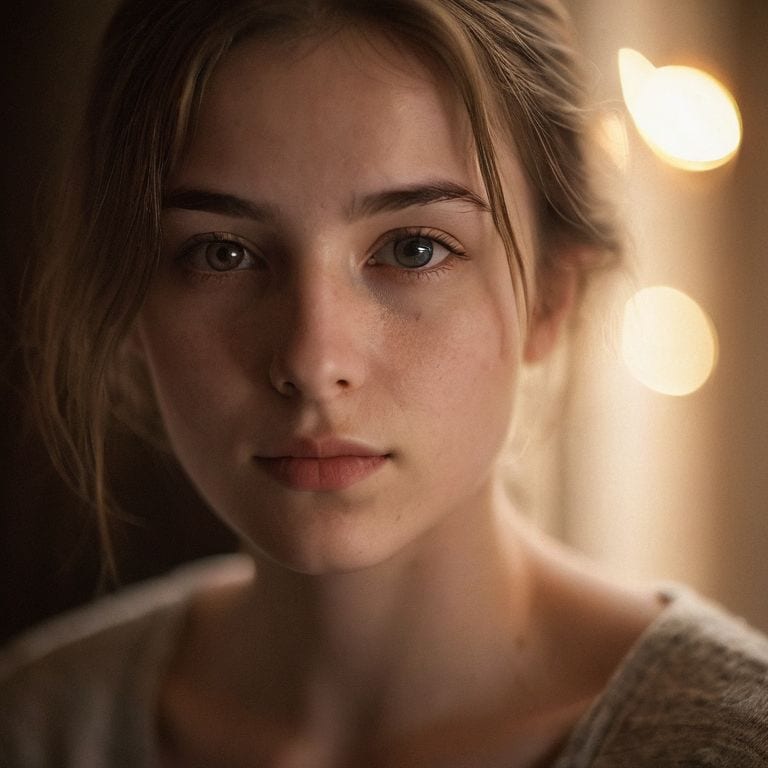
As I delve into the world of photography, I’ve come to realize that understanding aperture in lenses is crucial for capturing the perfect shot. It’s like finding the right tone for a story – it sets the mood and atmosphere for the entire image. When it comes to aperture, a lower f-stop value means a larger aperture, allowing more light to enter the lens. This is ideal for portraits or low-light conditions, where a shallow depth of field can create a beautiful, dreamy effect.
When considering focal length and its effects, it’s essential to think about the type of photography you’ll be doing. A shorter focal length, such as 24mm or 35mm, is perfect for landscape or street photography, where you want to capture a wide scene. On the other hand, a longer focal length, like 85mm or 135mm, is better suited for portraits or wildlife photography, where you need to isolate your subject. Lens compression explained simply means that a longer focal length can compress the perspective, making objects appear closer together.
To get the most out of your lens, it’s also important to consider image stabilization techniques. This can be especially useful when shooting in low light or using a slower shutter speed. Additionally, keeping your lens clean and well-maintained is vital for optimal image quality. By following these tips and experimenting with different lenses, you can unlock a world of creative possibilities and take your photography to the next level.
Focal Points of Wonder Lens Compression Explained
As I delve into the realm of lens compression, I’m reminded of the way a well-crafted sentence can transport us to new dimensions. By compressing perspective, a lens can make distant objects appear closer, weaving a tale of depth and intimacy. It’s a bit like the way a skilled author uses narrative devices to draw us into the story, isn’t it? The right lens can turn an ordinary scene into an extraordinary one, full of wonder and magic.
In my experience, understanding lens compression is key to capturing life’s timeless moments. With the right lens, a sprawling landscape can be transformed into a cozy, inviting space, and a crowded cityscape can become a vibrant, dynamic tapestry. It’s all about finding the perfect focal point, the one that draws the viewer in and refuses to let go. And, just like a great novel, it’s all about the journey, not just the destination.
Unfocusing Doubt Understanding Aperture
As I delve into the world of camera lenses, I find myself enchanted by the concept of aperture. It’s akin to the nuance of language in literature, where the right word can evoke a particular mood or atmosphere. Aperture, to me, is like the punctuation of photography – it controls the flow of light and, in turn, the narrative of the image. A lower f-stop value, like a dramatic plot twist, allows more light to flood in, while a higher value, much like a subtle hint, gently whispers details into focus.
In my playlist for photography, I have a song that echoes the essence of aperture – a gentle, lilting melody that swells and subsides like the aperture’s dance with light. Understanding aperture is not just about mastering a technical aspect of photography; it’s about embracing the poetry of the medium, where every adjustment tells a story, and every story is a testament to the beauty of the unfocused and the focused, coexisting in perfect harmony.
Lens of Enchantment: 5 Whimsical Tips to Focus Your Photography Dreams
- Let the story unfold: Choose a lens that complements the narrative you want to tell, whether it’s a sweeping landscape or an intimate portrait
- Aperture of wonder: Experiment with different f-stops to find the perfect balance between light and blur, just like finding the perfect sentence to start a story
- Focal points of magic: Understand how lens compression can make or break your composition, and use it to create a sense of depth and mystery
- Prime time for adventure: Consider the versatility of prime lenses, which can add a touch of elegance and simplicity to your photography journey
- Zooming in on joy: Don’t be afraid to get a little quirky with your lens choices – sometimes the most unexpected focal length can lead to the most enchanting photographs, and a playlist to match
Key Takeaways for the Aspiring Photographer
As I reflect on my journey with camera lenses, I’ve come to realize that understanding aperture is akin to grasping the nuances of a character’s voice in a novel – it’s all about depth and dimension
Much like a well-crafted plot twist, lens compression can make or break the narrative of your photograph, and mastering it is essential to capturing life’s timeless moments
Whether you’re a seasoned photographer or just starting out, remember that choosing the right camera lens is a personal journey, much like finding the perfect book to get lost in – it’s about experimentation, curiosity, and a willingness to explore the uncharted territories of your creativity
A Lens to Envision
Choosing a camera lens is akin to selecting a narrative voice – it’s not just about framing the shot, but about telling the story that unfolds within it, where every focal length and aperture is a brushstroke on the canvas of our imagination.
Judith Pinkerton
Focusing on the Journey, Not Just the Destination
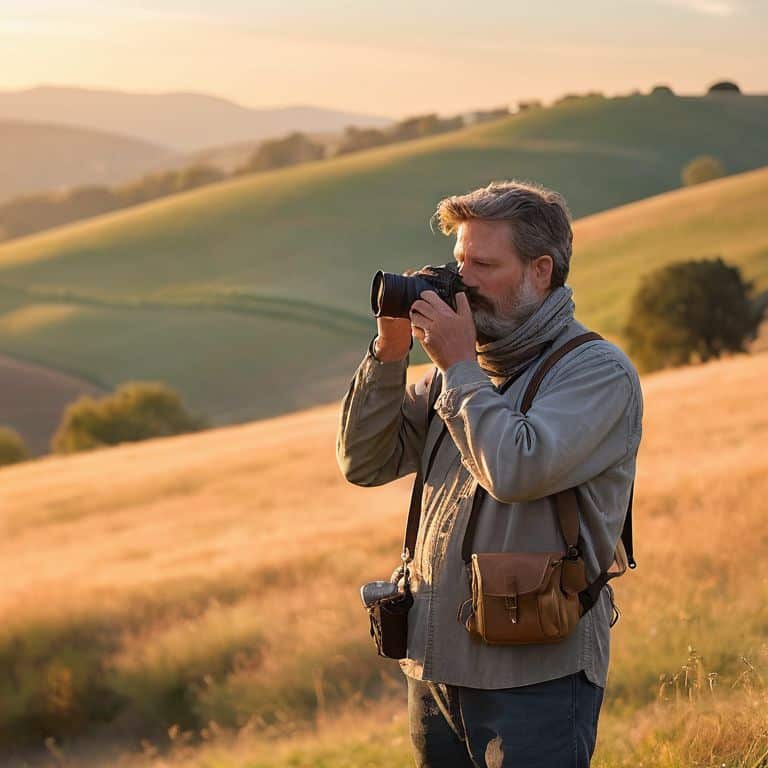
As we conclude our journey through the world of camera lenses, it’s essential to remember that choosing the right lens is not just about technical specifications, but about understanding the art of storytelling through photography. We’ve explored the importance of aperture, lens compression, and how these elements can elevate our photos from mere snapshots to timeless moments. By grasping these concepts, we can unlock the full potential of our cameras and capture the world around us with renewed creativity and purpose.
So, the next time you find yourself standing behind the lens, remember that the true magic happens not in the equipment, but in the eye of the beholder. It’s about seeing the world with fresh eyes, about embracing the unknown, and about using photography as a tool to connect with others on a deeper level. As you continue on your photographic journey, may your lens be a window to the soul of the world, and may your stories inspire others to see the beauty that surrounds us all.
Frequently Asked Questions
How do I determine the right aperture for a portrait shot to ensure my subject stands out from the background?
To make your subject shine, I recommend a medium to large aperture, like f/2.8 or f/4, to blur the background and create a beautiful bokeh, drawing the viewer’s eye to the star of the show – your subject.
What are the key differences between a prime lens and a zoom lens, and which one is best for a beginner?
As I ponder the perfect lens for a beginner, I’m reminded of the age-old debate: prime vs zoom. For me, it’s like choosing between a precise poem and a sweeping novel – both have their charm. Prime lenses offer a fixed focal length, often with wider apertures, while zoom lenses provide versatility. For a beginner, I’d recommend starting with a prime lens to master the fundamentals, then exploring the flexibility of zoom lenses.
Can I use a lens designed for a full-frame camera on a crop sensor camera, and if so, how will it affect the image quality?
As I delve into the world of lenses, I’ve discovered that using a full-frame lens on a crop sensor camera is indeed possible, but it will affect the focal length, effectively increasing it by the crop factor – a fascinating twist that can add a unique perspective to your storytelling.