By Judith Pinkerton
As I sat in my backyard, watching my friend’s drone soar above the trees, I couldn’t help but think about the misconceptions surrounding drone regulations for beginners. Many people believe that navigating these regulations is a daunting task, but I’m here to tell you that it’s not as complicated as it seems. With the right guidance, you can easily understand and comply with the rules, and start enjoying the thrill of flying your drone in no time. I’ve seen many enthusiasts give up on their hobby due to the confusing laws and regulations, which is why I’m excited to share my knowledge with you and help you get started.
In this article, I’ll provide you with practical advice and honest insights on how to navigate the world of drone regulations. You’ll learn about the essential rules and guidelines you need to follow, from registering your drone to understanding airspace restrictions. My goal is to empower you with the knowledge you need to confidently fly your drone, while also ensuring that you’re aware of your responsibilities as a drone operator. By the end of this guide, you’ll be well on your way to becoming a responsible and informed drone enthusiast, ready to take to the skies and capture stunning aerial footage.
Table of Contents
- Guide Overview: What You'll Need
- Step-by-Step Instructions
- Drone Regulations for Beginners
- Winging It: 5 Essential Tips for Navigating Drone Regulations with Ease
- Key Takeaways for Aspiring Drone Enthusiasts
- Embracing the Skies with Wisdom
- Embracing the Skies with Confidence
- Frequently Asked Questions
Guide Overview: What You'll Need
Total Time: 1 hour 15 minutes
Estimated Cost: $0 – $100
Difficulty Level: Easy
Tools Required
- Computer (with internet connection)
- FAA B4UFLY App (for mobile devices)
Supplies & Materials
- Drone Registration Certificate (if applicable)
- Liability Insurance Information (optional)
Step-by-Step Instructions
- 1. First, let’s start with the basics of drone regulations, which can vary depending on your location, so it’s essential to familiarize yourself with the specific rules in your area. Begin by visiting the official website of your country’s aviation authority to get an overview of the regulations that apply to you.
- 2. Next, you’ll need to register your drone, which is usually required for drones that weigh more than a certain amount. This process typically involves creating an account, providing some basic information about yourself and your drone, and paying a small registration fee.
- 3. Now, it’s time to understand the no-fly zones, which are areas where drones are not allowed to fly, such as near airports, national parks, or military bases. You can use online maps or mobile apps to check for no-fly zones in your area and plan your flights accordingly.
- 4. Before you take to the skies, make sure you understand the rules of the air, including the maximum allowed altitude, which is usually around 400 feet, and the requirement to keep your drone in sight at all times. It’s also important to respect other airspace users, such as airplanes and helicopters.
- 5. To ensure a safe and enjoyable flight, it’s crucial to check the weather before heading out, avoiding strong winds, heavy rain, or extreme temperatures that could affect your drone’s performance. You should also inspect your drone regularly to ensure it’s in good working condition.
- 6. When flying your drone, always be aware of your surroundings, keeping an eye out for obstacles such as trees, power lines, or other aircraft. It’s also important to respect people’s privacy and not fly over private property without permission.
- 7. Finally, consider taking a drone safety course to learn more about safe flying practices and to stay up-to-date with the latest regulations. Many courses are available online and can provide you with a certificate of completion, which may be required by some insurance companies or drone manufacturers.
Drone Regulations for Beginners
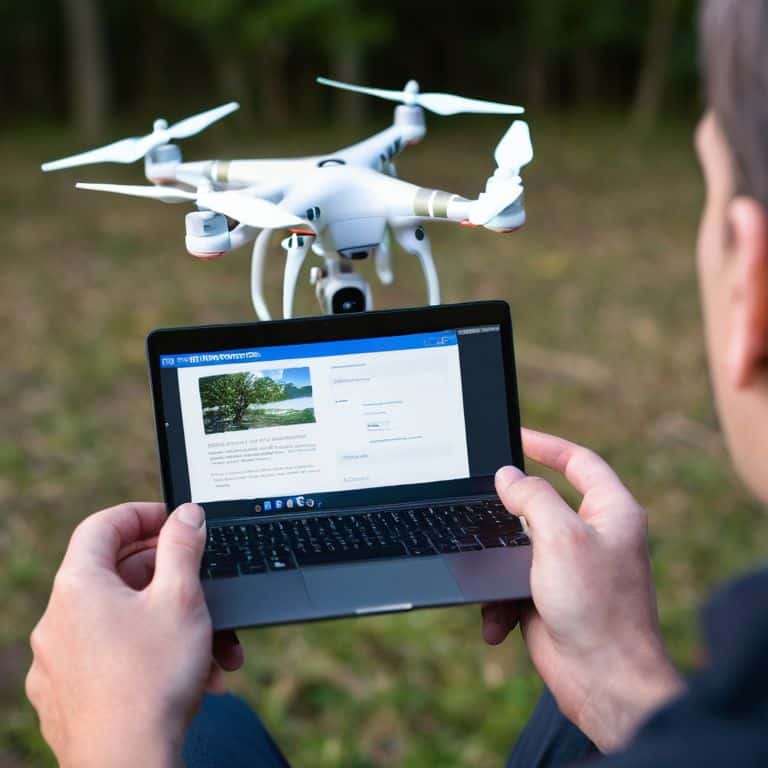
As I delve into the world of drone flying, I’m reminded of the importance of responsible navigation. It’s essential to understand the faa drone registration process, which can seem daunting at first, but trust me, it’s a crucial step in ensuring you’re flying safely and legally. By registering your drone, you’ll not only be complying with regulations but also gaining a deeper understanding of the rules that govern our skies.
When it comes to navigating no fly zones for drones, it’s vital to exercise caution and respect for restricted areas. This includes national parks, airports, and other sensitive zones. Drone altitude restrictions are also in place to prevent accidents and ensure public safety. By familiarizing yourself with these guidelines, you’ll be well on your way to becoming a confident and considerate drone pilot.
As you take to the skies, remember to always be mindful of night time drone flying rules. While it can be exhilarating to fly under the stars, it’s crucial to prioritize visibility and safety. With the right knowledge and precautions, you’ll be able to capture stunning aerial footage and create unforgettable experiences. Whether you’re a seasoned pro or just starting out, drone insurance for beginners is also worth considering to protect yourself and your investment.
Navigating Faa Drone Registration Process
As I delve into the world of drone regulations, I find myself creating a playlist that echoes the thrill of exploration – a mix of adventurous tunes to match the excitement of taking to the skies. Navigating the FAA drone registration process can seem daunting, but trust me, it’s a necessary step to ensure a safe and enjoyable flying experience. The Federal Aviation Administration (FAA) requires drone owners to register their devices if they weigh more than 0.55 pounds, so be sure to check your drone’s specs before flying.
I’ve found that the registration process is relatively straightforward, with a simple online form to fill out and a small fee to pay. Once you’ve registered, you’ll receive a unique identification number to display on your drone, making it easily identifiable. It’s a small price to pay for the freedom to explore the skies, don’t you think?
Uncovering No Fly Zones and Altitude Secrets
As I delve into the world of drone regulations, I find myself drawn to the fascinating realm of no fly zones and altitude secrets. It’s like uncovering a hidden plot twist in a favorite novel – suddenly, the story becomes even more intriguing. To ensure a safe and enjoyable flight, it’s essential to understand where and how high you can fly your drone. The FAA provides an interactive map to help you navigate these restricted areas, and I must say, it’s a valuable resource for any drone enthusiast.
By exploring these guidelines, you’ll discover the altitude secrets that will take your drone adventures to new heights – literally. With a little practice and patience, you’ll be soaring through the skies like a pro, all while staying within the boundaries of safe and responsible flying.
Winging It: 5 Essential Tips for Navigating Drone Regulations with Ease
- Always keep your drone in sight and never fly it higher than 400 feet above the ground to avoid any potential hazards or legal issues
- Respect people’s privacy by not flying your drone over private property without permission, and be aware of any local laws regarding aerial photography
- Familiarize yourself with air traffic control protocols and never fly your drone near airports or other restricted areas to ensure safe and responsible flying
- Register your drone with the FAA if it weighs over 0.55 pounds and follow all guidelines for recreational or commercial use to avoid fines or penalties
- Stay up-to-date with the latest drone regulations and guidelines by regularly checking the FAA website or mobile app to ensure you’re always flying within the rules
Key Takeaways for Aspiring Drone Enthusiasts
As you embark on your drone journey, remember that understanding and complying with drone regulations is crucial for safe and enjoyable flights, so take the time to familiarize yourself with local and national laws.
Effective navigation of the FAA drone registration process and awareness of no-fly zones and altitude restrictions will save you from potential legal issues and ensure a smoother flying experience, allowing you to focus on capturing breathtaking views and moments.
By mastering the basics of drone regulations and respecting the airspace, you’ll not only become a responsible drone pilot but also contribute to a community that values safety, privacy, and the thrill of exploration, making every flight a memorable adventure.
Embracing the Skies with Wisdom
As we take to the skies with our drones, let us remember that regulations are not mere barriers, but rather the gentle whispers of responsibility, guiding us to harness the beauty of technology while preserving the serenity of our world.
Judith Pinkerton
Embracing the Skies with Confidence
As we conclude our journey through the realm of drone regulations for beginners, it’s essential to remember the key takeaways: understanding the FAA registration process, recognizing no-fly zones, and respecting altitude limitations. These fundamentals will not only ensure your safety but also the safety of those around you. By grasping these concepts, you’ll be well on your way to becoming a responsible and knowledgeable drone pilot. Whether you’re capturing breathtaking landscapes or simply enjoying the thrill of flight, a solid understanding of drone regulations will enhance your experience and allow you to focus on the art of drone flying.
As you spread your wings and take to the skies, remember that the world of drone flying is full of endless possibilities. With the right knowledge and a sense of adventure, you can unlock new perspectives and create unforgettable memories. So, go ahead, take a deep breath, and let your drone soar – the sky’s no longer the limit, but just the beginning of an incredible journey. And as you fly, don’t forget to enjoy the ride, and maybe, just maybe, you’ll discover a new passion that will stay with you for a lifetime.
Frequently Asked Questions
What are the consequences of flying a drone without proper registration?
The consequences of flying unregistered can be quite dire, my friend! You might face fines up to $27,500, and in some cases, even criminal charges. It’s a risk not worth taking, if you ask me. Let’s get that drone registered and soaring the skies, safely and legally!
How do I determine the maximum allowed altitude for my drone in a specific area?
To uncover the maximum allowed altitude for your drone, I recommend checking the FAA’s B4UFLY app or website, which provides a handy map of restricted areas and altitude limits. You can also consult with local aviation authorities or drone enthusiast groups for insider tips on navigating the skies safely and responsibly.
Are there any exceptions or waivers for certain types of drone usage, such as recreational or commercial flights?
As it turns out, there are indeed exceptions and waivers for certain types of drone usage. Recreational flyers, for instance, are exempt from some regulations, while commercial operators can apply for waivers to fly in restricted areas or at higher altitudes, provided they meet specific safety standards.