By Lucas Thompson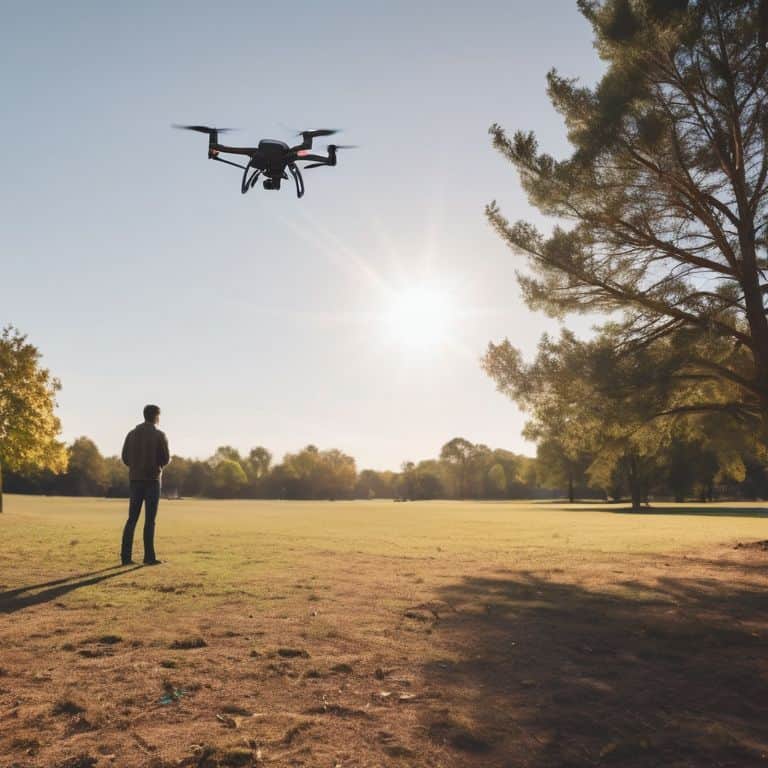
I still remember my first drone flight like it was yesterday – the rush of adrenaline as I lifted off, the thrill of navigating through obstacles, and the crushing disappointment when I crashed into a tree. It was a hard lesson, but one that taught me the importance of beginner drone flying tips. I wish someone had told me that it’s not just about the tech, but about understanding the basics of flight, from takeoff to landing. As a tech futurist, I’ve seen many enthusiasts struggle with the same issues, and that’s why I’m excited to share my knowledge with you.
In this article, I’ll cut through the hype and give you practical advice on how to get started with drone flying. You’ll learn how to choose the right drone, understand the regulations, and master the essential skills to become a confident pilot. I’ll share my personal experiences, from assembling my first drone to competing in aerial races, and provide you with actionable tips to help you avoid common mistakes. Whether you’re a tech enthusiast or just looking for a new hobby, this guide will give you the foundation you need to take to the skies and make the most of your drone flying experience.
Table of Contents
Guide Overview: What You'll Need
Total Time: 1 hour 15 minutes
Estimated Cost: $100 – $300
Difficulty Level: Easy
Tools Required
- Drone Controller (with battery and charger)
- Smartphone or Tablet (for drone app)
- Extra Drone Batteries (for extended flight time)
Supplies & Materials
- Drone (quadcopter or similar model)
- Propeller Guards (for safety and protection)
- Drone Landing Pad (with a diameter of 3 feet)
Step-by-Step Instructions
- 1. First, do this: read the manual. I know, I know, it sounds like a no-brainer, but trust me, it’s essential to understand the basics of your drone, from its flight modes to its safety features. Take some time to familiarize yourself with the controls, and don’t be afraid to ask for help if you’re unsure about something.
- 2. Next, find a safe and open space to fly your drone. Look for areas with minimal obstacles, such as trees or power lines, and avoid flying near airports or other restricted zones. I like to fly my drone in a large park or open field, where I can really let it soar and enjoy the thrill of the flight.
- 3. Now it’s time to check your drone’s battery life and make sure you have enough power to complete your flight. Most drones have a pretty short flight time, so be sure to plan your flight accordingly and keep an eye on your battery levels. You don’t want to be stuck with a dead drone in the middle of nowhere.
- 4. Before you take off, do a quick systems check to make sure everything is functioning properly. Check your propellers for any damage, and make sure your GPS system is online. This will help you navigate and ensure a safe and successful flight.
- 5. Once you’re ready to take off, start with a simple hover to get a feel for the drone’s controls. This will help you get used to the sensitivity of the sticks and make any necessary adjustments. Remember to stay calm and patient, and don’t be afraid to make mistakes – they’re all part of the learning process.
- 6. As you gain more confidence in your flying abilities, try practicing some basic maneuvers such as banking and turning. This will help you develop your skills and get a feel for how the drone responds to different inputs. Just remember to stay within your comfort zone and don’t push yourself too hard – it’s all about having fun and enjoying the experience.
- 7. Finally, when you’re finished flying, be sure to properly calibrate your drone and store it in a safe place. This will help maintain its optimal performance and ensure it’s ready for your next adventure. And don’t forget to review your flight footage – it’s a great way to relive the excitement and identify areas for improvement.
Beginner Drone Flying Tips
As I reflect on my own journey with drones, I realize that drone safety precautions are often overlooked, but they’re crucial for a fun and stress-free experience. One of the most important things to keep in mind is to always be aware of your surroundings, including other aircraft, people, and obstacles like trees or power lines. It’s also essential to understand your drone’s capabilities and limitations, including its range, speed, and battery life.
When it comes to choosing the right drone, there are several factors to consider, including your budget, skill level, and intended use. For example, if you’re a beginner, you may want to start with a smaller, more affordable drone that’s easier to handle and less expensive to replace if you crash it. On the other hand, if you’re looking to capture high-quality photos or videos, you may want to invest in a more advanced drone with better camera capabilities.
In addition to choosing the right drone, it’s also important to understand drone regulations in your area, including any restrictions on where and when you can fly. By taking the time to learn about these regulations and plan your flights accordingly, you can avoid common mistakes and ensure a safe and enjoyable experience. Drone flight planning tips can also help you get the most out of your flights, whether you’re looking to capture stunning aerial photos or simply enjoy the thrill of flying.
Choosing Drones Like a Futurist
When selecting a drone, I consider it an exciting fusion of retro tech nostalgia and futuristic innovation. As a futurist, I look for models that blend classic design elements with cutting-edge features like AI-powered navigation and high-resolution cameras. For beginners, I recommend opting for drones with beginner-friendly modes that offer stabilized flight and easy controls. This combination of old-school charm and new-school tech makes for an unforgettable flying experience.
Retro Tech Meets Drone Safety
As I glance at my vintage gadget collection, I’m reminded that even the most outdated tech can teach us a thing or two about safety. Just like my old-school Walkman, which had a clear warning label about removing batteries, our drones come with their own set of precautions. When flying, it’s essential to keep your drone in sight, avoid obstacles, and respect airspace regulations. I recall my first drone flight, where I got a bit too excited and lost sight of my device – thankfully, it was a minor scare, but it taught me a valuable lesson.
By combining retro tech wisdom with modern drone safety, we can create a more enjoyable and responsible flying experience. So, before you take to the skies, make sure to check your drone’s manual, just like I do with my trusty old gadgets. A little prep and caution can go a long way in ensuring a fun and safe flight.
Blast Off into the Future: 5 Retro-Futuristic Tips for Newbie Drone Pilots
- Start with a drone that’s as easy to handle as a vintage Atari controller – look for models with beginner modes and automatic stabilization
- Read the manual, but also watch some old-school flight sim videos to get a feel for the basics of aerodynamics and control
- Choose a safe flying spot with plenty of open space, like an old airfield or a deserted parking lot – just watch out for any retro-futuristic obstacles
- Practice your takeoffs and landings in a simulated environment, like a classic flight sim game, before trying them out in real life
- Keep your drone in sight at all times, just like you would with a beloved vintage model airplane – and don’t be afraid to get a little creative with your flying routes and maneuvers
Key Takeaways for Aspiring Drone Pilots
Always read the manual before your first flight to ensure a safe and enjoyable experience, just like I wish someone had told me when I started flying drones
Choose a drone that fits your skill level and interests, whether you’re a tech nostalgic like me or a futuristic thrill-seeker, to get the most out of your flying adventures
Remember that practice makes perfect, so don’t be discouraged if your early flights are a bit rocky – with time and patience, you’ll be soaring through the skies like a pro and exploring the endless possibilities of drone technology
Flying into the Future
As you take to the skies with your drone, remember that the thrill of discovery is just as important as the tech in your hands – it’s where the magic happens, and the future unfolds!
Lucas Thompson
Taking to the Skies with Confidence
As we wrap up our journey through the world of beginner drone flying tips, it’s essential to recall the key takeaways that will make your experience both enjoyable and safe. From understanding the importance of reading the manual to choosing the right drone for your needs, and from embracing retro tech meets drone safety to selecting drones like a futurist, each step is designed to empower you with the knowledge to soar into the skies with confidence. Remember, the evolution of technology is a continuous journey, and by combining a respect for the past with an eye on the future, you’ll find that your drone flying adventures are not just about the destination, but about the thrill of the flight itself.
As you prepare to launch your drone into the air for the first time, remember that the sky is no longer the limit. It’s just the beginning. With every flight, you’re not just capturing breathtaking views or mastering a new skill; you’re becoming part of a community that is pushing the boundaries of what is possible. So, go ahead, take a deep breath, and let your drone soar. The future of flight is in your hands, and with these beginner drone flying tips, you’re ready to embrace it with enthusiasm and curiosity.
Frequently Asked Questions
What are the most common mistakes to avoid when flying a drone for the first time?
When flying a drone for the first time, I’ve seen newcomers make some costly mistakes – like not calibrating the drone, ignoring weather conditions, or flying near airports. Trust me, I’ve been there! My top tip: always check the drone’s settings and surroundings before takeoff, and keep those vintage pilot instincts sharp!
How can I ensure I'm complying with local drone regulations and safety guidelines?
Before you take to the skies, make sure to check in with your local aviation authority for the lowdown on drone regulations – trust me, it’s better to be safe than sorry! I like to think of it as plotting a course through the regulatory airspace, and it’s easier than you think with the right resources and a bit of futurist flair.
What are some essential accessories or equipment I should invest in to enhance my beginner drone flying experience?
Dude, you’re gonna want some essentials to level up your drone game! I recommend investing in a good quality transmitter, extra batteries, and a solid carrying case. Trust me, it’s a total game-changer. Oh, and don’t forget a microSD card for those epic aerial shots – you won’t regret it!