By Joseph Goto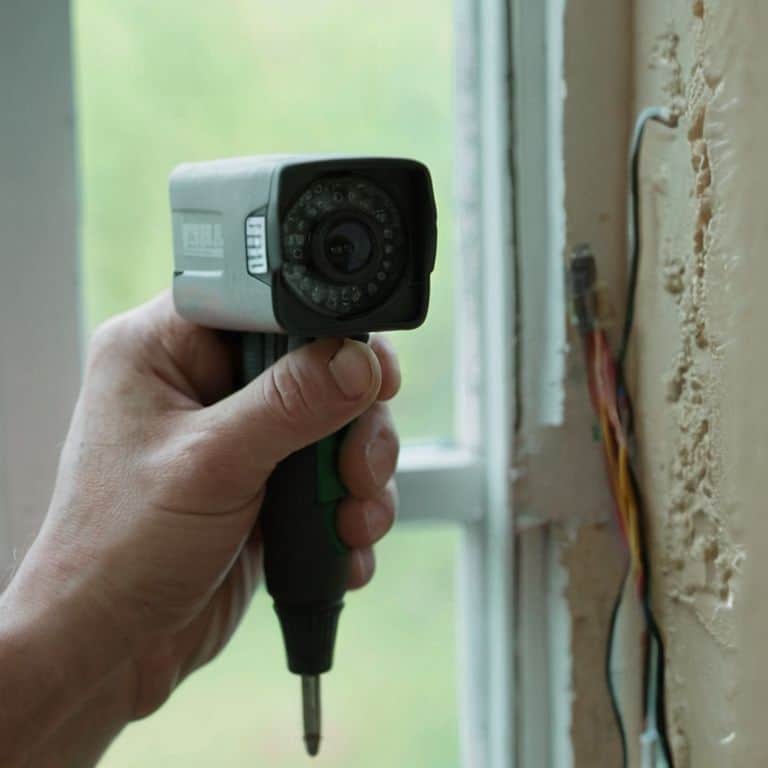
As I sit here, surrounded by the ticking of my upcycled vintage clocks, I’m reminded of the countless times I’ve heard people say that installing DIY security cameras is a daunting task, reserved for the tech-savvy. But I’m here to tell you that’s just not true. With a little creativity and some practical know-how, anyone can give their home a warm and welcoming sense of security. I still recall my grandmother’s words: “A good security system is like a gentle guardian, always watching over you.” And that’s exactly what I aim to help you achieve with this guide on installing DIY security cameras.
In this article, I promise to share my honest, no-frills advice on how to get started with installing DIY security cameras. You won’t find any fancy jargon or complicated instructions here. Instead, I’ll walk you through the process with the same patience and care that I use when crafting my unique timepieces. From choosing the right cameras to positioning them for optimal coverage, I’ll cover it all. By the end of this guide, you’ll be well on your way to creating a reliable and efficient security system that will give you peace of mind and make your home feel like a haven.
Table of Contents
- Guide Overview: What You'll Need
- Step-by-Step Instructions
- Installing Diy Security Cameras
- Tinkerer's Tips: 5 Whispers from the Workshop for Installing DIY Security Cameras
- Timeless Tips from the Workshop
- A Reflection on Security and Craftsmanship
- Closing Thoughts on DIY Security Cameras
- Frequently Asked Questions
Guide Overview: What You'll Need
Total Time: 2 hours 30 minutes
Estimated Cost: $100 – $300
Difficulty Level: Intermediate
Tools Required
- Drill (with screwdriver and drill bits)
- Level (to ensure proper camera alignment)
- Pliers (for tightening camera mounts)
- Screwdriver (for securing cameras to walls or ceilings)
- Wire cutters (for trimming excess wire)
- Ladder (for reaching high areas)
Supplies & Materials
- DIY security cameras (weather-resistant and night vision capable)
- Mounting brackets (for wall or ceiling installation)
- Power cables (of sufficient length to reach power outlets)
- Network cables (for connecting cameras to a network or router)
- Weatherproof seals (to protect cameras from the elements)
- 2 inches x 4 inches lumber (for creating custom mounts or supports)
Step-by-Step Instructions
- 1. First, let’s start by gathering all the necessary materials, including the DIY security cameras, power tools, and any additional hardware required for installation. I always find it helpful to lay out all my tools and components on a workbench, much like my grandmother used to do with her art supplies, to get a clear visual of what I’m working with.
- 2. Next, we need to choose the ideal locations for our security cameras. This involves considering the areas of our home or property that we want to monitor, such as entry points, corners, or areas with valuable items. I like to take a walk around the property, noting the best vantage points and thinking about how the cameras will fit into the overall aesthetic of our space.
- 3. Now, it’s time to plan the installation route for our cameras’ wiring. This step is crucial for a neat and professional-looking installation. I find it helpful to use a pencil to mark the path where the wires will run, making sure to avoid any obstacles or areas where the wiring might be damaged.
- 4. With our plan in place, we can begin drilling holes for the camera mounts. It’s essential to be precise here, using a level to ensure the cameras will be straight and securely fastened. I always take my time with this step, remembering my father’s advice to “measure twice, drill once” to avoid any mistakes.
- 5. After drilling the holes, we can mount the security cameras. This involves screwing the camera bases into place and then attaching the cameras themselves. I like to double-check that each camera is firmly secured and adjusted to the desired angle, providing the best possible view of the area it’s monitoring.
- 6. The next step is to connect the cameras to their power source and begin routing the wires according to our plan. It’s crucial to follow all safety precautions when working with electricity and to ensure that all connections are secure to prevent any issues. I find it useful to use cable ties or clips to keep the wires organized and out of sight.
- 7. Once the cameras are powered and the wiring is in place, we can configure the camera settings. This includes setting up the camera’s Wi-Fi connection, adjusting motion detection sensitivity, and configuring any alert notifications. I recommend taking some time to explore all the features of your security camera system to customize it to your needs and preferences.
- 8. Finally, test the security cameras to ensure they are working as expected. This involves checking the video feed, testing motion detection, and verifying that notifications are being sent correctly. It’s also a good idea to do a walk-through, checking that all areas are covered and that the cameras are providing a clear view of the property.
Installing Diy Security Cameras
As I sit here, surrounded by the gentle ticking of my upcycled vintage clocks, I’m reminded of the importance of security camera wiring basics in ensuring a seamless DIY home surveillance setup. It’s a detail that can easily be overlooked, but one that can make all the difference in the effectiveness of your system. When it comes to wireless camera installation tips, I always recommend taking the time to plan out your camera placement carefully, considering factors such as power sources, weather resistance, and potential blind spots.
In my experience, outdoor security camera placement requires a bit more consideration than indoor cameras, as they need to be able to withstand the elements while still providing a clear view of the area. I’ve found that motion detection camera installation can be a game-changer for outdoor cameras, as it allows them to capture footage only when motion is detected, reducing unnecessary recordings and making it easier to review footage. By taking the time to carefully consider these factors, you can create a DIY security camera system that is both effective and efficient.
As you work on your DIY home surveillance setup, don’t be afraid to get creative and think outside the box. Consider repurposing old materials, like I do with my vintage clocks, to create unique and functional camera housings or mounts. With a little patience and imagination, you can create a best DIY security camera system that not only provides peace of mind but also adds a touch of personality to your home.
Vintage Vibes Meet Motion Detection Mastery
As I sit amidst my collection of vintage clocks, I’m reminded of the harmony between old and new. When it comes to motion detection, I believe that blending classic aesthetics with modern technology can create a truly unique security system. By incorporating vintage elements, such as distressed wood or antique metal, into your DIY security camera setup, you can add a touch of warmth and character to an otherwise sleek and modern device. This fusion of styles not only adds visual interest but also tells a story of innovation and resourcefulness.
With motion detection mastery, you can ensure that your security system is both effective and efficient. By carefully calibrating your cameras to detect even the slightest movements, you can rest assured that your home is protected and your mind is at ease. As I always say, “a good security system is like a warm welcome home” – it’s all about feeling safe and cozy, and with vintage vibes meeting motion detection mastery, you can achieve just that.
Whispers From the Workshop Wireless Wonders
As I sit amidst the gentle whir of my upcycled clock creations, I ponder the harmony of old and new in DIY security cameras. The wireless wonders of today’s technology have made it easier to weave a safety net around our homes without the clutter of cables. I recall my grandmother’s words, “A good home is like a well-kept timepiece, each part working in tandem for a sense of security and peace.” This philosophy guides my approach to installing wireless security cameras, ensuring each component, whether old or new, contributes to a cohesive whole.
With a stroke of my vintage fountain pen, I begin designing the layout, considering the unique character of each camera and the story it tells. Whether mounted under the eaves or nestled among the garden greens, each camera becomes a guardian, silently watching over the home and its inhabitants, blending the lines between past and present, security and art.
Tinkerer's Tips: 5 Whispers from the Workshop for Installing DIY Security Cameras
- Start with a story, not a manual – consider the narrative of your space and how security cameras can become a character in that tale, blending functionality with the aesthetic of your home
- Choose cameras that whisper to you, not shout – opt for devices with a vintage vibe or upcycled materials to add a touch of nostalgia and uniqueness to your security setup
- Motion detection is not just about movement, it’s about moments – adjust your camera’s sensitivity to capture life’s precious instants, from children’s first steps to unexpected wildlife visitors
- Placement is poetry – position your cameras to frame the story of your home, capturing entrances, exits, and the spaces in between, much like a cinematographer frames a shot
- Test and tweak, for the tale is in the details – ensure your cameras are synced, the footage is clear, and the story they tell is one of safety, security, and the beauty of everyday moments
Timeless Tips from the Workshop
I’ve found that blending vintage aesthetics with modern security technology can create a unique and effective DIY security camera system that not only safeguards your home but also tells a story of innovation and nostalgia
By choosing the right materials and designs, such as upcycling old clock parts or repurposing antique items, you can create security cameras that are both functional and conversation pieces, reflecting your personal style and creativity
Remember, the art of DIY security camera installation is not just about securing your space, but also about crafting a narrative of transformation and vigilance, where every detail, from the sketch of an idea with a vintage fountain pen to the final installation, contributes to a sense of safety, beauty, and connection to the past
A Reflection on Security and Craftsmanship
As I see it, installing DIY security cameras is not just about safeguarding our homes, but about weaving a narrative of vigilance and care, where every wire and every lens tells a story of our desire for safety and our penchant for innovation.
Joseph Goto
Closing Thoughts on DIY Security Cameras
As I reflect on our journey through installing DIY security cameras, I’m reminded of the importance of blending technology with a personal touch. We’ve covered the essential steps, from choosing the right camera to mastering motion detection, and even explored how vintage vibes can meet modern security needs. The key takeaway is that security is not just about technology; it’s about creating a sense of belonging and safety in our homes. By taking a hands-on approach to security, we not only protect our belongings but also weave a narrative of care and vigilance around our living spaces.
As we conclude, I want to leave you with a final thought: the true beauty of DIY lies not just in the act of creation, but in the stories we tell through our creations. Every security camera installed, every wire carefully placed, tells a story of effort, of love, and of the human desire to protect and preserve. So, as you embark on your own DIY security camera installation, remember that you’re not just securing your home; you’re writing a chapter in the story of your life, one that speaks of resilience, creativity, and the unbreakable bond between our past and our future.
Frequently Asked Questions
What are the most common mistakes to avoid when installing DIY security cameras for optimal coverage and minimal blind spots?
You know, I’ve seen folks overlook simple things like obstructed views or inadequate lighting, leading to pesky blind spots – my grandmother used to say, “A good view is like a good story, it needs clarity and attention to detail.
How can I ensure that my DIY security cameras are weather-resistant and durable enough to withstand various environmental conditions?
To shield my DIY security cameras from the elements, I swear by a combination of rustic ingenuity and modern materials. A weather-resistant housing, sealed with a trusty silicone sealant, works wonders. I also love repurposing vintage clock casings – their robust designs are perfect for withstanding nature’s whims.
Are there any specific DIY security camera models or brands that are known for their ease of installation and user-friendly interface for beginners?
I’m rather fond of the Blink and Arlo models, their wireless designs and intuitive apps make them perfect for beginners. My grandmother used to say, “Ease of use is the best feature,” and I think these brands embody that spirit, allowing anyone to set up a reliable security system with minimal fuss.