By Joseph Goto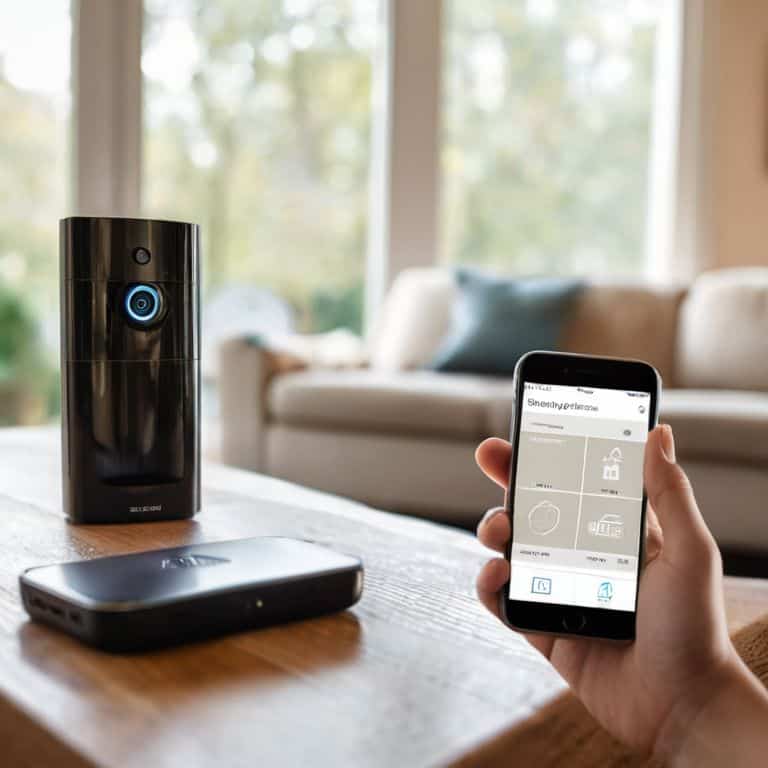
As I sit amidst the eclectic chaos of my workshop, surrounded by the gentle tick-tock of upcycled clocks and the faint scent of wood polish, I often find myself pondering the misconceptions about DIY home security kits. Many believe that creating your own security systems is a daunting task, reserved for the tech-savvy or the excessively handy. However, I’ve discovered that with a little creativity and the right guidance, anyone can craft their own unique security solutions from forgotten relics, giving new life to old stories.
In this article, I promise to share my personal approach to designing and building DIY home security kits, focusing on practical advice and real-world applications. You’ll learn how to transform vintage items into functional security components, weaving together a narrative of transformation and nostalgia. From repurposing old locks to crafting innovative alarm systems, I’ll guide you through the process of creating your own DIY home security kits, helping you turn yesterday’s discarded treasures into today’s safest havens.
Table of Contents
- Guide Overview: What You'll Need
- Step-by-Step Instructions
- Reviving Security With Diy Home Kits
- Timeless Tweaks: 5 Essential Tips for Crafting Your DIY Home Security Kit
- Timeless Security: 3 Key Takeaways
- Security Through Storytelling
- Embracing the Art of DIY Home Security
- Frequently Asked Questions
Guide Overview: What You'll Need
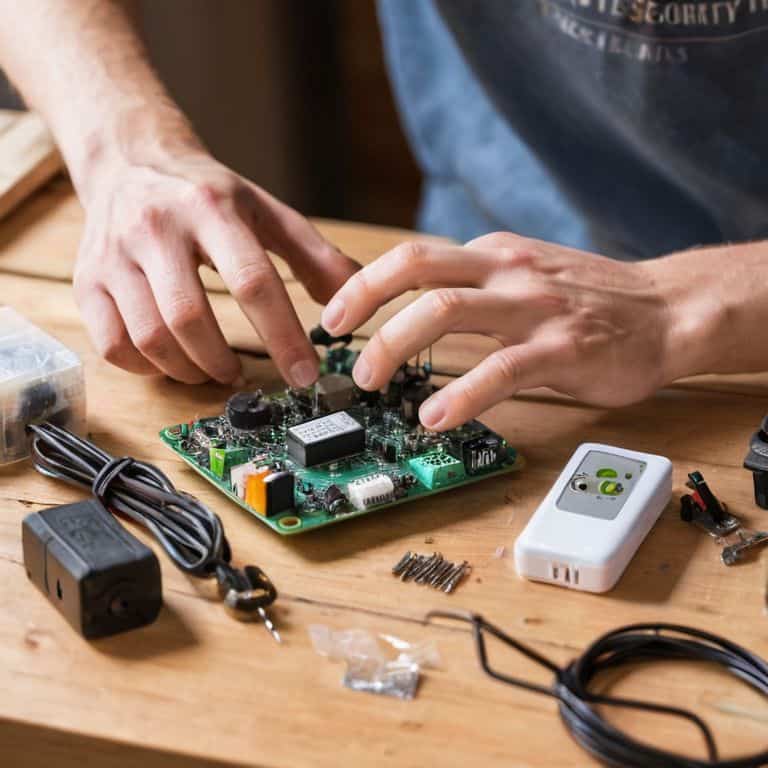
Total Time: 2 hours 30 minutes
Estimated Cost: $50 – $100
Difficulty Level: Intermediate
Tools Required
- Drill (with screwdriver and drill bits)
- Wire cutters
- Pliers
- Screwdriver set (flathead and Phillips)
- Level (to ensure proper camera installation)
- Measuring tape (for accurate placement of devices)
Supplies & Materials
- Security cameras (wireless or wired)
- Motion sensors (battery-powered or wired)
- Door and window sensors (magnetic or mechanical)
- Alarm system hub (central unit for monitoring and control)
- Power strip (for powering devices)
- Ethernet cables (for connecting wired devices)
- Mounting hardware (screws, brackets, etc. for camera and sensor installation)
- 6 inches of 18-gauge wire (for connecting devices)
Step-by-Step Instructions
- 1. To begin crafting our unique DIY home security kit, I start by gathering materials that not only serve their purpose but also tell a story. This includes old doors, windows, and any other salvageable items from my family’s hardware store that can be repurposed into security features. I find that using a vintage approach to security adds a layer of character to any home.
- 2. Next, I move on to designing the layout of my security kit. This involves sketching out ideas with my trusty vintage fountain pen, considering the space where the kit will be installed, and thinking about how each component will work together to provide comprehensive security. It’s a moment where imagination meets functionality.
- 3. With my design in hand, I proceed to upcycle old locks and other security devices. This might involve restoring an antique lock to its former glory or combining parts from different eras to create something entirely new and whimsically effective. The goal is to ensure that each piece not only contributes to the security of the home but also adds to its narrative.
- 4. The fourth step is to integrate smart technology into my DIY kit. By incorporating small, modern devices like motion sensors and cameras into my vintage security features, I can create a system that is both technologically advanced and visually appealing. This blend of old and new is what makes my DIY home security kits truly unique.
- 5. Now, it’s time to assemble the kit. This involves carefully placing each upcycled and integrated component into the design I’ve created, ensuring that every piece works harmoniously with the others to provide a robust security system. I take my time, paying homage to the craftsmanship of the past while embracing the efficiencies of the present.
- 6. After assembling the kit, I conduct a series of tests to ensure that every component is working as intended. This quality control phase is crucial, as it allows me to identify any areas that may need improvement or adjustment. Whether it’s the sensitivity of the motion sensors or the reliability of the vintage locks, everything must be meticulously tuned for optimal performance.
- 7. Finally, I install the DIY home security kit in the chosen location. This is the moment when all my planning, designing, and crafting come together. I take pride in knowing that the kit not only enhances the security of the home but also weaves a story of transformation, turning discarded relics into guardians of safety and peace of mind. With the kit in place, I step back to admire my handiwork, feeling a sense of fulfillment and nostalgia for the journey that brought this unique security system to life.
Reviving Security With Diy Home Kits

As I delve into the world of wireless home security systems, I’m reminded of the countless hours I spent in my family’s hardware store, watching customers seek innovative solutions for their homes. One of the most significant advantages of opting for a DIY approach is the ability to create budget friendly security solutions that don’t compromise on quality. By repurposing vintage items and leveraging modern technology, individuals can craft unique security measures that not only protect their homes but also tell a story of resourcefulness.
When it comes to security kit for renters, it’s essential to consider the limitations and constraints that come with rented spaces. In such cases, opting for smart home security devices that are easy to install and remove can be a game-changer. These devices can provide an added layer of security without causing any permanent damage to the property. As someone who’s passionate about giving old objects new life, I appreciate the potential for diy security camera installation to breathe new life into discarded materials.
In my experience, the key to successful DIY security projects lies in the ability to think creatively and push beyond conventional boundaries. By embracing this mindset, individuals can transform their homes into safe havens that are both secure and aesthetically pleasing. Whether it’s upcycling vintage clocks or repurposing old furniture, the possibilities are endless, and the sense of accomplishment is unparalleled.
Unlocking Budget Friendly Smart Solutions
As I delve into the world of DIY home security, I’m reminded of my grandmother’s thriftiness and creativity. She’d often say, “The best solutions are hidden in plain sight, and usually, they’re free or cheap.” With that mindset, I’ve found that repurposing old devices, like vintage walkie-talkies or discarded smartphones, can become the backbone of a budget-friendly smart security system. By upcycling these items, I’ve managed to create a network of wireless wonders that not only secure my home but also tell a story of resourcefulness.
I’ve discovered that old tablets can be transformed into motion-sensitive cameras, and vintage doorbells can be rewired to send alerts to my phone. These unconventional solutions not only save money but also add a touch of nostalgia to my security setup. By embracing the past and merging it with modern technology, I’ve created a unique and effective DIY home security system that’s both smart and budget-friendly.
Weaving Wireless Wonders Into Home Security
As I delve into the world of DIY home security, I find myself enchanted by the potential of wireless wonders. With a dash of creativity, vintage radio components can be repurposed into motion sensors, while old cameras can be transformed into smart security eyes. I recall my grandmother’s words, “The past is not just a memory, but a palette of possibilities.” By merging the old with the new, I’ve created a unique security system that not only protects my home but also tells a story of innovation and resourcefulness.
With my trusty vintage fountain pen, I sketch out designs that blend the elegance of yesterday’s technology with today’s cutting-edge functionality. The result is a DIY home security kit that is both a tribute to the past and a beacon of modern security. As I tinker, I feel a sense of pride and connection to the craftsmen of old, who would have never imagined their creations being reborn in such a way.
Timeless Tweaks: 5 Essential Tips for Crafting Your DIY Home Security Kit
- Sketch Your Security Story: Before diving into the nitty-gritty of DIY home security kits, take a moment to envision the narrative you want your security system to tell. What vintage items can you repurpose to create a unique security solution?
- Rethink, Reuse, Revive: Look beyond conventional materials and consider upcycling old items like door hinges, gears from vintage clocks, or even antique door knockers to add a layer of storytelling to your security measures
- Wireless Wizardry on a Budget: Don’t break the bank when enhancing your DIY home security kit with smart features. Shop for affordable, second-hand smart devices or explore open-source software solutions to integrate into your system
- Blend the Old with the New: Seamlessly merge traditional security methods with modern technology. For instance, combine a vintage safe with a digital lock or incorporate motion-sensitive LED lights made from repurposed materials into your design
- Test, Tinker, Tell: Once your DIY home security kit is operational, don’t be afraid to test its limits, make adjustments, and share your story. The true beauty of DIY lies not just in the functionality, but in the journey of creation and the tales it tells
Timeless Security: 3 Key Takeaways
Embracing the past to secure the future: By repurposing vintage items into DIY home security kits, we not only reduce waste but also infuse our homes with a unique blend of nostalgia and innovation.
Wireless wonders on a budget: Unlocking the potential of forgotten materials and combining them with smart, budget-friendly solutions can lead to the creation of sophisticated home security systems that rival their modern counterparts.
Storytelling through security: Each DIY project is an opportunity to weave a narrative of transformation, turning relics of yesterday into the safe havens of today, and inspiring others to see the beauty in giving old materials new life.
Security Through Storytelling
By embracing DIY home security kits, we not only safeguard our homes but also weave a narrative of resourcefulness and ingenuity, transforming forgotten relics into guardians of our sanctuary.
Joseph Goto
Embracing the Art of DIY Home Security
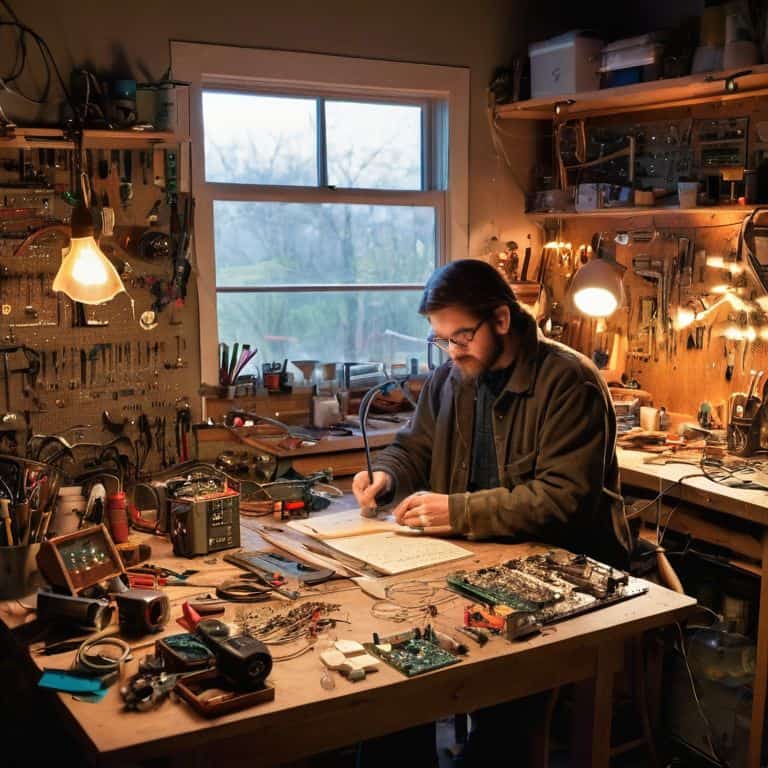
As I reflect on our journey through the world of DIY home security kits, it’s clear that the true beauty lies not just in the end result, but in the process of creation itself. From repurposing vintage items to weaving wireless wonders into our security systems, each step is a testament to the power of human ingenuity and the desire for a safer, more personalized living space. By embracing the DIY ethos, we not only save on costs but also unlock a sense of fulfillment that comes from crafting something with our own hands.
As we conclude this exploration of DIY home security, I hope you’re inspired to see the potential in the forgotten and to embrace the art of transformation. Remember, every old lock, every discarded wire, holds a story waiting to be told and a purpose waiting to be fulfilled. So, let’s continue to tinker, to create, and to inspire one another to turn yesterday’s relics into today’s safest, most extraordinary havens.
Frequently Asked Questions
What are some creative ways to repurpose vintage items into functional components of a DIY home security kit?
I love repurposing vintage items into security components. Old door knobs can become clever hiding spots for spare keys, while vintage cameras can be converted into dummy security cameras to deter intruders. Even antique clocks can be upcycled into motion-activated alarm systems, blending nostalgia with modern security needs.
How can I ensure that my DIY home security kit is compatible with smart home devices and systems?
To ensure compatibility, I consider the smart home ecosystem I’m working with, then choose DIY security components that speak the same language, so to speak. I’ve found that upcycling old clock radios into smart hubs can be a clever way to bridge the gap, allowing seamless integration with various devices and systems, all while infusing a touch of nostalgia into my home’s security network.
What are the most common mistakes to avoid when installing and maintaining a DIY home security kit to guarantee its effectiveness?
As I’ve learned from my own trials and errors, common mistakes to avoid include improper sensor placement, insufficient battery maintenance, and neglecting software updates – all of which can leave your home vulnerable to breaches, much like a vintage clock with rusty gears, beautiful but dysfunctional.