By Lucas Thompson
I still remember the first time I saw a self-driving car whizz by in Silicon Valley – it was like something out of a sci-fi movie, and now I’m excited to explore how autonomous driving is revolutionizing the way we get around, one innovation at a time. The future of transportation is no longer just a concept, but a tangible reality that’s being tested and refined on our roads every day. As someone who’s grown up surrounded by the tech industry, I’ve had a front-row seat to watch the development of autonomous driving technology, and I have to say, it’s been a wild ride.
As we dive into the world of autonomous driving, I want to make a promise to you: I’ll cut through the hype and give you the no-nonsense truth about what’s working and what’s not. I’ll share my own experiences, lessons learned, and insights from the industry to help you understand the real potential of autonomous driving and how it can impact your daily life. My goal is to empower you with knowledge, not overwhelm you with jargon or technical specs. So, buckle up and let’s explore the exciting world of autonomous driving together, with a healthy dose of skepticism and a passion for innovation.
Table of Contents
- Revving Up Autonomous Driving
- The Future of Roads Autonomous Driving
- Shifting Gears: 5 Key Tips to Navigate the Autonomous Driving Revolution
- Key Takeaways: Navigating the Autonomous Driving Revolution
- Embracing the Autonomous Revolution
- Embracing the Autonomous Revolution
- Frequently Asked Questions
Revving Up Autonomous Driving
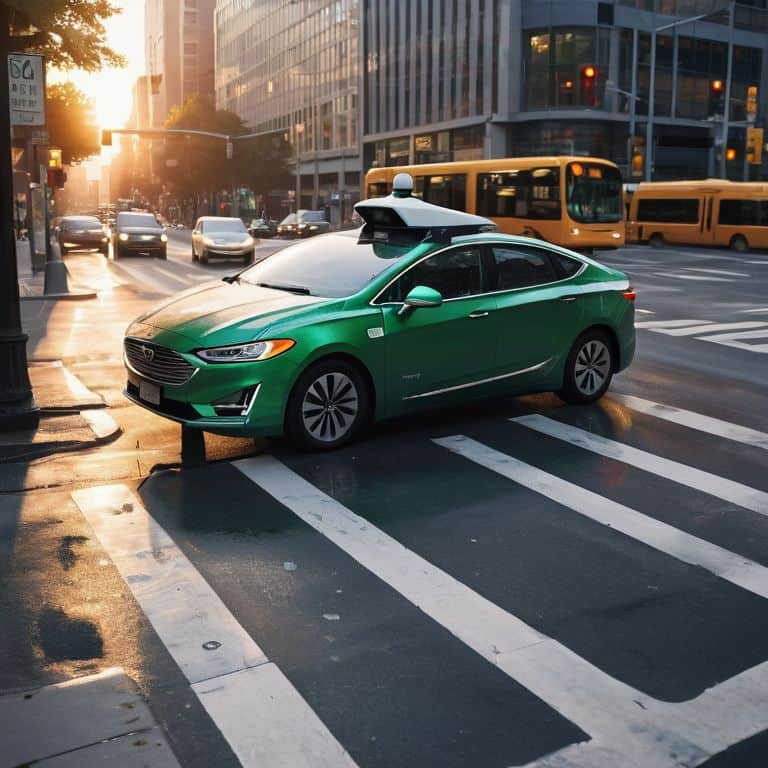
As I delve into the world of autonomous vehicles, I’m excited to explore the vehicle to everything communication systems that enable these cars to navigate through complex environments. This technology allows cars to communicate with other vehicles, infrastructure, and even pedestrians, creating a safer and more efficient transportation system. I’ve had the chance to witness this technology in action, and it’s fascinating to see how it’s revolutionizing the way we think about transportation.
One of the key components of autonomous vehicles is the lidar sensor technology, which enables cars to create high-resolution maps of their surroundings. This technology is crucial for detecting and responding to obstacles, and it’s amazing to see how it’s being used to improve autonomous vehicle safety features. As I’ve learned more about this technology, I’ve become increasingly impressed by its potential to reduce accidents and save lives.
As we look to the future, it’s clear that autonomous vehicles will play a major role in shaping the evolution of driver assistance systems. With the help of artificial intelligence in traffic management, we can expect to see more efficient traffic flow and reduced congestion. It’s an exciting time for the transportation industry, and I’m eager to see how these technologies will continue to develop and improve our daily lives.
Evolution of Driver Assistance Systems
As I reflect on the journey of autonomous driving, I’m reminded of the significant role that driver assistance systems have played in paving the way. These systems, which began as simple features like cruise control and anti-lock braking, have evolved to include more sophisticated technologies such as lane departure warning and blind spot detection.
The integration of AI into these systems has been a game-changer, enabling vehicles to learn from their environments and make decisions in real-time. This has led to the development of more advanced features like adaptive cruise control and automatic emergency braking, which are now becoming standard in many new vehicles.
Lidar Sensors the Eyes of Tomorrow
As I delve into the world of autonomous driving, I’m fascinated by the role of Lidar sensors in enabling self-driving cars to navigate through complex environments. These sensors use laser light to create high-resolution 3D maps of their surroundings, allowing the vehicle to detect and respond to obstacles with precision.
The accuracy of Lidar sensors is unparalleled, making them a crucial component of autonomous vehicles. By providing a 360-degree view of the environment, Lidar sensors enable self-driving cars to make informed decisions and adjust their trajectory accordingly, ensuring a safe and smooth ride for passengers.
The Future of Roads Autonomous Driving
As I reflect on the advancements in vehicle to everything communication, I’m excited to see how it’s transforming the way we travel. The integration of _lidar sensor technology_ has been a game-changer, enabling vehicles to perceive their surroundings with unprecedented accuracy. This technology is paving the way for a future where roads are safer and more efficient.
The _evolution of driver assistance systems_ has also played a significant role in shaping the future of transportation. By leveraging artificial intelligence in traffic management, we can optimize traffic flow, reduce congestion, and minimize the risk of accidents. It’s fascinating to see how these innovations are converging to create a more streamlined and secure driving experience.
As we look to the future, it’s clear that _connected car infrastructure_ will be crucial in supporting the widespread adoption of autonomous vehicles. By investing in this infrastructure, we can unlock the full potential of autonomous vehicle safety features and create a more seamless, integrated transportation network. With the rapid progress being made in this field, I’m eager to see how these advancements will continue to revolutionize the way we travel.
Ai in Traffic Management Smarter Roads Ahead
As I delve into the world of autonomous driving, I’m excited to explore how artificial intelligence is transforming traffic management. With the ability to analyze real-time data, AI can optimize traffic signal timing, reducing congestion and decreasing travel times. This synergy between technology and infrastructure is a game-changer for urban planning.
The implementation of AI in traffic management is paving the way for smarter roads, where data-driven insights enable proactive decision-making. By analyzing traffic patterns and predicting potential bottlenecks, AI can help traffic managers allocate resources more efficiently, creating a more streamlined and efficient transportation system.
Vehicle to Everything Communication Unleashed
As I delve into the world of autonomous driving, I’m excited to explore how Vehicle to Everything (V2X) communication is transforming the way cars interact with their surroundings. This technology enables vehicles to share and receive information with other vehicles, infrastructure, and even pedestrians, creating a safer and more efficient driving experience.
The potential of V2X communication is vast, and I believe seamless connectivity is the key to unlocking its full potential. By enabling cars to communicate with each other and their environment in real-time, we can significantly reduce the risk of accidents and improve traffic flow, making our roads safer and more enjoyable for everyone.
Shifting Gears: 5 Key Tips to Navigate the Autonomous Driving Revolution
- Stay Informed: Keep up with the latest developments in autonomous driving technology to understand its potential and limitations
- Understand the Levels: Familiarize yourself with the different levels of autonomous driving, from semi-autonomous to fully autonomous vehicles, to grasp the gradations of innovation
- Embrace the Safety Benefits: Recognize the significant safety advantages of autonomous vehicles, including reduced accidents and enhanced emergency response systems
- Prepare for Infrastructure Changes: Anticipate and adapt to the evolving infrastructure needs of autonomous driving, such as dedicated lanes and advanced traffic management systems
- Focus on the Human Factor: Consider the social and psychological impacts of autonomous driving on human behavior, including job displacement, privacy concerns, and the need for public education
Key Takeaways: Navigating the Autonomous Driving Revolution
I’ve seen firsthand how autonomous vehicles are transforming the transportation landscape, from the early days of testing in Silicon Valley to the current widespread adoption, and it’s clear that this tech is here to stay
Advancements in lidar sensors and AI-powered traffic management are crucial for the development of safe and efficient autonomous driving systems, making our roads smarter and reducing congestion
As we look to the future, the integration of vehicle-to-everything communication and the evolution of driver assistance systems will play a vital role in shaping the autonomous driving experience, and I’m excited to see how these innovations will continue to revolutionize the way we travel
Embracing the Autonomous Revolution
As we accelerate into the era of autonomous driving, remember that the future of transportation is not just about the tech – it’s about the people, the places, and the possibilities that become accessible when human innovation meets artificial intelligence.
Lucas Thompson
Embracing the Autonomous Revolution
As we’ve explored the world of autonomous driving, from Lidar sensors to the evolution of driver assistance systems, and from vehicle to everything communication to AI in traffic management, it’s clear that this technology is not just about cars – it’s about reimagining our daily lives. We’ve seen how autonomous vehicles can revolutionize the way we get around, making our roads safer and more efficient. With the potential to significantly reduce accidents and decrease traffic congestion, the benefits of autonomous driving are undeniable. As someone who’s passionate about demystifying technology, I’m excited to see how this innovation will continue to unfold and improve our daily commute.
As we look to the future, it’s essential to remember that autonomous driving is not just a technological advancement – it’s a catalyst for change. It has the potential to unlock new opportunities for people with disabilities, reduce our carbon footprint, and create more sustainable communities. As we embark on this journey, let’s keep in mind that the true power of autonomous driving lies not just in the technology itself, but in the endless possibilities it brings to our doorstep. By embracing this revolution, we can create a better, more connected world – one that’s driven by innovation, powered by imagination, and inspired by the thrill of the unknown.
Frequently Asked Questions
How will autonomous vehicles handle complex road situations like construction zones or unexpected pedestrian traffic?
That’s a great question – I’ve seen autonomous vehicles navigate complex scenarios like construction zones or unexpected pedestrians through advanced mapping and real-time data updates, allowing them to adapt and respond safely, it’s truly fascinating to witness the future of driving unfold.
What kind of cybersecurity measures will be implemented to prevent hacking and ensure the safety of autonomous vehicles?
As a tech futurist, I’m excited to share that autonomous vehicles will utilize advanced cybersecurity measures like encryption, secure boot mechanisms, and intrusion detection systems to prevent hacking and ensure safety, giving us a secure ride into the future.
Will the widespread adoption of autonomous driving lead to job losses for professional drivers, and if so, how will society adapt to this change?
As autonomous vehicles hit the roads, it’s inevitable that some driving jobs will be impacted. However, I believe this shift will also create new opportunities in fields like AI development, vehicle maintenance, and transportation management, requiring professionals to adapt and acquire new skills to thrive in this evolving landscape.