By Judith Pinkerton
As I sat in my backyard, watching my friend’s kids eagerly learn drone flying skills for beginners, I realized that the common myth about drone flying being overly complicated is far from the truth. In fact, with the right guidance, anyone can master the basics of drone flying and unlock a world of creative possibilities. I’ve seen it time and time again – people from all walks of life coming together to share their passion for drone flying, and it’s a truly magical experience. Whether you’re a thrill-seeker, a photography enthusiast, or simply someone who loves technology, drone flying has something to offer.
In this article, I promise to provide you with honest and practical advice on how to get started with drone flying skills for beginners. We’ll cover the essentials, from choosing the right drone to mastering basic flight maneuvers, and I’ll share some of my own personal tips and tricks to help you take to the skies with confidence. By the end of this guide, you’ll be well on your way to becoming a skilled drone pilot, and who knows, you might just discover a new hobby that brings you endless joy and excitement. So, let’s get started on this adventure together, and may the thrill of drone flying inspire you to reach new heights!
Table of Contents
- Guide Overview: What You'll Need
- Step-by-Step Instructions
- Mastering Drone Flying Skills
- Lifting Off with Confidence: 5 Essential Tips for Beginner Drone Enthusiasts
- Taking Flight: 3 Key Takeaways for Beginner Drone Enthusiasts
- Taking to the Skies with Wonder
- Taking Flight: A New Chapter Unfolds
- Frequently Asked Questions
Guide Overview: What You'll Need
Total Time: 1 hour 30 minutes
Estimated Cost: $50 – $100
Difficulty Level: Easy
Tools Required
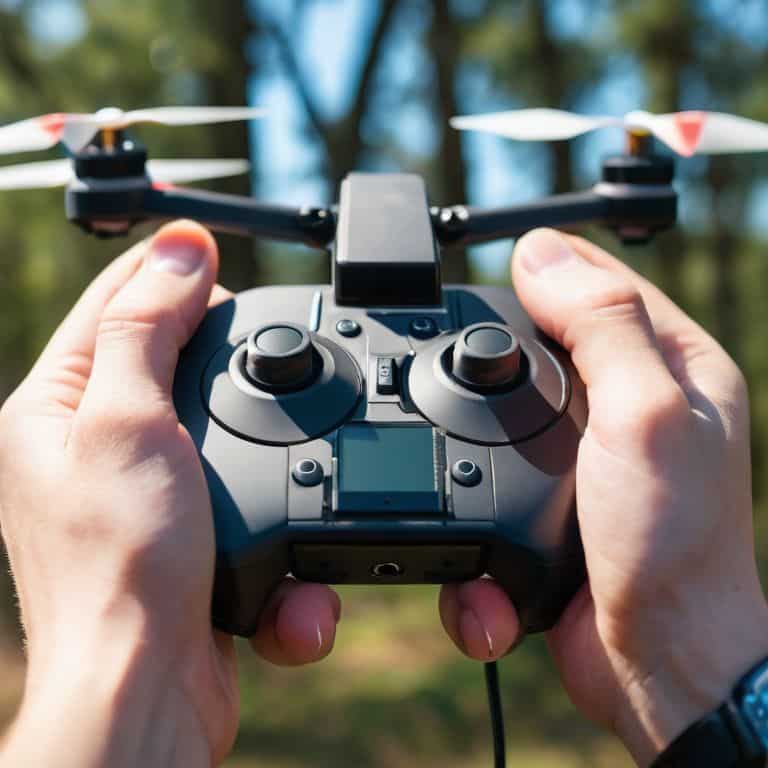
- Drone (with controller and battery)
- Open Space (e.g., park or field)
- Spare Propellers (in case of accidents)
Supplies & Materials
- Drone Manual (for specific model instructions)
- First Aid Kit (just in case)
- 6 inches by 6 inches Landing Pad (for safe takeoff and landing)
Step-by-Step Instructions
- 1. First, let’s start with the basics: understanding your drone. Before you even think about taking to the skies, it’s essential to familiarize yourself with your drone’s components, such as the remote control, propellers, and camera. Take some time to read the manual, and don’t be afraid to ask for help if you’re unsure about anything. I like to create a pre-flight checklist to ensure I don’t miss any crucial steps.
- 2. Next, find a safe and open space to practice your drone flying skills. Look for a large, empty field or park with minimal obstacles and no overhead wires. It’s also a good idea to check the weather forecast beforehand and avoid flying in strong winds or heavy rain. As a beginner, it’s crucial to start in a controlled environment to get a feel for how your drone handles.
- 3. Now it’s time to calibrate your drone. This step is often overlooked, but it’s crucial for ensuring your drone flies smoothly and accurately. Follow the manufacturer’s instructions to calibrate the drone’s compass, gyroscope, and accelerometer. Don’t worry if it seems complicated – it’s a straightforward process that will make a big difference in your flying experience. I like to think of it as tuning a musical instrument before a performance.
- 4. With your drone calibrated, it’s time to take it for a spin. Start by practicing basic movements, such as hovering, moving forward and backward, and turning. Get a feel for how your drone responds to the remote control, and don’t be afraid to make mistakes. Remember, the key to improving is repetition, so keep practicing until you feel comfortable with the basics.
- 5. As you gain more confidence in your flying skills, it’s time to try more complex maneuvers, such as banking, climbing, and descending. Start with small, gradual movements and gradually increase the intensity as you become more comfortable. Don’t forget to keep an eye on your drone’s battery level and adjust your flying style accordingly.
- 6. One of the most exciting aspects of drone flying is capturing stunning aerial footage. To do this, you’ll need to understand the basics of camera settings, such as exposure, aperture, and shutter speed. Experiment with different settings to find what works best for your drone and the type of footage you want to capture. I like to think of it as composing a piece of music, where every element comes together to create something beautiful.
- 7. Finally, stay safe and responsible while flying your drone. Always follow local regulations, respect other people’s privacy, and keep your drone in sight at all times. It’s also a good idea to invest in a drone insurance policy to protect yourself and others in case of an accident. By following these simple steps and being mindful of your surroundings, you can enjoy the thrill of drone flying while minimizing the risks.
Mastering Drone Flying Skills
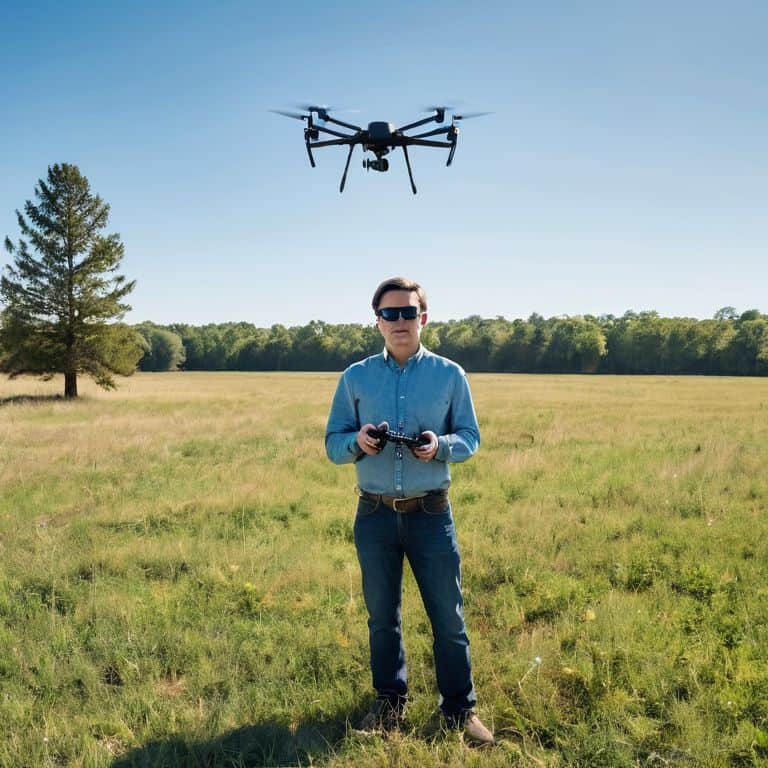
As I delve into the world of drone flying, I’m reminded of the importance of drone safety precautions. It’s essential to understand the basics of drone flight modes, including GPS mode, altitude mode, and attitude mode. By grasping these concepts, beginners can better navigate their drones and avoid common mistakes. I’ve found that understanding drone flight modes is crucial in preventing accidents and ensuring a smooth flying experience.
When it comes to calibrating a drone, it’s vital to follow the manufacturer’s instructions carefully. Tips for calibrating a drone include ensuring the drone is placed on a level surface and avoiding calibration near metal objects. By taking the time to properly calibrate your drone, you’ll be able to enjoy a more stable and responsive flight. Additionally, being mindful of drone flying etiquette rules is essential in maintaining a positive and respectful flying community.
As a beginner, it’s also important to be aware of common mistakes in drone flying, such as flying too high or too close to obstacles. By being aware of these potential pitfalls, you can take steps to avoid them and ensure a safe and enjoyable flying experience. Regular drone maintenance is also crucial in preventing technical issues and ensuring your drone remains in good working condition.
Calibrating for Perfect Flight Modes
As I delve into the world of drone flying, I find myself drawn to the concept of calibrating for perfect flight modes. It’s a bit like fine-tuning the soundtrack to my favorite novel – every note, every beat, must be perfectly in sync to create a truly immersive experience. For drones, this means ensuring that the aircraft is properly configured to respond to my commands, whether I’m soaring through open skies or navigating intricate obstacle courses. By taking the time to calibrate my drone, I can unlock a more precise and responsive flight experience, one that’s tailored to my unique flying style.
With calibration, I can switch seamlessly between different flight modes, from smooth and stable to agile and responsive. It’s a bit like switching between genres in my literary playlists – each mode requires a unique approach, a distinct rhythm that elevates the entire experience. By mastering calibration, I can tap into the full potential of my drone, unlocking new possibilities for exploration and creativity.
Unlocking Drone Safety Precautions
As I delve into the world of drone flying, I’m reminded of the importance of safety precautions – much like how a well-crafted playlist can elevate the reading experience, a thorough understanding of safety guidelines can elevate the flying experience. When mastering drone flying skills, it’s crucial to consider the potential risks and take necessary measures to mitigate them. This includes maintaining a safe distance from obstacles, avoiding flying over populated areas, and being mindful of weather conditions.
By prioritizing safety, beginners can focus on honing their skills and enjoying the thrill of drone flight. I like to think of it as creating a soundtrack for a safe and successful flight – every element, from the hum of the drone to the rush of the wind, comes together in perfect harmony.
Lifting Off with Confidence: 5 Essential Tips for Beginner Drone Enthusiasts
- Start with a beginner-friendly drone model that includes features like GPS, altitude hold, and a return-to-home function to make your learning experience smoother and less stressful
- Familiarize yourself with local drone regulations and safety guidelines to ensure you’re flying responsibly and avoiding any potential legal issues
- Practice in an open, obstacle-free area to get a feel for the drone’s controls and build your piloting skills without the risk of damaging your device or harming others
- Understand the importance of proper drone maintenance, including regular battery checks, propeller cleaning, and software updates to prolong the life of your drone and optimize its performance
- Join online drone communities or local flying clubs to connect with experienced pilots, learn from their experiences, and stay updated on the latest trends and technologies in the world of drone flying
Taking Flight: 3 Key Takeaways for Beginner Drone Enthusiasts
Always prioritize drone safety precautions, ensuring you’re well-versed in local regulations and best practices to avoid accidents and injuries
Mastering the art of calibration is crucial for seamless flight modes, so take the time to understand your drone’s settings and adjust them according to your environment
Practice, patience, and persistence are key to unlocking your full potential as a drone pilot, so don’t be discouraged by initial setbacks and keep experimenting with new techniques and strategies
Taking to the Skies with Wonder
As we embark on the journey of mastering drone flying skills, remember that the art of flight is not just about soaring through the air, but about capturing the essence of the world from a new and thrilling perspective, one that inspires curiosity and sparks the imagination.
Judith Pinkerton
Taking Flight: A New Chapter Unfolds
As we conclude our journey through the world of drone flying, let’s take a moment to reflect on the key takeaways. We’ve covered the essential steps to get you started, from understanding the basics to mastering more complex flight modes. We’ve also delved into the importance of drone safety precautions and calibration for perfect flight. By following these guidelines and practicing regularly, you’ll be well on your way to becoming a skilled drone pilot. Remember to always stay curious and keep learning, as the world of drone flying is constantly evolving.
As you spread your wings and take to the skies, I hope you’ll carry the sense of wonder and excitement that comes with exploring new heights. Whether you’re capturing breathtaking aerial footage or simply enjoying the thrill of flight, remember that the true magic lies in the journey, not just the destination. So go ahead, take the leap, and watch your passion for drone flying soar to new and incredible heights.
Frequently Asked Questions
What are the most essential safety precautions I should take when flying a drone for the first time?
As I always say, safety first, dear adventurer! When flying a drone for the first time, remember to choose a wide, open space, check the weather, and keep a safe distance from people and obstacles. Also, ensure you’re aware of and comply with local drone regulations – a smooth start to your aerial escapades is just the beginning!
How do I choose the right drone model for a beginner like myself?
Choosing the perfect drone can be overwhelming, but don’t worry, dear beginner! Consider a model with a sturdy build, easy-to-use controls, and a decent camera. I recommend starting with a beginner-friendly brand like DJI or Holy Stone, and opting for a drone with a ‘return-to-home’ feature for added safety.
What are some common mistakes to avoid when calibrating a drone for perfect flight modes?
When calibrating for perfect flight modes, beware of rushing through the process and neglecting to update firmware regularly. Also, be mindful of magnetic interference and ensure a clear, open space for calibration. A hasty or poorly executed calibration can lead to unstable flights, so take your time and follow the manufacturer’s guidelines carefully.