By Emily Harrison
I still remember the night I tried to capture a stunning cityscape with my smartphone, only to be left with a dark and blurry photo. It was a frustrating moment, but it sparked my interest in mastering low-light smartphone photography. I’ve since learned that it’s not just about having the latest device, but also about understanding the techniques and tricks that can make a huge difference in the quality of your photos. As someone who loves urban gardening and sustainable cooking, I’ve found that the key to great low-light photography is often about embracing the soft and warm glow of the city at night.
In this article, I’ll share my honest and practical advice on how to take stunning low-light photos with your smartphone. You won’t find any technical jargon or unrealistic expectations here, just straightforward tips and tricks that I’ve learned through trial and error. From understanding the basics of exposure and composition to using simple editing techniques to enhance your photos, I’ll cover it all. My goal is to inspire you to see the beauty in the everyday moments, even in the low-light conditions, and to help you capture them with confidence and creativity.
Table of Contents
- Guide Overview: What You'll Need
- Step-by-Step Instructions
- Mastering Low Light Smartphone Photography
- Noise Reduction Techniques for Stunning Nighttime Shots
- Sensor Secrets Boosting Your Cameras Low Light Performance
- Capturing Magic in the Shadows: 5 Essential Tips for Low-Light Smartphone Photography
- Capturing Life's Moments: 3 Key Takeaways for Low-Light Smartphone Photography
- Capturing the Essence of the Night
- Shining a Light on Low-Light Photography
- Frequently Asked Questions
Guide Overview: What You'll Need
Total Time: 1 hour 15 minutes
Estimated Cost: $0 – $20
Difficulty Level: Easy
Tools Required
- Smartphone (with camera app)
- Tripod (optional, but recommended)
- Extra lighting sources (e.g., lamps, candles, or a flashlight)
Supplies & Materials
- Black cardboard or paper (for creating a DIY camera stabilizer)
- Gaffer tape (for securing the phone to a tripod or surface)
- Remote shutter release or camera timer (optional, but recommended for reducing camera shake)
Step-by-Step Instructions
- 1. First, let’s talk about understanding your smartphone’s camera. To take great low-light photos, you need to know your camera’s limitations and capabilities. I like to think of it as getting to know an old friend – you learn its quirks and how to work with them. Take some time to read your camera’s manual, or simply experiment with different modes and settings to see what works best for you.
- 2. Next, stabilize your camera as much as possible. This can be as simple as leaning against a wall, using a tripod, or even asking a friend to hold your phone for you. I recall a postcard I once found with a photo of a couple taking a picture together in front of the Eiffel Tower at night – the stability of the camera allowed them to capture the perfect shot, and it’s a great example of how a little extra support can go a long way.
- 3. Now, let’s move on to using the right mode. Most smartphones have a built-in low-light or night mode that you can use to improve your photos. This mode usually takes multiple shots and combines them to create a single, well-lit image. I’ve found that this mode can be a lifesaver on nights out in the city, when you want to capture the vibrant atmosphere without worrying about blurry photos.
- 4. The fourth step is to pay attention to lighting. While it may seem counterintuitive, low-light photography is all about finding and utilizing available light sources. Look for streetlights, neon signs, or even the soft glow of a cityscape at night. I once took a stunning photo of a moonlit garden using only the light of the full moon – it was a great reminder that even in low-light conditions, there’s often more light available than you think.
- 5. Fifth, experiment with composition. Low-light photography can be a great opportunity to get creative with your shots. Try using silhouettes, playing with shadows, or capturing the abstract patterns of light and darkness. I’ve found that this type of photography can be very therapeutic, as it encourages you to slow down and appreciate the beauty in the world around you.
- 6. Next up, take multiple shots. Low-light photography can be unpredictable, and it’s not uncommon for some shots to turn out blurry or poorly lit. Take multiple photos of the same scene, and then choose the best one later. I like to think of it as a fun experiment – you never know what unexpected gems you might discover.
- 7. Seventh, edit your photos with care. While it can be tempting to over-edit your low-light photos, try to resist the urge. Instead, focus on making subtle adjustments to brightness, contrast, and color balance. I’ve found that a light touch can make all the difference in bringing out the best in your photos, and I often look to old postcards for inspiration – there’s something about the soft, vintage quality of the images that I love to replicate in my own work.
Mastering Low Light Smartphone Photography
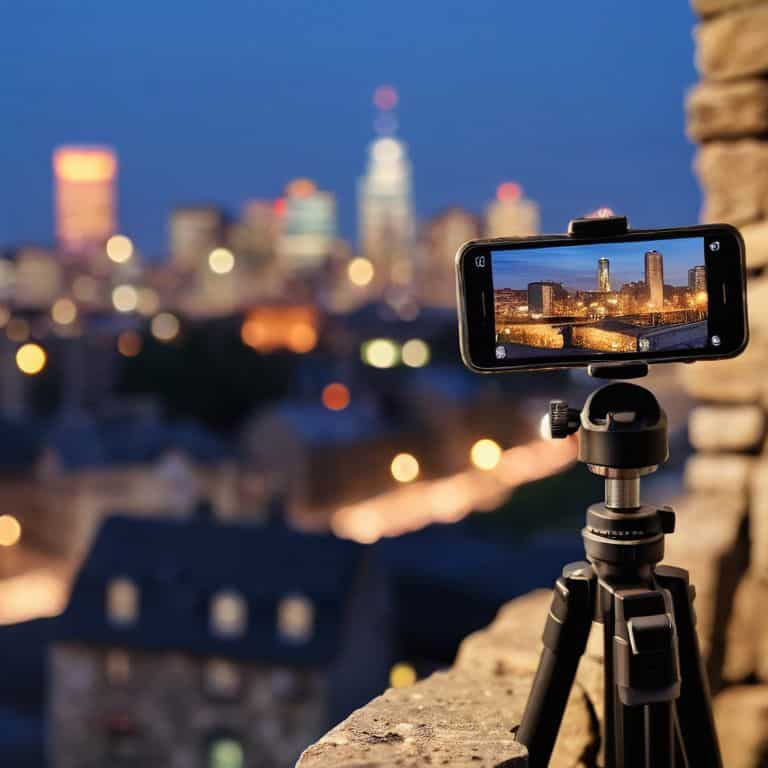
As I delve deeper into the world of nighttime photography, I’ve come to realize the importance of understanding your smartphone’s camera capabilities. The sensor size, for instance, plays a crucial role in determining how well your phone can capture images in dimly lit environments. I’ve found that using a tripod or smartphone tripod alternatives can greatly reduce camera shake and result in sharper photos.
When it comes to composing your shot, low light photography composition tips can make all the difference. I like to experiment with different angles and perspectives to add depth and interest to my photos. For instance, shooting from a low angle or using leading lines can create a sense of drama and tension.
To take my photos to the next level, I’ve started exploring noise reduction techniques in photography. This involves using the best editing apps to subtly adjust the exposure and contrast of my images. By doing so, I can minimize grain and digital noise, resulting in cleaner and more polished photos. I’ve also considered investing in smartphone camera lens attachments to further enhance my phone’s camera capabilities.
Noise Reduction Techniques for Stunning Nighttime Shots
When I’m out capturing the city lights at night, I’ve learned that noise reduction is key to getting those stunning shots. One technique I swear by is using the HDR feature on my smartphone – it helps to balance out the exposure and reduce grain. I also make sure to keep my camera app updated, as newer versions often include improved noise reduction algorithms. It’s amazing how a simple software update can make a world of difference in the quality of my nighttime photos.
I’ve found that combining HDR with a tripod or stabilizer can work wonders for minimizing noise and blur. It’s all about experimenting and finding what works best for your smartphone and shooting style. As I wrote on the back of an old postcard I found, “The night is full of secrets, and with the right techniques, your camera can uncover them.”
Sensor Secrets Boosting Your Cameras Low Light Performance
As I delve into the world of low-light smartphone photography, I’m reminded of an old postcard I found at a flea market, depicting a moonlit night in Paris. The photographer’s ability to capture the soft glow of the city’s streets has always fascinated me. One of the key factors in achieving such stunning low-light images is understanding the camera’s sensor. A larger sensor can absorb more light, resulting in better performance in low-light conditions.
I’ve experimented with different smartphones, and it’s astonishing how a well-designed sensor can make a significant difference. By knowing your camera’s sensor capabilities, you can adjust your shooting style to optimize low-light performance, whether you’re capturing a serene landscape or a bustling cityscape at dusk.
Capturing Magic in the Shadows: 5 Essential Tips for Low-Light Smartphone Photography
- Embrace the Golden Hour: Take advantage of the soft, warm light during the golden hour to capture stunning portraits and cityscapes with minimal noise and rich colors
- Steady Hands and Stabilization: Use a tripod, lean against a wall, or employ the camera’s built-in stabilization feature to minimize camera shake and ensure sharper images in low-light conditions
- Play with Reflections and Lights: Incorporate creative uses of reflections from windows, mirrors, or water, and make the most of available light sources like streetlights, neon signs, or string lights to add depth and interest to your photos
- Experiment with Night Mode and Long Exposure: Understand when to use your camera’s night mode and how to manually adjust exposure settings to capture breathtaking low-light scenes, from starry skies to bustling city streets at night
- Pay Attention to Composition: Even in low light, the rule of thirds, leading lines, and framing can elevate your photographs; look for unique perspectives and use the available light to guide the viewer’s eye through your image
Capturing Life's Moments: 3 Key Takeaways for Low-Light Smartphone Photography
I’ve found that understanding your smartphone’s camera sensor and its limitations is crucial for capturing stunning low-light photos, a lesson I learned while trying to photograph the soft glow of city streets at night
Experimenting with noise reduction techniques and finding the right balance between light and shadow can make all the difference in your nighttime shots, as I discovered on a recent urban gardening project under the moonlight
By combining these technical tips with a keen eye for composition and a sense of storytelling, you can turn even the most mundane low-light scenes into captivating moments that tell a story, much like the old postcards I collect, each with its own unique tale to tell
Capturing the Essence of the Night
Low-light smartphone photography isn’t just about snapping a picture in the dark, it’s about uncovering the hidden beauty that only reveals itself when the sun dips below the horizon, and the world is bathed in the soft, mystical glow of twilight.
Emily Harrison
Shining a Light on Low-Light Photography
As I reflect on our journey through the world of low-light smartphone photography, I’m reminded of the power of practice and the importance of understanding our camera’s capabilities. We’ve covered the essential steps to improve our low-light shots, from mastering the basics of exposure and composition to exploring the sensor secrets that can make or break our nighttime photography. By applying these techniques and tips, we can significantly enhance our ability to capture stunning images, even in the most challenging lighting conditions.
So, the next time you find yourself wandering through the city streets on a moonlit night, remember that your smartphone is more than just a device – it’s a tool to capture life’s beauty and preserve the memories we create under the stars. With a little patience, practice, and creativity, we can unlock the full potential of low-light smartphone photography and discover a whole new world of photographic possibilities, one that is full of endless inspiration and beauty.
Frequently Asked Questions
What are some common mistakes to avoid when taking photos in low-light conditions with a smartphone?
When shooting in low light, I’ve found that one of the biggest mistakes is not stabilizing your phone – a shaky hand can blur even the best moments. Another pitfall is using the flash excessively, which can wash out natural light and create harsh shadows.
How can I effectively use external lighting sources, such as streetlights or string lights, to enhance my low-light smartphone photography?
I love experimenting with external lighting sources, like string lights or streetlights, to add a touch of magic to my nighttime shots. Try positioning yourself so that the light source is at an angle, rather than directly behind or in front of your subject, to create interesting shadows and depth.
Are there any specific smartphone models or camera apps that are particularly well-suited for low-light photography?
I’ve had great experiences with the Google Pixel series and iPhones for low-light photography. As for camera apps, I swear by ProCam and Filmic Pro – they offer incredible manual controls that help me capture stunning nighttime shots.