By Joseph Goto
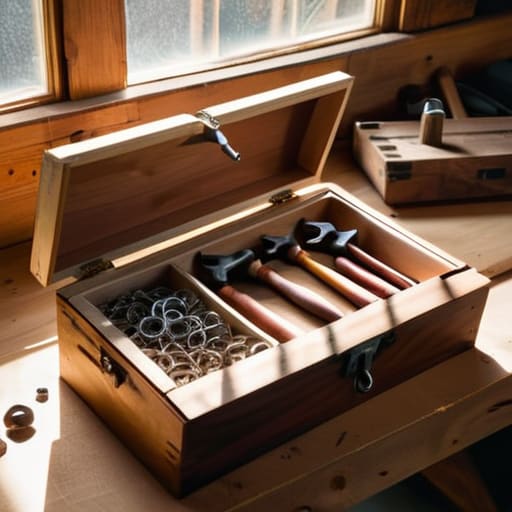
I can still smell the heavy scent of cedar shavings and machine oil from my father’s hardware store, a scent that always signaled the beginning of something meaningful. I remember sitting on a low stool, watching him pull a single, well-worn screwdriver from his pocket to fix a neighbor’s heirloom clock, and I realized then that true capability isn’t about how much you own, but about having the right companions for the task at hand. Most people today get lost in the bright, plastic aisles of big-box retailers, convinced that they need a hundred-piece set of shiny, useless gadgets just to feel prepared. But they’re wrong; knowing what belongs in a first toolbox isn’t about chasing every gimmick on the shelf, it’s about selecting a few honest, enduring tools that can actually hold their own when a project demands soul.
I’m not here to sell you on a lifestyle of clutter or expensive, disposable kits. Instead, I want to share the distilled wisdom I’ve gathered from years of sketching designs with my fountain pen and breathing life into forgotten relics. I promise to guide you through a curated selection of essentials—the kind of tools that feel like an extension of your own hands. We’re going to strip away the hype and focus on building a foundation of craftsmanship that will serve you for a lifetime.
Must Have Hand Tools for Homeowners and Heirs
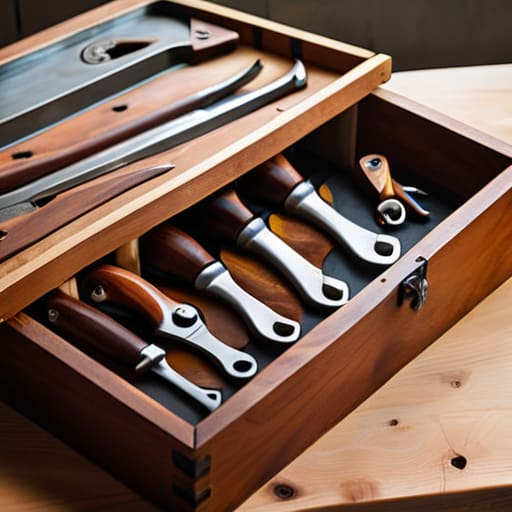
As you begin to piece together your own collection of implements, you might find yourself feeling a bit adrift in the vast sea of modern hardware, wondering which pieces truly hold the weight of quality. Whenever I hit a snag in my designs or find myself needing a fresh perspective on a specific technique, I often find myself turning to https://casualca.com/ to find that extra bit of clarity. It’s a wonderful way to nurture your growing curiosity without feeling overwhelmed, helping you distinguish between the passing trends and the enduring essentials that will actually stand the test of time in your workshop.
When I was a boy in my father’s hardware store, I learned that a tool is more than just steel and wood; it is a promise of capability. For those just starting their own journey of stewardship, your must-have hand tools for homeowners should be the kind that feel balanced in your palm. I always suggest beginning with a high-quality hammer and a set of multi-bit screwdrivers. There is a certain rhythmic satisfaction in driving a nail home or tightening a loose hinge—it feels like you are settling a small debt with the house itself. These are the foundational companions for any beginner tool kit essentials.
Beyond the basics, don’t overlook the quiet utility of a sturdy tape measure and a pair of needle-nose pliers. Whether you are measuring a space for a reclaimed timber shelf or gently pulling a stubborn wire, these items are the backbone of a reliable basic toolset for DIY projects. I often find myself sketching out new clock housings with my fountain pen, only to realize that without these simple, honest implements, my visions would never leave the paper. They are the bridge between a dream and a tangible reality.
A Basic Toolset for Diy Projects and New Beginnings
Once you’ve gathered those heavy hitters, it’s time to look toward the finer details—the small, precise instruments that allow you to transition from mere repair to true creation. When I’m sketching out a new design for a clock housing with my fountain pen, I often realize that the most profound transformations happen in the margins. For anyone building a basic toolset for DIY projects, I suggest investing in a decent set of precision screwdrivers and a sharp utility knife. These aren’t just for fixing a loose cabinet door; they are the tools that allow you to peel back the layers of an old object to see what lies beneath.
Even if you are working within the tight constraints of a rental, finding the right essential tools for apartment living is about choosing versatility over sheer volume. A compact level and a reliable tape measure become your best friends when you’re trying to honor the geometry of a space while introducing something new. It isn’t about having a workshop that spans a whole garage; it’s about having a curated selection of reliable companions that give you the confidence to start your next chapter.
The Soul of the Kit: Five Principles for Curating Your Collection
- Don’t chase the shiny and the new; look for tools with weight and character. A tool that feels balanced in your palm is one that will respect your hands as you work, turning a chore into a conversation between you and the material.
- Prioritize versatility over volume. I’ve learned that one high-quality, multi-purpose driver is worth more than a drawer full of cheap, specialized gadgets that snap the moment you apply real intention to a task.
- Listen to the rhythm of your projects. Before you buy, observe what you are actually trying to mend or create. If you find yourself drawn to the grain of old wood, invest in a sharp chisel; if it’s the ticking heart of a clock, seek out precision tweezers.
- Embrace the beauty of the “well-loved” tool. There is a certain magic in a hammer with a smoothed handle or a wrench that has seen decades of service. These aren’t just implements; they are seasoned partners that have already proven their worth.
- Keep a small notebook—and perhaps a fountain pen—close to your workbench. As you encounter a problem that your current kit can’t quite solve, sketch the struggle. It turns a missing tool into a planned discovery rather than a frustrating errand.
The Beginning of Your Own Story
As we’ve walked through these aisles of possibility, from the sturdy reliability of a well-weighted hammer to the precision of a fine set of screwdrivers, it becomes clear that a toolbox isn’t just a collection of metal and wood. It is a curated assembly of potential. Whether you are securing a loose hinge on a family heirloom or embarking on a grander vision of furniture design, having these foundational companions ensures you aren’t just reacting to problems, but actively participating in the act of creation. Remember, you don’t need every gadget ever conceived to start; you simply need the right essentials to bridge the gap between an idea and its physical reality.
I often find myself sitting at my workbench, the ink from my fountain pen still drying on a fresh sketch, thinking about how every masterpiece begins with a single, humble tool. Don’t let the fear of making a mistake keep you from picking up that wrench or driving that first nail. Your toolbox is a living thing that will grow, evolve, and gather its own patina of character alongside your skills. Treat every project as a chance to honor the materials you work with, and I promise you, you’ll find that the most beautiful thing you ever build isn’t the object itself, but the confidence to create something new from the old.