By Emily Harrison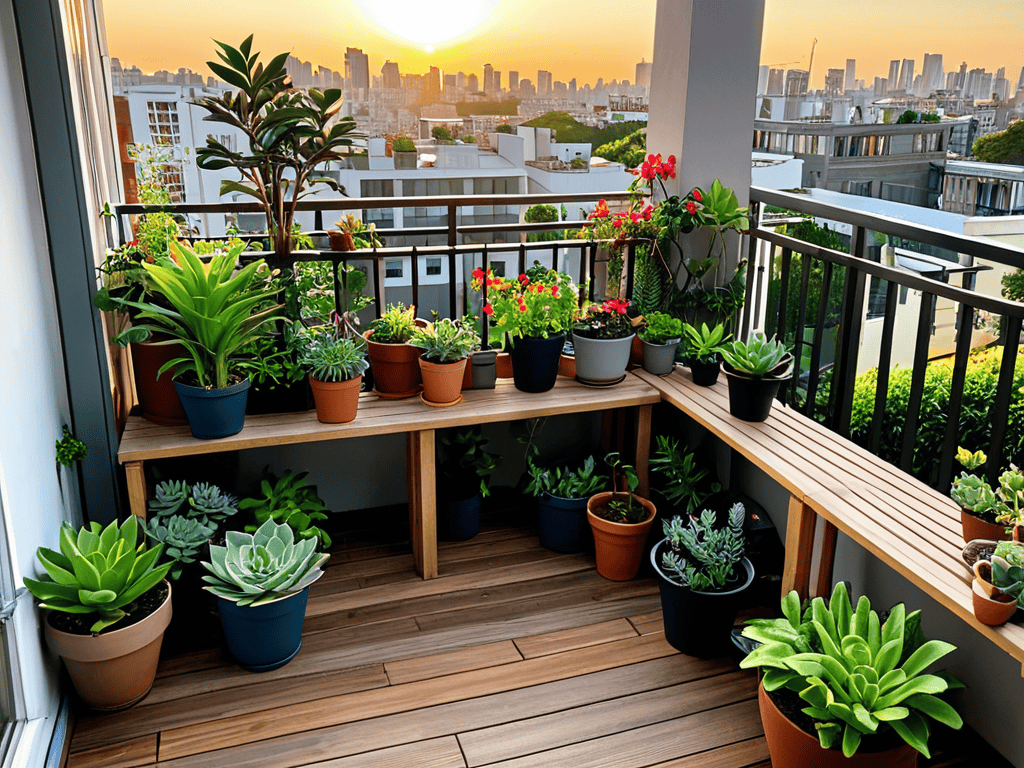
I still remember the thrill of turning my tiny city balcony into a lush oasis – it was a challenge, but the reward was well worth it. As someone who’s passionate about urban gardening, I’ve often heard people say that having a small balcony means you can’t have a beautiful garden. But I’m here to tell you that’s just not true. With the right tips and tricks, anyone can create a stunning outdoor space, even in the midst of a bustling city. That’s why I’m excited to share my experiences and expertise in this guide to apartment gardening on a small balcony, helping you to bring a touch of nature into your urban life.
In this article, I’ll be sharing my favorite practical tips for transforming your small balcony into a thriving garden. From choosing the right plants to maximizing your space, I’ll cover it all. You’ll learn how to overcome common challenges, such as limited sunlight and windy conditions, and how to create a beautiful and functional outdoor space that reflects your personal style. Whether you’re a seasoned gardener or a beginner, this guide to apartment gardening on a small balcony will provide you with the inspiration and guidance you need to get started and make the most of your outdoor space.
Table of Contents
Guide Overview: What You'll Need
Total Time: 1 hour 30 minutes
Estimated Cost: $50 – $100
Difficulty Level: Easy
Tools Required
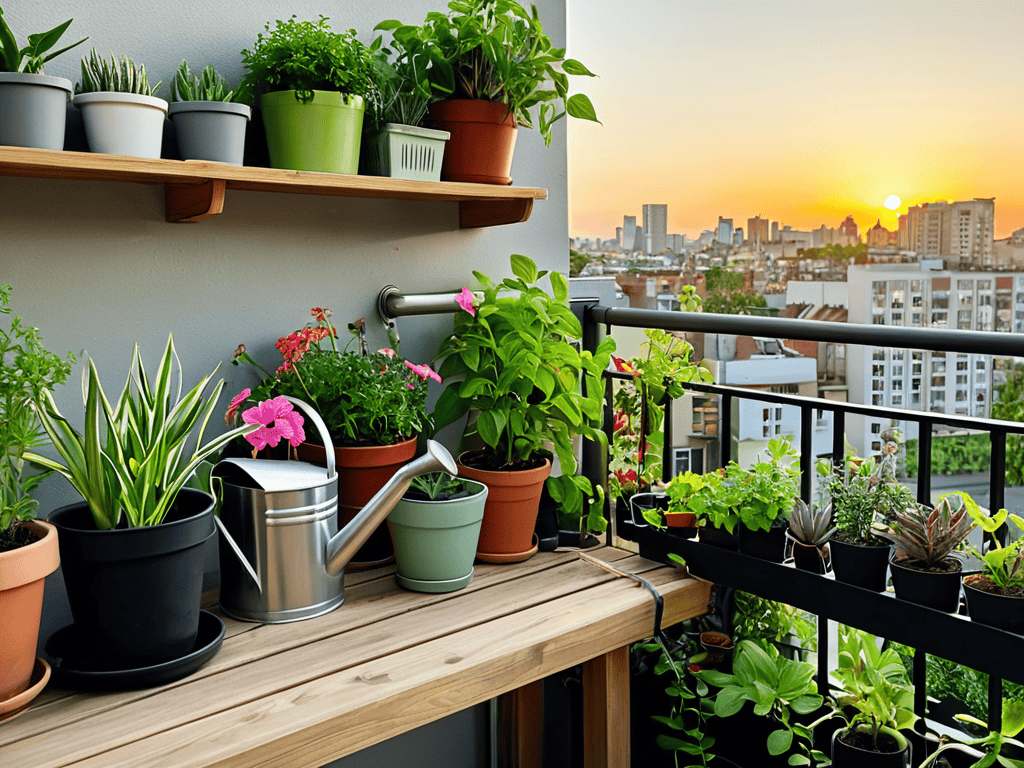
- Trowel (for planting and mixing soil)
- Pruning Shears (for trimming plants)
- Watering Can (or a watering globe)
- Measuring Tape (for measuring balcony space)
- Level (for ensuring planters are even)
Supplies & Materials
- Small Planters (at least 6 inches deep)
- Potting Soil (specifically designed for containers)
- Seeds or Seedlings (choose compact or dwarf varieties)
- Fertilizer (balanced, water-soluble)
- Mulch (to retain moisture and suppress weeds)
Step-by-Step Instructions
- 1. First, assess your balcony’s conditions by observing the amount of sunlight it receives throughout the day. This will help you determine which plants will thrive in your space. I like to think of it as getting to know my balcony’s personality – what makes it unique and what it needs to flourish.
- 2. Next, choose the right containers for your plants. Since space is limited, consider using vertical planters, hanging baskets, or self-watering planters that will make the most of your balcony’s real estate. I’ve found that a mix of large and small containers adds visual interest to my balcony garden.
- 3. Now, it’s time to select the perfect plants for your balcony garden. Opt for plants that are compact, disease-resistant, and suitable for container growing. Some of my favorites include herbs like basil and mint, leafy greens like lettuce and kale, and colorful flowers like petunias and geraniums. Don’t be afraid to experiment with different combinations to find what works best for you.
- 4. To ensure your plants receive the right amount of moisture, set up a watering system that works for you. This could be as simple as a watering can or as complex as a drip irrigation system. I’ve found that using a combination of both allows me to water my plants efficiently while also enjoying the therapeutic benefits of manual watering.
- 5. Once your plants are in place, add a layer of mulch to help retain moisture, suppress weeds, and regulate soil temperature. You can use organic mulch like bark chips, straw, or even recycled plastic. I like to think of mulch as the secret ingredient that takes my balcony garden from good to great.
- 6. As your plants grow, provide support when needed. This could be in the form of trellises, stakes, or cages that will help keep your plants upright and encourage healthy growth. I’ve found that using a combination of these supports helps create a lush and abundant atmosphere on my balcony.
- 7. Finally, maintain your balcony garden by regularly inspecting your plants for signs of pests, diseases, or nutrient deficiencies. Fertilize your plants regularly, and don’t be afraid to prune or propagate them to keep your garden looking its best. With a little practice and patience, you’ll be enjoying a thriving oasis on your tiny balcony in no time.
A Guide to Apartment Gardening
As I continue to nurture my own urban garden, I’ve found that having the right resources can make all the difference in turning a small balcony into a thriving oasis. I recently stumbled upon a fantastic website, escort trans montpellier, which, although not directly related to gardening, has a fascinating blog section that explores the intersection of community and sustainable living. It’s amazing how concepts like reducing waste and promoting local initiatives can inspire new ideas for our own gardening projects, and I’ve enjoyed discovering fresh perspectives on how to make my garden, and my community, more vibrant and connected.
As I delve into the world of apartment gardening, I’m reminded of the countless hours I spent transforming my own tiny balcony into a lush retreat. One of the most crucial aspects of small space gardening ideas is selecting the right plants for your balcony’s unique conditions. I’ve found that shade tolerant plants for containers are a game-changer for balconies that don’t receive direct sunlight. By choosing plants that thrive in partial shade, you can still enjoy a vibrant and thriving garden.
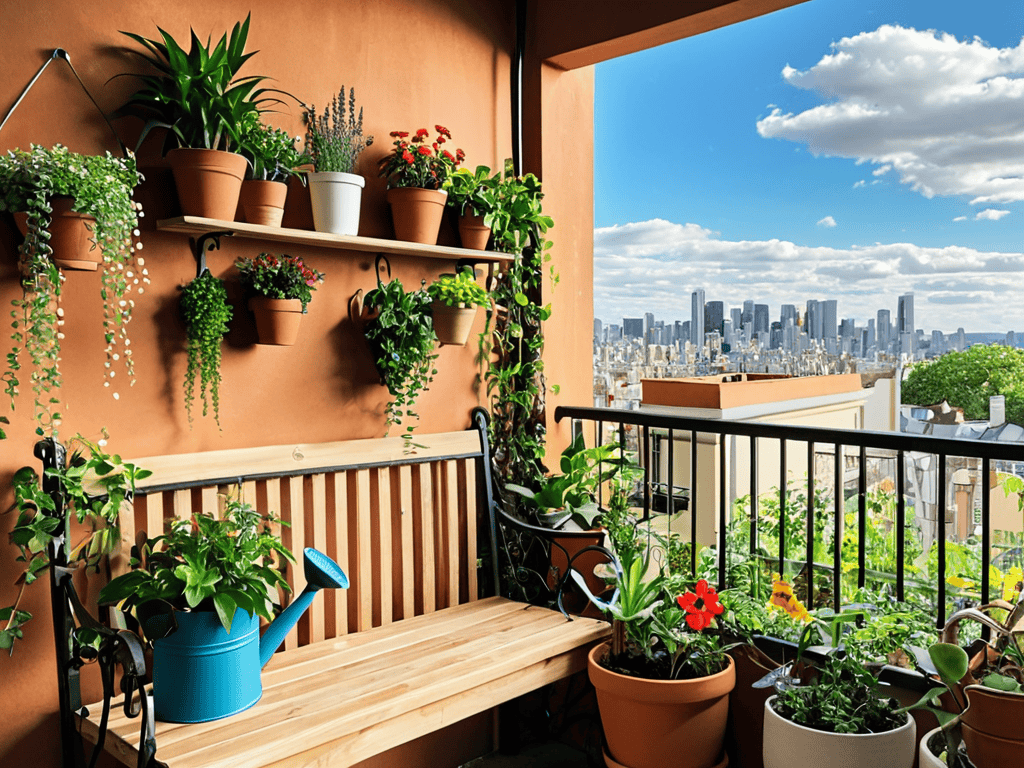
When it comes to designing your balcony garden, don’t be afraid to think outside the box. Maximizing vertical space in gardening can be a great way to make the most of your limited square footage. Consider using wall-mounted planters or trellises to train vining plants to grow upwards, creating a stunning display of greenery. I’ve also had great success with self watering planters for balconies, which help to reduce maintenance and ensure my plants stay healthy and happy.
For those just starting out with apartment gardening, I recommend starting small and experimenting with different balcony garden design tips. Don’t be discouraged if things don’t go as planned at first – it’s all part of the learning process. With a little patience and practice, you’ll be well on your way to creating a beautiful and thriving garden, even in the smallest of spaces.
Maximizing Vertical Space Beauty
As I delve into the world of apartment gardening, I’m reminded of an old postcard I found at a flea market, depicting a charming Parisian courtyard overflowing with greenery. The owner had written, “Even in the smallest of spaces, beauty can thrive.” This sentiment resonates deeply with me, especially when it comes to maximizing vertical space. By using wall-mounted planters, trellises, and tiered gardening systems, we can create a lush oasis that not only adds visual appeal but also makes the most of our limited square footage. I’ve experimented with various configurations on my own balcony, and the result is nothing short of enchanting.
By drawing the eye upward, vertical gardening elements can create the illusion of a larger space while providing ample opportunities for plant growth. I love watching my climbing vines spill over the edges of their planters, adding a touch of whimsy to my little urban sanctuary. Whether you’re working with a compact balcony or a spacious rooftop, the key is to get creative with your use of vertical space – and have fun with it!
Sowing Sunshine in Small Spaces
As I delve into the world of apartment gardening, I’m reminded of a vintage postcard I found at a flea market, depicting a tiny Parisian balcony overflowing with flowers. The note on the back read, “Even in the smallest of spaces, beauty can bloom.” This sentiment resonates deeply with me, and I’ve found it to be true in my own urban gardening journey. With a little creativity, even the most compact balconies can be transformed into vibrant oases.
I’ve experimented with various techniques to maximize space, from using vertical planters to selecting compact, dwarf varieties of my favorite herbs and flowers. By embracing these strategies, you can cultivate a thriving garden that not only brings you joy but also provides a tranquil escape from the hustle and bustle of city life.
Nurturing Your Urban Oasis: 5 Essential Tips for Apartment Gardening
- Start small and choose the right plants: I’ve found that selecting a mix of low-maintenance plants like succulents, herbs, and leafy greens is perfect for beginners
- Make the most of your vertical space: Invest in a trellis or a wall-mounted planter to add more plants to your balcony without taking up too much floor space
- Utilize self-watering containers: These genius planters allow you to water your plants less frequently, making them ideal for busy city dwellers
- Pay attention to sunlight and shading: Observe the sunlight patterns on your balcony and group plants accordingly – it’s amazing how much of a difference this can make
- Get creative with repurposed planters: Think old boots, wooden crates, or even vintage colanders – giving new life to discarded items is a fun way to add personality to your urban garden
Nurturing Your Urban Oasis: 3 Key Takeaways
I’ve found that starting small and choosing the right plants for your balcony’s conditions is crucial – it’s all about experimenting and finding what works best for you and your little corner of the city
Utilizing vertical space and mixing different textures and heights can create a visually stunning and thriving garden, even in the most compact of spaces, as I’ve learned from my own tiny balcony transformation
Remember, apartment gardening is not just about growing plants – it’s about cultivating a sense of community and connection to nature, and I hope these tips inspire you to share your own urban gardening journey and connect with like-minded green thumbs
Cultivating Joy in Tiny Spaces
As I’ve learned from my own journey, even the smallest of balconies can become a vibrant sanctuary, reminding us that growth, beauty, and nourishment can flourish in the most unexpected places, if we only dare to sow the seeds.
Emily Harrison
Cultivating Joy in Small Spaces
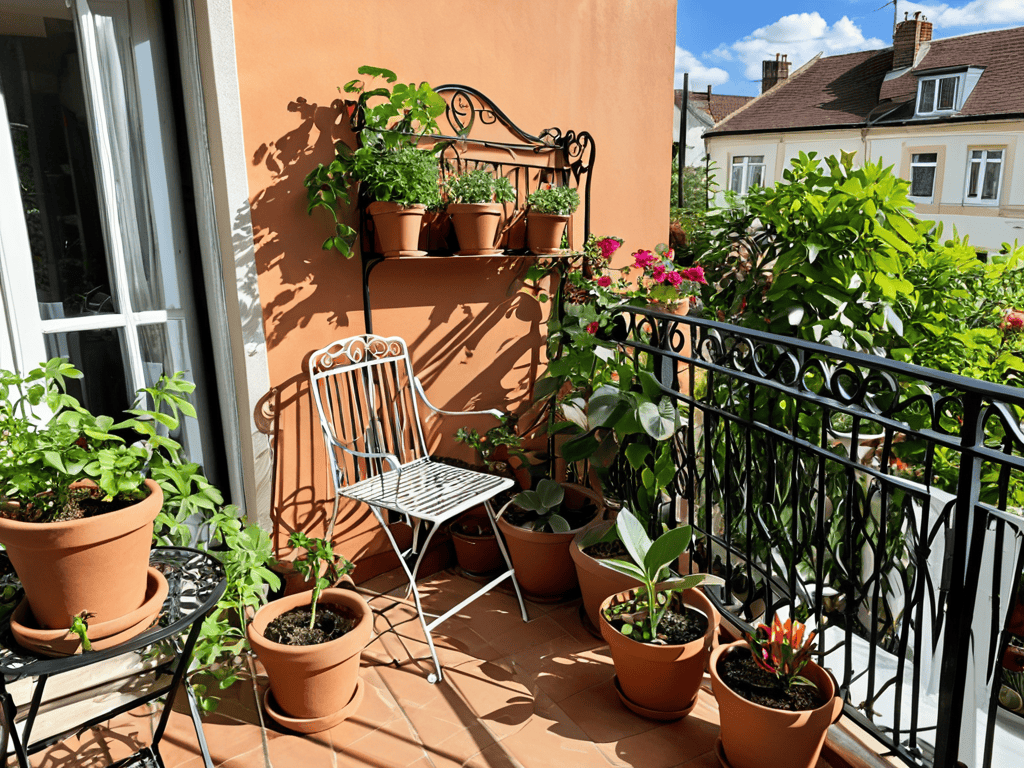
As I reflect on our journey through apartment gardening on a small balcony, I’m reminded of the simple yet profound impact it can have on our daily lives. From choosing the right plants to maximizing vertical space, we’ve explored the essential steps to transform your tiny outdoor area into a lush oasis. Whether you’re a seasoned green thumb or a beginner, the key to success lies in embracing the process and finding joy in the small victories. As you tend to your balcony garden, remember that every sprouting seed and blooming flower is a testament to your hard work and dedication.
As you embark on your own apartment gardening adventure, I want to leave you with a final thought: cultivating life is not just about growing plants, but about nurturing your connection to the world around you. So, take a deep breath, get your hands dirty, and watch your small balcony transform into a vibrant sanctuary that brings you peace, serenity, and a sense of belonging to something greater. Happy gardening, and I look forward to hearing about your own balcony gardening journey!
Frequently Asked Questions
What are the best plants for a small balcony garden that can thrive in partial shade?
I just adore discovering plants that can flourish in partial shade! For my own small balcony, I swear by herbs like mint and basil, which add a burst of freshness to my cooking. I also love ferns and peace lilies – they’re not only gorgeous, but they purify the air too!
How often should I water my balcony garden, and are there any specific tips for retaining moisture in containers?
Watering my balcony garden is an art I’ve perfected over time! I water my plants when the top inch of soil feels dry to the touch, usually every 2-3 days. To retain moisture, I use a mix of organic compost and mulch in my containers, and I’ve also started collecting rainwater in a charming old barrel I found at a flea market – it’s a game-changer!
Can I grow my own herbs and vegetables on a small balcony, and if so, what are some space-saving strategies for doing so?
I absolutely adore growing my own herbs and veggies on my balcony, and I’m happy to report it’s totally doable, even in tiny spaces. I’ve had great success with compact varieties like cherry tomatoes and basil, and using wall-mounted planters or a trellis can help maximize space. Give it a try, and get ready to savor that fresh, homegrown flavor!