By Lucas Thompson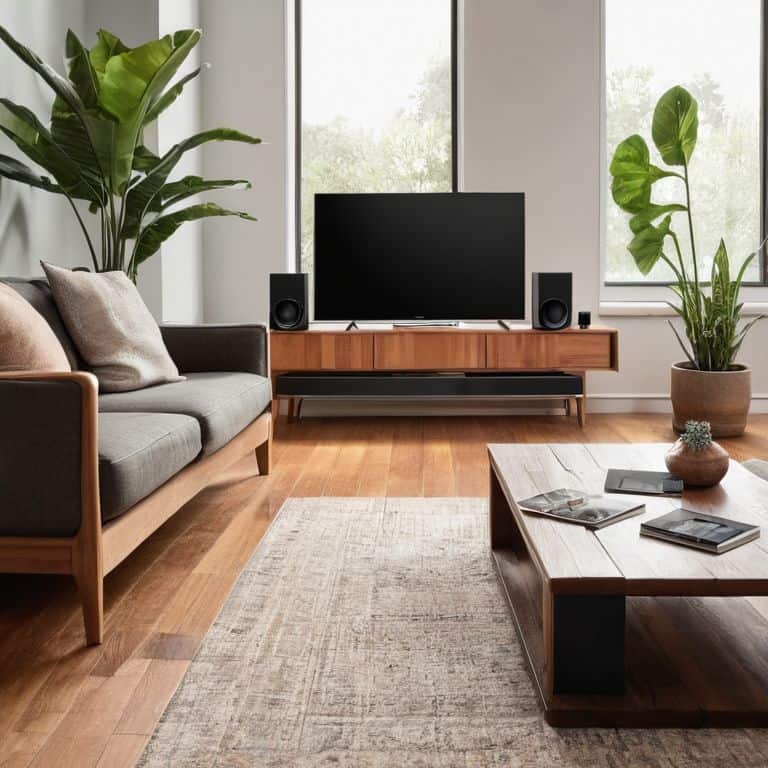
I still remember the day I had to decide between wireless vs wired home audio for my own place – it was like choosing between two vastly different worlds. As a tech enthusiast, I’ve always been fascinated by the rapid evolution of sound technology, and this dilemma had me questioning everything. Do I go for the sleek, futuristic appeal of wireless speakers or the reliable, time-tested quality of wired systems? It’s a choice many of us face, and one that can significantly impact our entertainment experiences.
As someone who’s spent years exploring the frontiers of technology, I’m excited to share my no-nonsense take on this epic debate. In this article, I’ll cut through the hype and provide you with experience-based advice, drawing from my own experiments with both wireless and wired home audio systems. My goal is to empower you with the knowledge to make an informed decision, one that suits your unique needs and preferences. So, whether you’re a tech newbie or a seasoned audiophile, join me as we delve into the world of wireless vs wired home audio and uncover the pros and cons of each, helping you tune in to the perfect sound for your life.
Table of Contents
Wireless Home Audio

Wireless home audio refers to a system that transmits sound signals through the air, using radio frequencies or infrared to connect devices, with its main selling point being the freedom from cables. This core mechanism allows for easy installation and flexibility in device placement, making it a popular choice for those who value convenience and aesthetics. The use of wireless home audio systems enables users to stream music from their devices to speakers throughout their home without the clutter of wires.
As someone who’s passionate about demystifying technology, I believe that wireless home audio has the potential to revolutionize our listening experiences. Imagine being able to move freely around your home while enjoying your favorite music, or effortlessly streaming audio from your phone to your speakers. This technology has the power to enhance our daily lives, making it easier to relax, focus, or entertain. By embracing wireless home audio, we can create a more seamless and enjoyable listening experience that fits our modern lifestyles.
Wired Home Audio
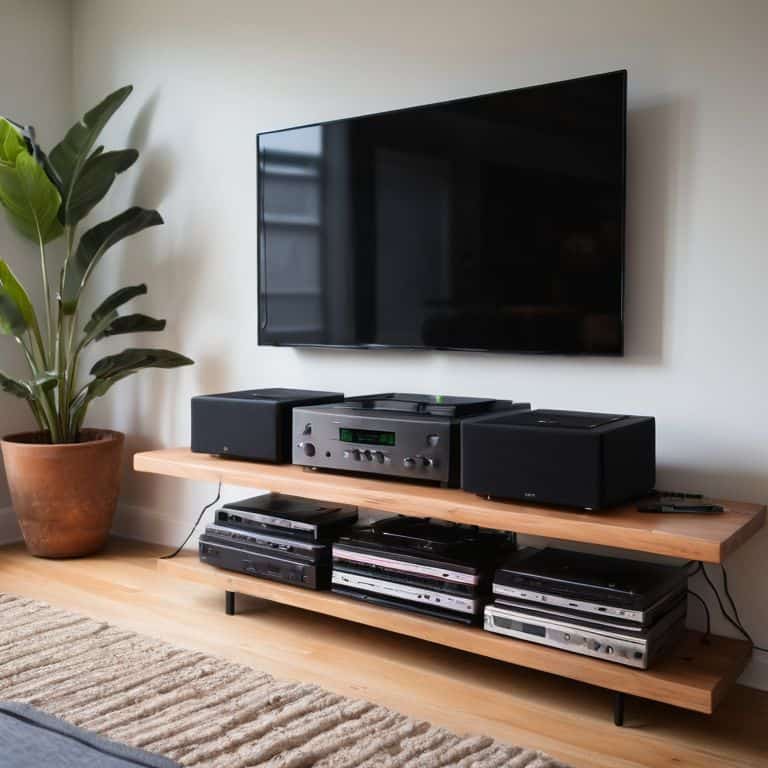
Wired home audio refers to a system that transmits sound signals through physical cables, such as Ethernet or HDMI, to connect devices, with its main selling point being uncompressed audio quality. This core mechanism ensures a reliable and stable connection, making it a preferred choice for audiophiles and those who require high-fidelity sound. The use of wired home audio systems provides a direct and lossless connection, resulting in a more accurate representation of the original audio signal.
As a tech enthusiast, I appreciate the reliability and consistency of wired home audio systems. There’s something to be said about the tactile experience of plugging in a cable and knowing that your audio signal is being transmitted with zero compression. Wired home audio systems offer a level of fidelity and control that’s hard to match with wireless alternatives, making them a great choice for those who value high-quality sound above all else. By understanding the benefits of wired home audio, we can appreciate the nuances of sound and create a more immersive listening experience.
Wireless vs Wired Home Audio: Head-to-Head Comparison
| Feature | Wireless Home Audio | Wired Home Audio |
|---|---|---|
| Price | Generally Higher | Generally Lower |
| Key Feature | Convenience, Portability | Reliability, Consistency |
| Best For | Large Homes, Multi-Room Systems | Small to Medium Homes, Direct Connections |
| Sound Quality | Can be compressed, dependent on tech | Lossless, high fidelity |
| Installation | Easy, minimal setup | More involved, requires wiring |
| Interference | Prone to wireless interference | Not prone to interference |
| Scalability | Easily expandable | More difficult to expand |
Wireless vs Wired Home Audio

When it comes to home audio systems, the debate between wireless and wired options can get pretty heated. But why does it matter? The answer lies in the user experience. A well-designed home audio system can elevate your entertainment, while a poorly chosen one can lead to frustration and disappointment.
In a head-to-head analysis, wireless home audio systems offer convenience and ease of installation, as they don’t require running cables through your walls or floors. On the other hand, wired systems provide a reliable connection and often better sound quality, as they are less prone to interference. However, they can be more difficult to install, especially in older homes.
In terms of practical implications, wireless systems are ideal for those who value flexibility and don’t want to deal with cables. Wired systems, however, are better suited for audiophiles who prioritize sound quality. After considering both options, I’d say that wired home audio systems take the win for sound quality, making them the better choice for those who want the best possible listening experience.
Key Takeaways: Navigating the Wireless vs Wired Home Audio Landscape
I’ve found that wireless home audio systems offer unparalleled convenience and flexibility, perfect for those who want to stream music seamlessly across different rooms and devices
However, wired home audio systems still reign supreme when it comes to reliability and sound quality, making them a top choice for audiophiles and those who value a robust listening experience
Ultimately, the decision between wireless and wired home audio comes down to your personal priorities – whether you’re a fan of hassle-free streaming or a connoisseur of high-fidelity sound, there’s a solution out there that’s sure to strike the right chord
The Sound of Progress
As we weigh the wonders of wireless against the reliability of wired, remember that the true harmony lies not in the technology itself, but in how it symphonizes our lives with seamless sound and limitless possibility.
Lucas Thompson
The Final Verdict: Which Should You Choose?
As we’ve explored the wireless vs wired home audio debate, it’s clear that both options have their strengths and weaknesses. Wireless systems offer unparalleled convenience and flexibility, making them perfect for those who value ease of installation and mobility. On the other hand, wired systems provide superior sound quality and reliability, making them a top choice for audiophiles and those who want a more traditional listening experience. Ultimately, the decision between wireless and wired home audio comes down to your individual needs and priorities.
So, who wins in the end? For the average user, I’d recommend wireless home audio for its sheer convenience and ease of use. However, for the audiophile or those who value absolute sound quality, wired systems are still the way to go. Whether you’re team wireless or team wired, one thing is certain – both options have the potential to revolutionize your listening experience, and it’s exciting to think about what the future holds for home audio technology.
Frequently Asked Questions
What are the key differences in sound quality between wireless and wired home audio systems?
For me, sound quality is where the rubber hits the road. Wireless systems can introduce some compression and latency, while wired systems typically offer a more direct, lossless connection – giving you that pure, unadulterated sound. But, let’s be real, the difference is often subtle, and wireless tech is getting better by the day!
How do wireless home audio systems handle interference from other devices?
Ah, great question! Wireless home audio systems often use techniques like frequency hopping or adaptive frequency selection to minimize interference from other devices. Some systems also employ noise cancellation or error correction algorithms to ensure a smooth listening experience, even in busy wireless environments.
Are wired home audio systems still relevant in today's smart home setups?
Absolutely, wired systems still hold their own in smart home setups, offering reliable, high-fidelity sound with minimal interference, making them a great choice for those seeking uncompromised audio quality.