 By
By 
If you’ve ever been sold a ‘gold‑standard’ Ayurvedic Dinacharya routine that demands a cedar‑scented oil lamp, a dozen exotic herbs, and a personal guru to whisper mantras at sunrise, you’re not alone. The truth is, most of those glossy Instagram posts are a marketing spin that turns a simple, ancient practice into a pricey performance art. I remember trying a ‘designer’ morning regimen: I woke at 4 a.m., scraped my tongue with a silver spoon, then spent thirty minutes arranging spices—only to feel more stressed than serene. What we really need is a down‑to‑earth, no‑fluff version of Ayurvedic Dinacharya rituals that fits into a real life schedule for today.
In the next minutes I’ll strip away the mystique and hand you a bite‑sized checklist: a glass of warm water, a quick tongue scrape, a few intentional breaths, and a simple massage you can do while the coffee brews. No exotic ingredients, no costly gadgets, just the core practices that have kept my gut calm and my mind clear for years. Stick with me, and you’ll walk away with a realistic, daily routine that works—no hype, no guilt.
Table of Contents
- Ayurvedic Dinacharya Rituals From Sunrise to Sunset
- Evening Ayurvedic Routine for Sleep Calming Rituals
- Unlock Ayurvedic Morning Routine Benefits for Radiant Energy
- Design Your Daily Ayurvedic Selfcare Blueprint
- Morning Yoga Asanas Dinacharya Energize Your Day
- Tongue Cleaning and Oil Pulling for Oral Health Ayurveda
- Five Everyday Ayurvedic Hacks to Supercharge Your Day
- Your Ayurvedic Daily Blueprint
- Daily Rhythm of Balance
- Wrapping It All Up
- Frequently Asked Questions
Ayurvedic Dinacharya Rituals From Sunrise to Sunset
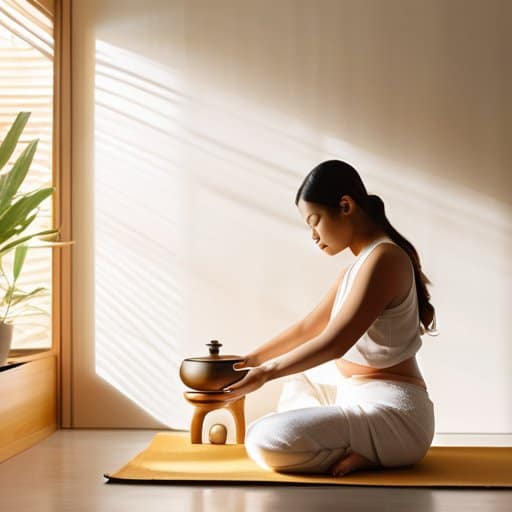
Kick off the day with a glass of warm water and a quick tongue scrape—simple steps that unleash the dinacharya tongue cleaning benefits most Ayurvedic practitioners rave about. Follow with a five‑minute oil pulling session; the gentle swish of sesame or coconut oil isn’t just a quirky habit, it actually jump‑starts oral health and clears toxins before breakfast. Slip into a short sequence of sunrise yoga asanas—cat‑cow, sun salutations, and gentle twists—to awaken the spine and set the tone for balanced digestion. The cumulative effect of this routine feeds directly into the Ayurvedic morning routine benefits: clearer skin, steadier energy, and a calmer mind ready for the day’s demands.
As the sun dips toward the horizon, transition to the evening side of the schedule. A warm, lightly spiced herbal tea paired with a brief meditation quiets the nervous system, priming you for restorative sleep. Finish with a soothing foot‑massage and a few minutes of gentle stretching, then brush your teeth and, if you wish, repeat a short oil‑pulling rinse to maintain oral hygiene overnight. This combination of daily Ayurvedic self‑care practices and a thoughtful Ayurvedic evening routine for sleep signals to your body that it’s time to unwind, helping you drift off with a sense of grounded peace.
Evening Ayurvedic Routine for Sleep Calming Rituals
After the day’s hustle, I dim the lights, pour a spoonful of warm sesame oil into my palms, and let it melt into a soothing self‑massage. The gentle strokes coax tension out of my shoulders, while the oil’s earthy scent signals my nervous system to unwind. I finish with a foot soak infused with rosemary, then sip a mug of warm milk spiked with a pinch of nutmeg—my nightly lullaby for the body.
As the clock strikes ten, I roll out a short yoga nidra session, guiding my mind through a guided body‑scan that drifts from toes to crown. The soft chant of “Om” steadies my breath, and I dim the bedroom lamp to a candle’s amber glow. I slip under the covers, letting the rhythmic inhale‑exhale rhythm lull me into a gentle slumber, waking refreshed for tomorrow’s sunrise.
Unlock Ayurvedic Morning Routine Benefits for Radiant Energy
When the first light filters through the curtains, reach for a glass of warm water and let it glide down your throat. A quick tongue scrape follows, sweeping away the night’s residue and waking the taste buds. A few minutes of self‑massage with warm oil coax circulation, while deep breathing fills the lungs with fresh air. The result? A burst of radiant energy that carries you through the first half‑day.
If you’re curious about weaving a quick, grounding breath‑practice into your sunrise ritual, there’s a surprisingly simple online guide that walks you through a five‑minute “awakening breath” you can do right after your tongue scrape; the walkthrough even includes a soothing playlist and a printable checklist, and you can start exploring it today by visiting the sesso torino portal at sesso torino—it’s a handy, no‑cost resource that fits neatly into any Ayurvedic morning routine and leaves you feeling instantly refreshed.
Next, set a simple intention—maybe gratitude for the day ahead or a single goal you’ll chase. A brief sun salutation loosens stiff joints, then sip a ginger‑spiced tea that fires up digestion. As the aromas mingle with your breath, mental fog lifts and focus sharpens. By the time you step outside, the Ayurvedic morning routine has already wired your nervous system for clarity and stamina.
Design Your Daily Ayurvedic Selfcare Blueprint
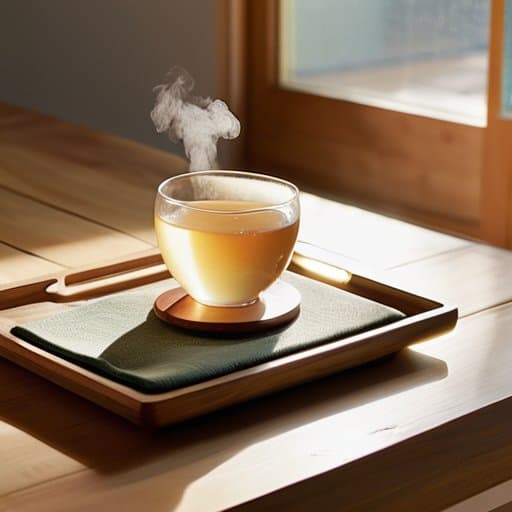
Start by mapping out the first hour after sunrise. A sip of warm water followed by a gentle tongue scrape taps into the dinacharya tongue cleaning benefits: it clears toxins and primes your taste buds for the day ahead. Slip into a 10‑minute sequence of morning yoga asanas dinacharya, focusing on spinal twists and sun salutations that awaken circulation. Finish with herbal tea while you review your Ayurvedic morning routine benefits checklist—more alertness, steadier digestion, and a calm mind ready for whatever tasks await.
Evening is the moment to lock in the day’s gains. Begin with an oil pulling for oral health ayurveda session; the swish whitens teeth and pulls microbes, leaving the mouth fresh for bedtime. Follow with a blend of Abhyanga self‑massage, then settle onto a cushion for a guided meditation. Finally, the Ayurvedic evening routine for sleep—a cup of warm milk spiced with cardamom, soft lighting, and a gratitude journal—signals your nervous system to unwind. When you repeat this daily Ayurvedic self‑care practices cycle, you’ll notice a smoother transition into restorative sleep and a more balanced Ayurvedic daily schedule for wellness overall.
Morning Yoga Asanas Dinacharya Energize Your Day
When the first light creeps through the curtains, roll out a thin mat and slip into a few rounds of Sun Salutation. The flowing sequence stretches every joint, awakens the digestive fire, and syncs breath with movement, turning a sleepy body into a ready‑for‑action vessel. Even a single cycle ramps up circulation, clears morning fog, and signals to your nervous system that it’s go‑time.
Follow the warm‑up with a quick Warrior II‑to‑Triangle combo, then a seated twist that massages the liver and stimulates the Kapha‑balancing fire. Finish with a few deep breaths in child’s pose, feeling the spine lengthen and the mind settle. This energy‑boosting flow leaves you humming, ready to tackle emails, chores, or a morning walk with a clear, vibrant headspace. You’ll notice your posture naturally straighten, and a subtle optimism sticks with you all day throughout the afternoon.
Tongue Cleaning and Oil Pulling for Oral Health Ayurveda
First thing after you’ve rinsed your mouth with warm water, grab a copper tongue scraper and glide it gently from the back of your tongue to the tip. This simple habit sweeps away the buildup of toxins that accumulate overnight, leaving your breath fresh and your taste buds ready for the day. Tongue scraping also kick‑starts digestion by signaling the brain that it’s time to awaken the digestive fire.
When the sun’s a little higher, swish a tablespoon of organic sesame oil around your mouth for ten to fifteen minutes before spitting it out. The oil acts like a magnet, pulling stubborn plaque and bacteria into suspension, then you rinse thoroughly with warm water. This ritual not only whitens your smile but also soothes inflamed gums and balances the oil pulling practice with your overall Ayurvedic routine and restores oral harmony.
Five Everyday Ayurvedic Hacks to Supercharge Your Day
- Start every morning with a warm glass of water and a gentle tongue scrape to wake up your digestive fire.
- Massage a spoonful of warm sesame oil onto your skin before showering to nourish the doshas and boost circulation.
- Practice a short, mindful sun salutation sequence right after waking to align breath, body, and intention.
- Sip a cup of ginger‑turmeric tea mid‑morning to keep agni (digestive fire) bright and steady.
- End the day with a calming self‑massage (Abhyanga) using calming oils and a few minutes of deep breathing before bedtime.
Your Ayurvedic Daily Blueprint
Consistency is king—commit to the sunrise‑to‑sunset routine to sync body, mind, and dosha balance.
Simple mouth‑care tricks like tongue scraping and oil pulling lay a clean foundation for digestion and immunity.
Pair gentle morning yoga with mindful breathing to energize the day, and end with calming evening rituals for restorative sleep.
Daily Rhythm of Balance
“When sunrise kisses the tongue and the day ends with a whispered breath, Ayurvedic Dinacharya turns ordinary moments into a sacred dance of health, harmony, and inner fire.”
Writer
Wrapping It All Up

We’ve walked through sunrise to sunset, discovering how a few mindful steps can rewrite your day’s script. Starting with a glass of warm water, a gentle tongue scrape, and a quick oil‑pull, you’ve learned to cleanse the mouth and spark the digestive fire before you even get out of bed. A brief sun‑salutation‑style yoga flow then awakens the muscles and circulates prana, while the simple practice of self‑massaging the abdomen steadies the nervous system. As the sun dips, a calming tea, a warm oil massage, and a quiet meditation set the stage for restorative sleep. Together, these daily rhythms form a holistic shield that supports inner balance and lasting vitality.
So, as you close this page, picture your day as a circle of intention—each ritual a stepping stone toward a more vibrant you. The beauty of Dinacharya is that it asks for nothing more than consistency and a sprinkle of curiosity. When you commit to these practices, you’re not just following an ancient script; you’re crafting a personal sanctuary where body, mind, and spirit converse in harmony. Let the rhythm of sunrise yoga, the hum of oil pulling, and the hush of bedtime meditation become the soundtrack of your life. Embrace this simple, timeless toolkit, and watch how every sunrise greets you with fresh energy, while each night whispers the promise of renewal.
Frequently Asked Questions
How can I customize my Ayurvedic morning routine to suit my specific dosha type?
First, identify your dosha—Vata, Pitta or Kapha. Vata mornings need grounding: sip warm water, gentle oil massage, slow stretching, and a calming herbal tea. Pitta thrives on cooling: start with cool water, a brief breath‑work session, light yoga, and a mint‑lime drink. Kapha benefits from invigoration: finish a warm shower, brisk walking, a stimulating spice‑infused tea, and a quick dose of breath work. Tailor timing and intensity to how you feel each day.
What are the essential tools and ingredients I need to start a simple yet effective Dinacharya practice at home?
Start with a warm‑water kettle or mug, a stainless‑steel or copper tongue scraper, a tablespoon of organic sesame (or coconut) oil for oil‑pulling, a small bowl for rinsing, a soft towel, a yoga mat (or firm rug) for a quick stretch, a gentle dry‑brush if you like, a notebook to jot down how you feel, and a calming candle or diffuser to set the mood. That’s all you need to launch a simple Dinacharya routine.
Can I integrate modern wellness habits, like meditation apps or fitness trackers, with traditional Ayurvedic daily rituals without losing their benefits?
Absolutely—you can blend tech with tradition without short‑changing either. Start by checking your sleep tracker, then sip warm water, scrape your tongue, and launch a 5‑minute guided meditation from your favorite app; let the timer cue a gentle Vata‑balancing asana. Throughout the day, let your step counter remind you to pause for a breath‑work break, and at night log a quick self‑massage before a calming mantra. Modern tools should amplify, not replace, the Ayurvedic rhythm.
