By Steven Wells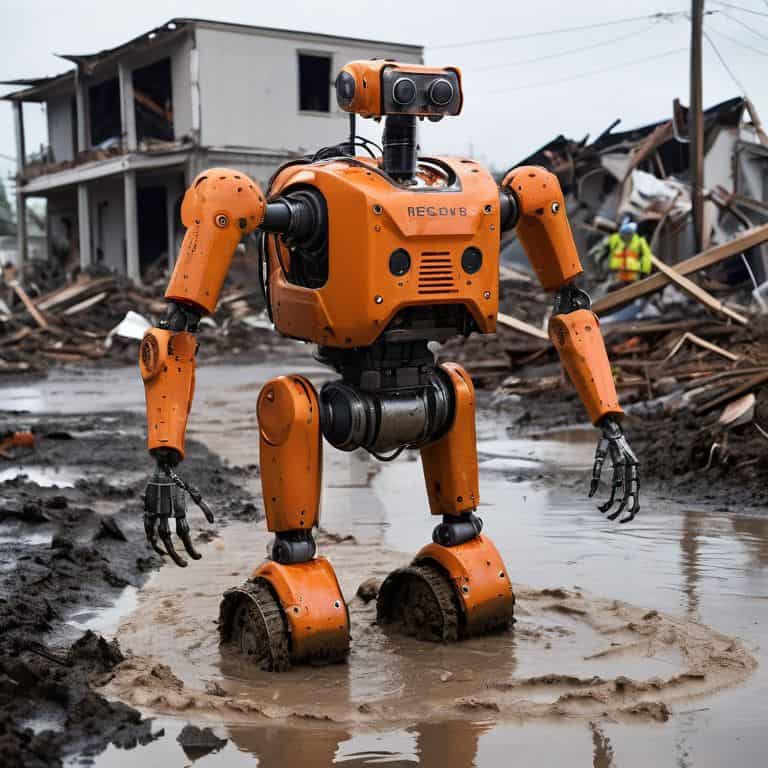
I still remember the first time I saw a disaster response robot in action – it was like witnessing a guardian angel made of metal and wires, rushing to save lives in the aftermath of a devastating storm. The sound of its engines, the smell of smoke and debris, and the feeling of hope it brought to the survivors are etched in my memory forever. As someone who’s spent years exploring the world and telling stories of resilience, I’ve always been fascinated by the potential of technology to bridge the gap between disaster and recovery. However, I’ve also seen how the hype surrounding disaster response robots can sometimes overshadow the real challenges and complexities of implementing this technology.
As I share my thoughts on disaster response robots, I want to make a promise to you: I’ll cut through the noise and provide you with honest, experience-based advice on what works and what doesn’t. I’ll draw from my own experiences as a travel journalist, where I’ve seen firsthand the impact of disasters on communities and the role that technology can play in relief efforts. My goal is to inspire a sense of curiosity and wonder in you, while also providing practical insights into the world of disaster response robots. By the end of this journey, I hope you’ll have a deeper understanding of the potential and limitations of this technology, and how it can be used to make a real difference in the face of disaster.
Table of Contents
Navigating Disaster
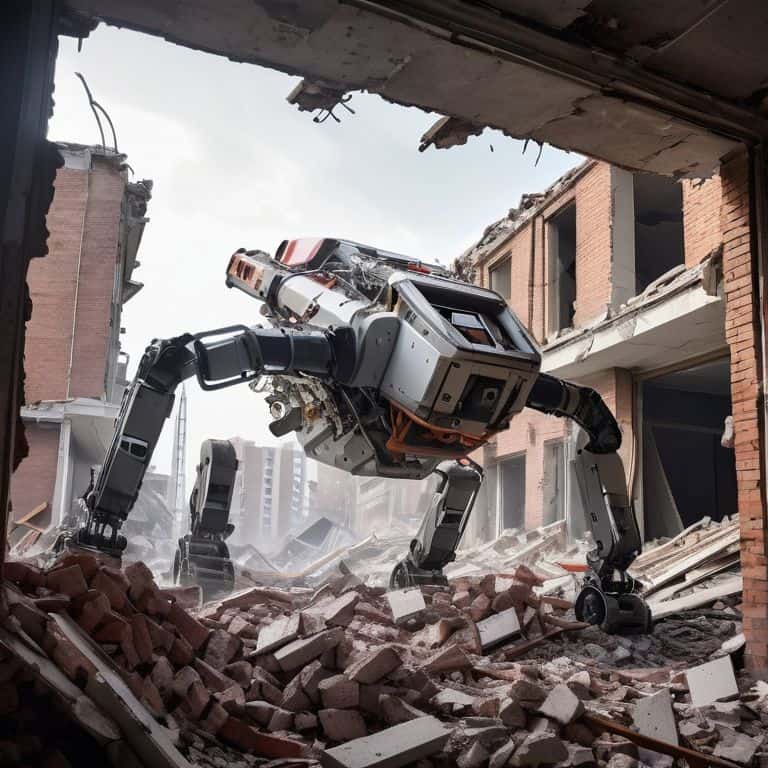
As I delved into the world of autonomous disaster response systems, I was struck by the complexity of robotic search and rescue operations. These machines are designed to navigate treacherous terrain, often in the aftermath of a devastating storm or earthquake, to locate and assist those in need. I recall a particular instance where a disaster response team deployed a robot to search for survivors in a collapsed building. The robot’s advanced sensors and agile design allowed it to maneuver through the rubble, providing critical information to the rescue team.
The emergency response robot design is a testament to human ingenuity and the desire to save lives. These robots are equipped with state-of-the-art technology, including GPS, thermal imaging, and communication systems, which enable them to transmit vital information back to the response team. This information is crucial in crisis management, as it allows responders to make informed decisions about where to allocate resources and how to prioritize rescue efforts.
In the realm of disaster recovery robotics technology, researchers are continually pushing the boundaries of what is possible. By developing robots that can assist in robot assisted rescue missions, they are helping to reduce the risk of injury or death for human responders. This technology has the potential to revolutionize the way we respond to disasters, and I am eager to see how it will continue to evolve in the years to come.
Autonomous Search and Rescue Ops
As I reflect on my experiences with disaster response robots, I’m reminded of the autonomous capabilities that enable them to navigate treacherous terrain, often reaching areas inaccessible to human rescue teams. This ability to operate independently is crucial in the immediate aftermath of a disaster, where every minute counts.
In search and rescue operations, robots can be deployed to scan debris-filled areas, detecting signs of life and providing critical information to emergency responders. Their advanced sensors and mapping technology allow them to create detailed maps of the disaster zone, helping to pinpoint locations of trapped survivors and prioritize rescue efforts.
Designing Emergency Response Robots
As I reflect on the evolution of disaster response, I’m reminded of the crucial role that design plays in emergency response robots. The process of creating these machines is a delicate balance between form and function, where every detail can mean the difference between life and death. From the type of materials used to the algorithms that guide their movements, every aspect of their design is meticulously considered to ensure they can withstand the harshest environments and perform their tasks efficiently.
The development of these robots is a testament to human ingenuity, with engineers pushing the boundaries of what is possible to create machines that can navigate the most challenging terrains, providing critical support in the aftermath of disasters.
Disaster Response Robots
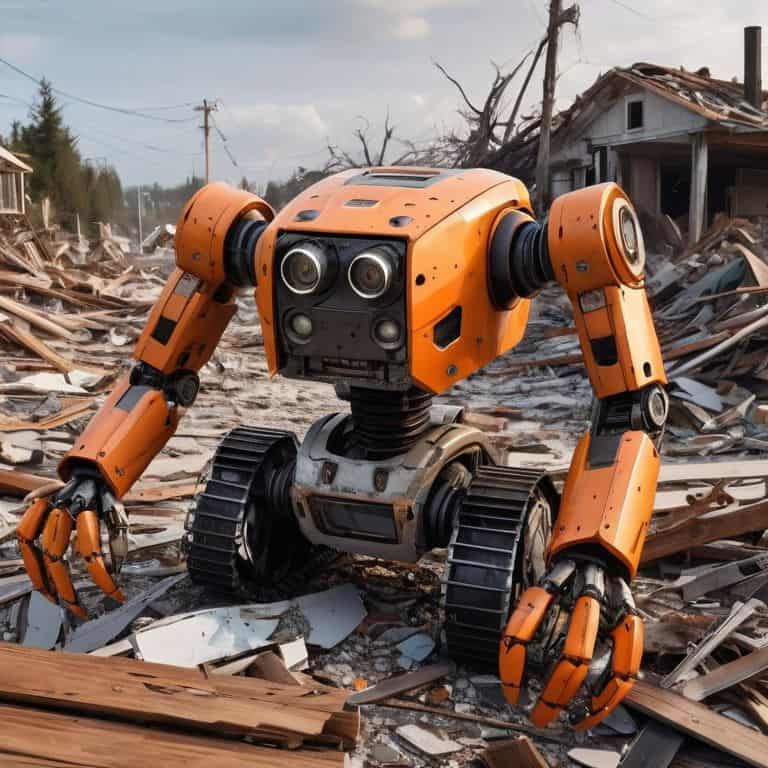
As I delve into the world of autonomous disaster response systems, I’m reminded of the intricate miniature diorama I once built of a coastal town, complete with tiny robots navigating through the wreckage. It’s fascinating to see how robotic search and rescue operations have become a crucial aspect of crisis management. These robots are designed to navigate through rubble and debris, locating survivors and providing critical aid in the aftermath of a disaster.
The design of emergency response robots is a remarkable feat of engineering, with each model carefully crafted to tackle specific challenges. From navigating treacherous terrain to withstanding extreme weather conditions, these robots are the epitome of resilience. I recall a particular story of a robot-assisted rescue mission, where a team of robots worked tirelessly to locate survivors trapped under the rubble of a collapsed building. It’s heartening to see how disaster recovery robotics technology is being harnessed to save lives and rebuild communities.
As I continue to explore the realm of robotic search and rescue operations, I’m struck by the importance of crisis management robot training. These robots must be able to think on their feet, adapting to ever-changing situations and making split-second decisions to ensure the safety of those in need. It’s a truly remarkable field, one that holds immense promise for the future of disaster response and recovery.
Crisis Management Robot Training
As I delve into the world of crisis management, I’m reminded of the intricate miniature diorama I once built of a disaster response scene. It was a delicate balance of chaos and order, with tiny robots navigating through the wreckage. This balance is crucial in real-life crisis management, where robots are trained to respond to emergencies with precision and speed.
In training these robots, simulated environments play a vital role. By recreating disaster scenarios, developers can test and refine the robots’ abilities, ensuring they’re equipped to handle the unexpected. This training is essential for effective crisis management, and I’ve seen it in action, from earthquakes to hurricanes, where robots have made a significant difference in rescue efforts.
Recovery Robotics Technology Advances
As I reflect on the evolution of disaster response, I’m reminded of the cutting-edge innovations that have transformed the field. Recovery robotics technology has made significant strides, enabling teams to respond more effectively to crises. With the integration of advanced sensors and AI, robots can now navigate complex disaster scenarios with greater precision.
The impact of artificial intelligence on recovery efforts cannot be overstated. By leveraging machine learning algorithms, robots can analyze data from previous disasters, informing their response to new crises and enhancing their ability to adapt to unforeseen challenges.
Navigating the Future of Emergency Response: 5 Key Tips for Disaster Response Robots
- I recall the first time I witnessed a disaster response robot in action – it was like seeing a beacon of hope in the midst of chaos, and it made me realize the importance of having a clear communication protocol in place to ensure seamless human-robot collaboration
- Designing robots with adaptability in mind is crucial, as they must be able to navigate through debris and rubble to reach those in need, much like the intricate paths I weave in my miniature dioramas
- Training robots to detect and respond to various types of disasters, from earthquakes to hurricanes, is vital for effective crisis management, and it’s a topic that I’ve found fascinating in my travels and research
- Staying at the forefront of recovery robotics technology advances, such as AI-powered damage assessment and autonomous debris removal, can significantly enhance disaster response efforts and minimize the risk of further damage
- Implementing robust testing and simulation protocols to prepare robots for the unpredictable nature of disasters is essential, as it allows us to anticipate and prepare for the unexpected, much like the unpredictable tides of my coastal hometown
Key Takeaways: Charting the Future of Disaster Response
I’ve learned that disaster response robots are revolutionizing the way we approach emergency situations, with their ability to navigate treacherous terrain and provide critical support to search and rescue teams, much like the stories of maritime rescue I heard growing up in my coastal town
Through my exploration of autonomous search and rescue operations, I’ve discovered that designing emergency response robots requires a deep understanding of the complex challenges they’ll face in the field, from rubble-strewn landscapes to treacherous weather conditions, and that their development is an intricate process, much like building a miniature diorama of a disaster response scene
As I continue to navigate the world of disaster response robots, I’m struck by the rapid advances in recovery robotics technology, and the crucial role that crisis management robot training plays in ensuring these machines can effectively respond to emergencies, pointing me towards a future where robots and humans work together in perfect harmony, as my trusty compass points me towards the next great story
Reflections on Resilience
As I’ve witnessed disaster response robots in action, I’ve come to realize that their true strength lies not in their metallic bodies, but in their ability to embody the resilience of the human spirit – a testament to our capacity to adapt, to innovate, and to care for one another in the face of adversity.
Steven Wells
Charting a New Course: The Future of Disaster Response
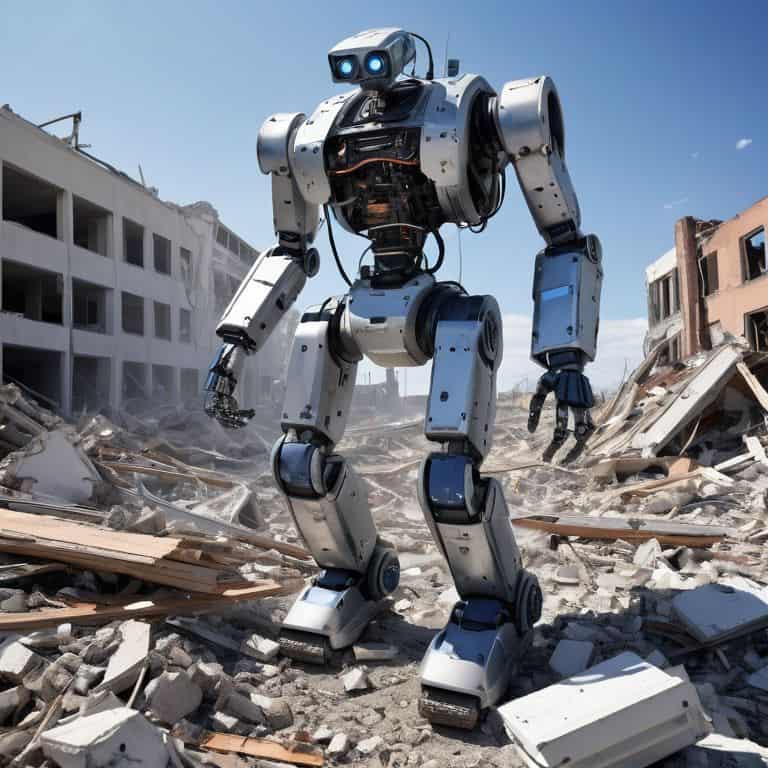
As I reflect on the role of disaster response robots, it’s clear that their impact extends far beyond the immediate aftermath of a crisis. From autonomous search and rescue operations to the development of advanced recovery robotics technology, these machines are redefining the way we respond to and recover from disasters. By navigating the most turbulent of situations, they are providing critical support to those in need, and paving the way for a new era of disaster response. Whether it’s through crisis management robot training or the design of emergency response robots, the field is constantly evolving to meet the challenges of a rapidly changing world.
As we look to the future, it’s inspiring to think about the potential of disaster response robots to bridge the gap between disaster and recovery. By leveraging the power of technology and the compassion of human ingenuity, we can create a world where disaster response is not just about mitigation, but about building resilient communities that can thrive in the face of adversity. As I hold my weathered compass, I am reminded that the true north of our endeavor is not just about navigating the challenges of disaster response, but about charting a new course for a brighter, more compassionate future.
Frequently Asked Questions
How do disaster response robots navigate through rubble and debris to locate survivors?
I’ve witnessed these robots in action, and it’s astounding. They use advanced sensors, like lidar and infrared, to map their surroundings and detect human signs, such as heartbeat or breathing. This tech allows them to carefully pick through rubble, avoiding hazards while homing in on survivors, and it’s a testament to human ingenuity in the face of disaster.
What kind of sensors and technology do disaster response robots use to detect and respond to different types of disasters?
As I delve into the world of disaster response robots, I’m fascinated by the array of sensors and technologies they employ to detect and respond to diverse disasters. From thermal imaging and gas detectors to seismic sensors and advanced GPS, these robots are equipped to navigate and mitigate a wide range of crisis situations, leveraging cutting-edge tech to save lives.
Can disaster response robots be used in conjunction with human rescue teams to enhance the effectiveness of search and rescue operations?
I’ve seen firsthand how disaster response robots can seamlessly integrate with human rescue teams, amplifying their efforts and saving precious time. By leveraging robots’ unique capabilities, such as navigating rubble or detecting vital signs, human teams can focus on high-risk tasks, creating a powerful synergy that enhances the overall effectiveness of search and rescue operations.