By Lucas Thompson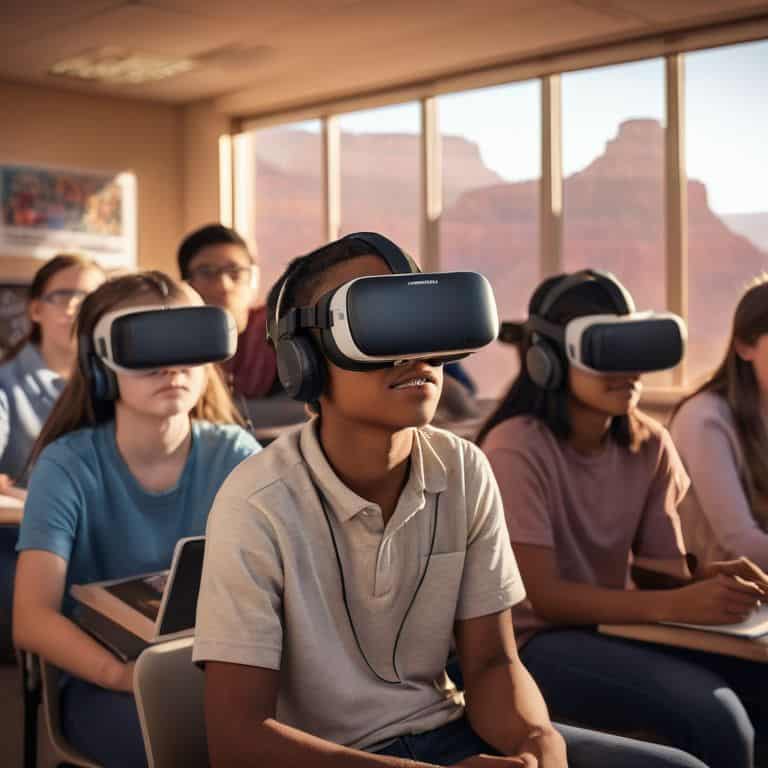
I still remember the first time I witnessed VR in education in action – it was like stepping into a time machine, where the lines between the physical and digital worlds blurred. The excitement in the air was palpable, as students explored historical sites and interacted with complex concepts in a fully immersive environment. However, as I delved deeper, I began to notice a disconnect between the hype and the reality of implementing VR in classrooms. It seemed like everyone was talking about the potential, but few were addressing the practical challenges and misconceptions surrounding this technology.
As someone who’s passionate about demystifying technology, I want to cut through the noise and provide you with a no-nonsense look at VR in education. In this article, I’ll share my personal experiences, highlighting the key benefits and pitfalls to watch out for when integrating VR into your educational setting. My goal is to empower you with practical insights, so you can make informed decisions about how to harness the power of VR to enhance student learning outcomes. Whether you’re an educator, administrator, or simply someone curious about the future of education, I invite you to join me on this journey as we explore the real potential of VR in education.
Table of Contents
Revolutionizing Vr in Education
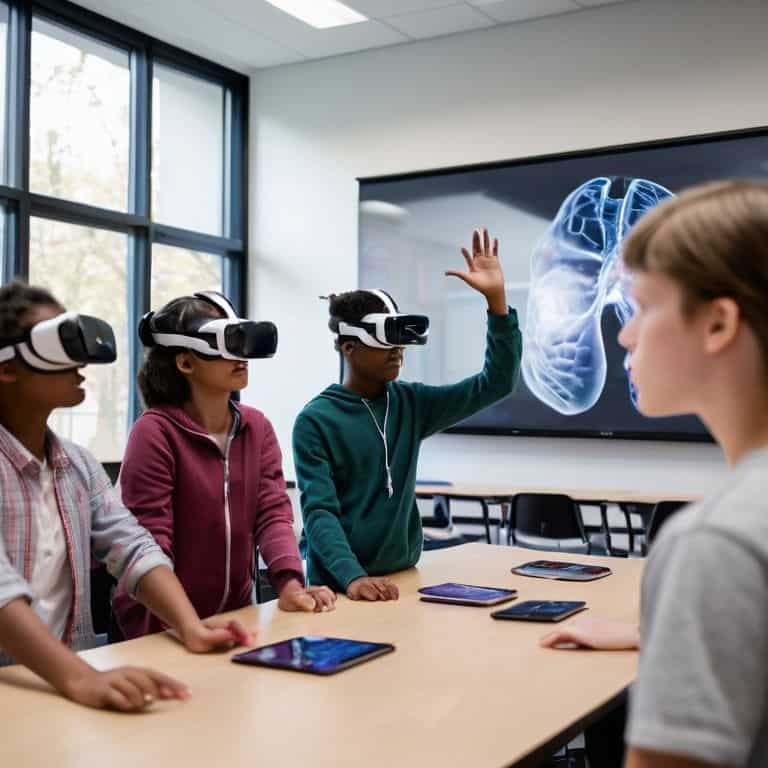
As I delve into the world of virtual reality field trips, I’m reminded of my own experiences as a student, where learning was often limited to textbooks and lectures. But now, with the advent of immersive technologies, students can explore historical sites, visit distant planets, or even dive into the human body, making learning a truly interactive experience. This shift towards experiential learning is not only engaging but also helps students retain information better.
The development of vr based learning platforms has been a game-changer in this regard. These platforms provide a comprehensive and structured approach to learning, allowing teachers to create customized lesson plans and track student progress. Moreover, they offer a range of educational vr content creation tools, enabling educators to develop their own interactive content. This has opened up new avenues for augmented reality in classrooms, where students can learn by doing, rather than just reading or listening.
One area that holds tremendous promise is the use of VR in special education. By providing a safe and controlled environment, VR can help students with disabilities overcome challenges and develop new skills. Additionally, vr training for teachers is becoming increasingly important, as it enables educators to effectively integrate VR into their teaching practices and maximize its benefits. As we continue to push the boundaries of what’s possible with VR, I’m excited to see the impact it will have on the future of learning.
Future Forward Vr Based Learning Platforms
As I delve into the world of VR in education, I’m excited to explore cutting-edge platforms that are redefining the learning experience. These innovative tools are not only making education more engaging but also providing students with a unique perspective on complex topics.
With immersive simulations, students can now interact with virtual labs, historical events, and even distant planets in a highly interactive and memorable way. This approach to learning is not only fun but also enhances retention and understanding, making it a game-changer for the future of education.
Retro Revival Virtual Reality Field Trips
As I reflect on my own school days, I realize that field trips were always a highlight – and now, virtual reality is making it possible for students to explore even more destinations without leaving the classroom. This immersive experience is not only cost-effective but also allows for a more engaging and interactive learning environment.
With virtual reality field trips, students can visit historical sites, explore the human body, or even travel to space, all from the comfort of their own school. The use of _retro-futuristic_ elements in these experiences can also add a fun and nostalgic touch, making learning a truly enjoyable experience.
Empowering Educators With Vr
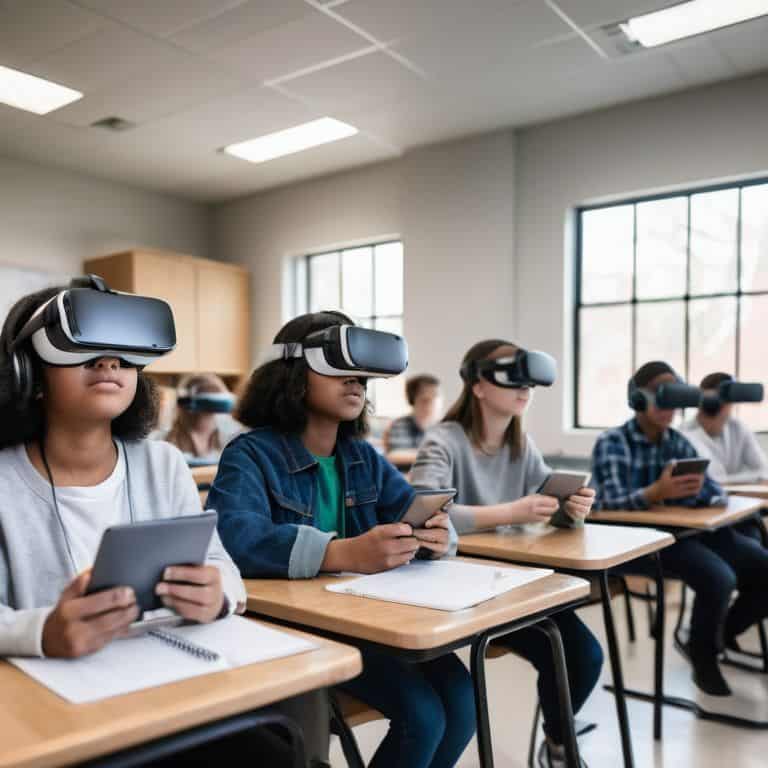
As I reflect on my experiences with virtual reality field trips, I’m reminded of the immense potential they hold for transforming the educational landscape. By providing educators with the tools and training to effectively integrate VR into their curricula, we can empower them to create truly immersive learning environments. This, in turn, can lead to increased student engagement and better retention of complex concepts.
One area that holds particular promise is educational VR content creation. By giving educators the ability to craft customized VR experiences tailored to their specific teaching needs, we can help ensure that students receive a more personalized and effective education. This might involve creating interactive 3D models, simulated labs, or even virtual workshops – the possibilities are endless, and the potential for innovation is vast.
As we move forward, it’s essential that we prioritize vr training for teachers, providing them with the skills and confidence they need to harness the full potential of VR in the classroom. By doing so, we can unlock a new era of interactive, immersive learning that prepares students for success in an increasingly complex and interconnected world. With the right support and resources, educators can become the catalysts for a revolution in education, one that leverages the power of VR to create a brighter, more enlightened future for all.
Augmented Reality in Classrooms Unleashed
As I reflect on my own experiences with innovative tech, I’m excited to see how augmented reality is transforming the classroom experience. By overlaying digital information onto the real world, students can engage with complex concepts in a more tangible way. I recall a recent visit to a school where students were using AR to explore the human body, and it was amazing to see how this technology sparked their curiosity.
The potential for interactive learning is vast, and I’m eager to see how educators will continue to leverage AR to create immersive experiences. Whether it’s through 3D models, virtual labs, or collaborative projects, AR is poised to revolutionize the way we learn and teach.
Training Teachers for Vr Educational Odyssey
As I reflect on my own experiences with cutting-edge tech, I realize that effective teacher training is crucial for a seamless integration of VR in education. It’s not just about introducing new tools, but also about fostering a mindset shift among educators to fully leverage the potential of virtual reality.
To embark on this VR educational odyssey, teachers need to be equipped with the skills to design and implement immersive lesson plans, ensuring a cohesive learning experience for their students.
5 Key Takeoffs for Blasting VR into Education
- I still recall my first drone flight, and now I see a similar thrill in students’ eyes when they embark on VR field trips – it’s about making learning an adventure!
- Future-proof your classroom with VR-based learning platforms that make complex concepts a breeze to grasp, and watch your students’ engagement soar like my trusty drone on a sunny day!
- Empower educators to unleash the full potential of VR by providing them with the right tools and training – it’s like fine-tuning my drone for optimal flight, every detail matters!
- Get ready to revolutionize the way students interact with course material by incorporating immersive VR experiences that make learning fun and interactive, just like flying a drone through a obstacle course!
- Join the VR education revolution by staying updated on the latest trends and innovations, and who knows, you might just find yourself at the forefront of a learning revolution that’s about to change the game – just like how drones changed my hobby forever!
Key Takeaways: Harnessing VR in Education
I’m thrilled to see how VR field trips are bringing retro cool to the classroom, making learning more immersive and interactive than ever, and I believe this is just the beginning of a revolution in education
By embracing VR-based learning platforms and empowering educators with the right tools and training, we can create a future where every student has access to a world-class education, no matter their geographical location
As I look to the future, I’m excited to see how the fusion of virtual and augmented reality will continue to transform the educational landscape, making it more engaging, effective, and fun for both students and teachers alike
Rewiring the Future
As we harness the power of VR in education, we’re not just teaching students – we’re igniting a curiosity that will propel them into a future where the boundaries of reality are endless, and the possibilities are limited only by their imagination.
Lucas Thompson
Embracing the Virtual Frontier
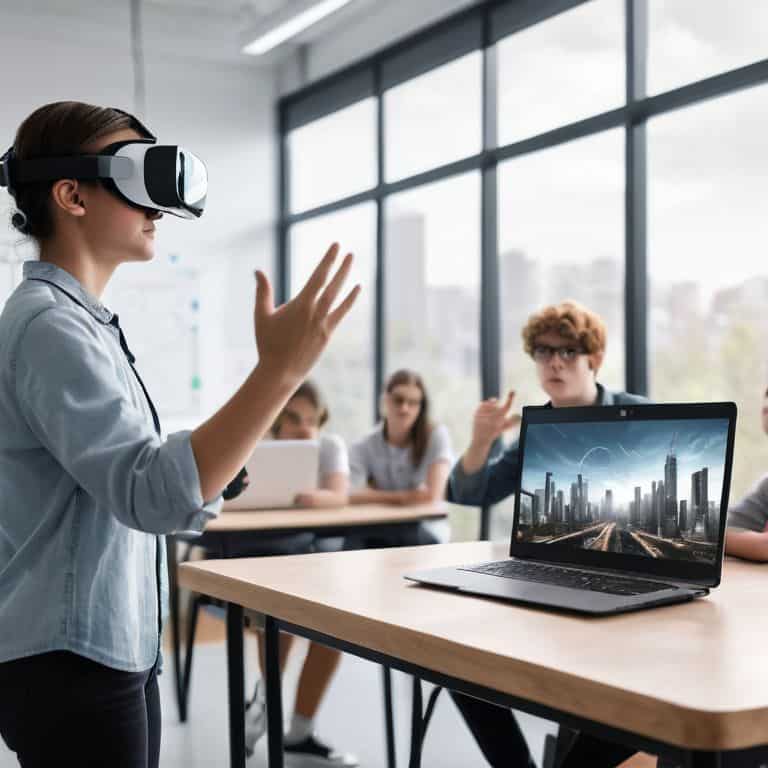
As I reflect on the journey of VR in education, it’s clear that we’ve only scratched the surface of what’s possible. From retro revival virtual reality field trips to future forward VR-based learning platforms, and from empowering educators with augmented reality to training teachers for a VR educational odyssey, the landscape of learning is being reshaped. The key to unlocking this potential lies in making these technologies accessible and understandable for everyone, which is why I’m passionate about demystifying them.
As we stand at the threshold of this new era, I believe that embracing the unknown with curiosity and enthusiasm is crucial. By doing so, we can revolutionize the way we learn, making education more immersive, interactive, and exciting for generations to come. The future of VR in education is not just about technology; it’s about the people and the experiences that make learning a lifelong, thrilling adventure.
Frequently Asked Questions
How will VR field trips be made accessible to schools with limited budgets?
I’m excited to share that many organizations are now offering subsidized VR kits and free educational content, making it possible for budget-constrained schools to embark on virtual field trips. Some companies even provide grant programs to support underfunded schools, bridging the gap and bringing immersive learning to all.
What kind of training and support will teachers need to effectively integrate VR into their lesson plans?
To effectively integrate VR, teachers will need training on VR hardware, software, and curriculum design, as well as ongoing support to ensure seamless implementation and troubleshooting – think of it as a “flight school” for educators, where they can learn to navigate and leverage VR technology to elevate their teaching.
Can VR-based learning platforms be adapted to accommodate students with different learning styles and abilities?
I’m excited to say that VR-based learning platforms are being designed to be highly adaptable, catering to different learning styles and abilities. Developers are incorporating features like adjustable difficulty levels, multisensory engagement, and even AI-driven personalized learning paths to ensure every student can thrive in these immersive environments.