By Steven Wells
As I sat in my cozy coastal cottage, surrounded by navigational maps and tales of the sea, I found myself pondering the age-old debate: smart TVs vs projectors. It’s a choice that has plagued many a home theater enthusiast, and one that I’ve grappled with myself. I recall the countless nights I spent in small, dimly lit cafes in Southeast Asia, watching old travel films on makeshift projectors, feeling as though I was transported to a different world. But as I’ve settled into my own home, I’ve begun to wonder: which is the better choice for an immersive cinematic experience?
In this article, I promise to provide you with honest, experience-based advice on the smart TVs vs projectors dilemma. I’ll draw from my own experiences as a travel journalist, where I’ve had the chance to test out various home theater setups in different environments. I’ll cut through the hype and provide you with a no-nonsense comparison of the two, highlighting the key factors to consider when making your decision. Whether you’re a fellow traveler or simply a home theater enthusiast, I invite you to join me on this journey as we navigate the complexities of smart TVs vs projectors and discover the perfect fit for your cinematic adventures.
Table of Contents
Smart TVs
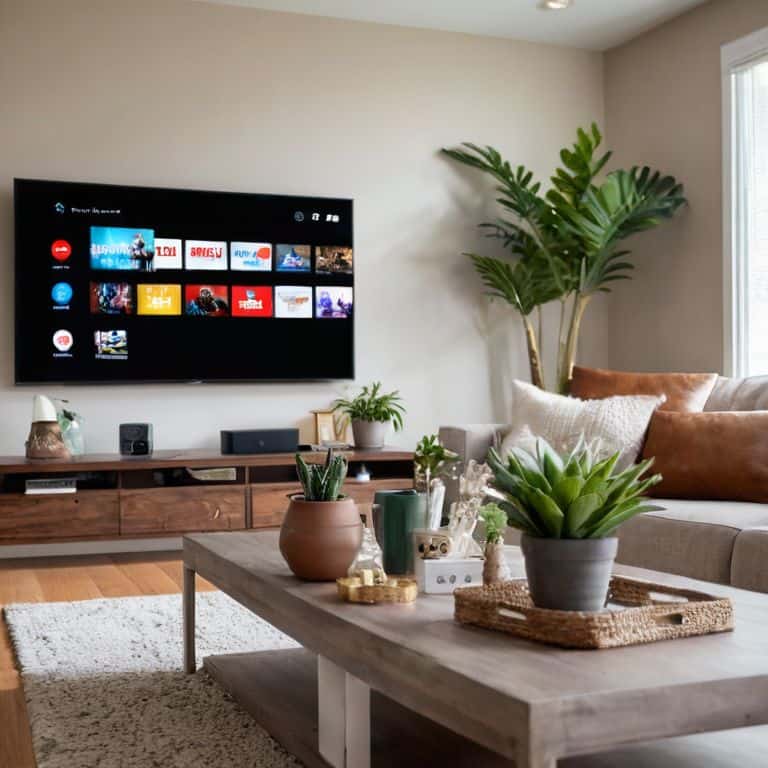
A smart TV is a type of television that integrates internet connectivity and supports various streaming services, allowing users to access a wide range of content, including movies, TV shows, and music, through platforms like Netflix and Hulu. Its core mechanism relies on a built-in operating system that enables users to download and install apps, providing an enhanced viewing experience with features like voice control and personalized recommendations. The main selling point of smart TVs is their ability to offer a seamless and convenient entertainment experience, making them a popular choice for many consumers.
As someone who’s always been fascinated by the way technology can enhance our daily lives, I believe that smart TVs have revolutionized the way we consume media. I recall spending hours in my coastal cottage, binge-watching my favorite travel shows on a smart TV, feeling as though I was exploring new destinations from the comfort of my own home. The ability to access a vast library of content with just a few clicks has made it easier for me to discover new stories and inspire my own travels, and I think that’s what makes smart TVs so appealing to many people.
Projectors
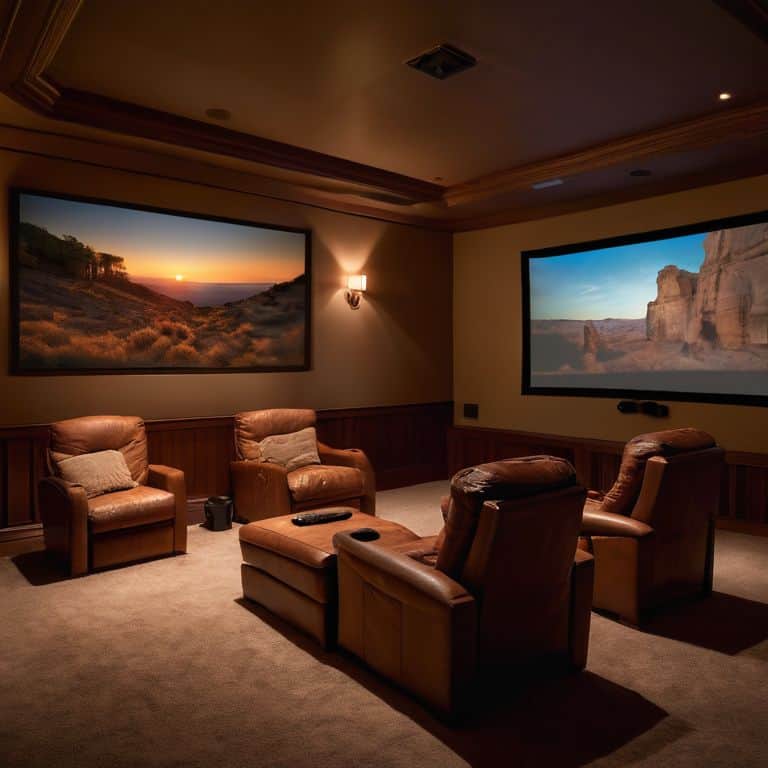
A projector is an optical device that projects images or videos onto a screen or surface, using a light source and a digital imaging system to produce a large and immersive visual experience, often used in home theaters and presentation settings. Its core mechanism involves focusing light through a lens to create an image, which can be adjusted to suit different screen sizes and environments. The main selling point of projectors is their ability to provide a cinematic experience in the comfort of one’s own home, making them a popular choice for movie enthusiasts and gamers.
As a travel journalist, I’ve had the opportunity to attend outdoor movie screenings in various locations around the world, and I can attest to the magic of watching a movie under the stars. Projectors have the ability to recreate that experience in our own homes, allowing us to feel as though we’re part of a larger story. I think that’s what draws people to projectors – the possibility of creating a unique viewing experience that combines technology and imagination to transport us to new and exciting worlds.
Head-to-Head Comparison: Smart TVs vs Projectors
| Feature | Smart TVs | Projectors |
|---|---|---|
| Price | $500-$2,000 | $500-$5,000 |
| Key Feature | Built-in streaming, voice control | Large screen size, portability |
| Best For | Small to medium rooms, everyday use | Large rooms, presentations, gaming |
| Image Quality | 4K, HDR, good brightness | 4K, HDR, variable brightness |
| Installation | Simple, plug-and-play | Requires setup, calibration |
| Content Availability | Built-in apps, streaming services | Requires external devices for streaming |
| Space Requirements | Minimal, wall-mounted option | More space needed, screen required |
Navigating Smart Tvs vs Projectors
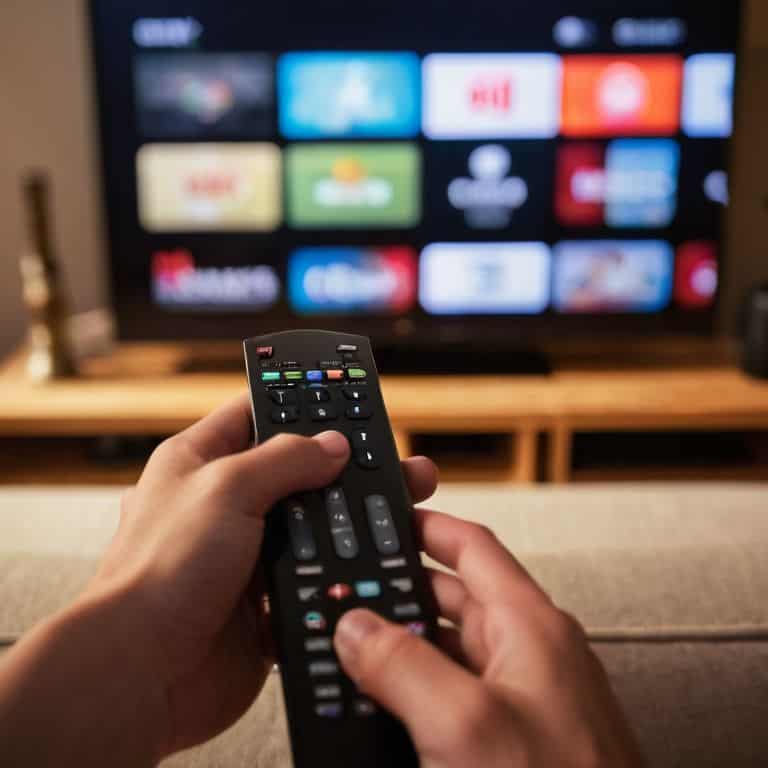
As I delve into the world of home entertainment, I find myself pondering the significance of navigation in the smart TVs vs projectors debate. Why does it matter, you ask? Well, a seamless user experience can make all the difference in our evening storytelling sessions, and _intuitive navigation_ is key to unlocking that magic.
When it comes to navigating smart TVs, I’ve found that most models offer a relatively straightforward experience, with _menu systems_ that are easy to grasp. However, some projectors can be a bit more clunky in this regard, requiring users to navigate through a series of menus just to access basic functions. On the other hand, some high-end projectors boast streamlined interfaces that rival those of smart TVs.
In the end, I’d say that smart TVs have a slight edge when it comes to navigation, thanks to their more responsive and _user-friendly_ interfaces. While projectors are catching up, they still have a way to go in terms of providing a seamless navigation experience.
Voyager's Verdict: 3 Key Takeaways
As I reflect on my journey through the realm of smart TVs and projectors, I’ve come to realize that the choice between these two ultimately depends on the kind of cinematic experience you’re aiming to create in your home – whether you’re a fan of immersive, large-scale projections or the sleek, interactive world of smart TVs.
From a navigator’s perspective, I’ve found that smart TVs offer a more straightforward, user-friendly experience, with built-in streaming capabilities and voice control, whereas projectors require a bit more setup and calibration, but offer unparalleled flexibility in terms of screen size and portability.
Perhaps the most important lesson I’ve learned from charting these cinematic seas is that, whether you opt for a smart TV or a projector, the true magic lies not in the technology itself, but in the stories it helps you tell – and the sense of wonder it inspires in all who gather ’round to watch.
Charting the Perfect View
The choice between smart TVs and projectors is not just about technology, but about the kind of stories you want to tell in the comfort of your own home – do you want a window to the world, or a canvas that stretches beyond the walls?
Steven Wells
The Final Verdict: Which Should You Choose?
As I reflect on my journey comparing smart TVs and projectors, it’s clear that both have their unique strengths and weaknesses. The key to choosing between them lies in understanding your specific needs and preferences. For instance, if you prioritize ease of use and a more traditional viewing experience, smart TVs might be the way to go. On the other hand, if you’re looking for a more immersive experience with flexibility in terms of screen size and portability, projectors could be your best bet.
Ultimately, the overall winner depends on the type of user you are. If you’re a casual viewer who values simplicity and doesn’t mind a fixed screen size, a smart TV is likely your best choice. However, if you’re an avid gamer or someone who loves to host movie nights and wants the ability to adjust the screen size to fit your audience, a projector is the way to go. For me, the freedom to create an immersive experience anywhere, anytime, makes projectors a compelling option, but at the end of the day, it’s about choosing the technology that best fits your lifestyle and viewing habits.
Frequently Asked Questions
What are the key differences in picture quality between smart TVs and projectors?
As I adjusted the focal length on my grandfather’s old projector, I realized that picture quality is where smart TVs and projectors truly diverge. Smart TVs boast vibrant, high-contrast displays, while projectors rely on ambient light and screen quality, often resulting in a softer, more cinematic image – a trade-off that’s perfect for my miniature diorama viewing sessions.
How do smart TVs and projectors compare in terms of cost and overall value?
As I ponder the purse strings, I find that smart TVs often come with a higher upfront cost, while projectors can be more budget-friendly, especially when factoring in the long-term value of replaceable lamps and versatile setup options.
Can smart TVs and projectors be used in the same setup, or are they mutually exclusive options?
As I pondered this question, my grandfather’s compass spinning idly in my hand, I realized that smart TVs and projectors aren’t mutually exclusive. In fact, they can complement each other beautifully, with the TV handling everyday viewing and the projector reserved for immersive cinematic experiences or large-scale presentations.