By Joseph Goto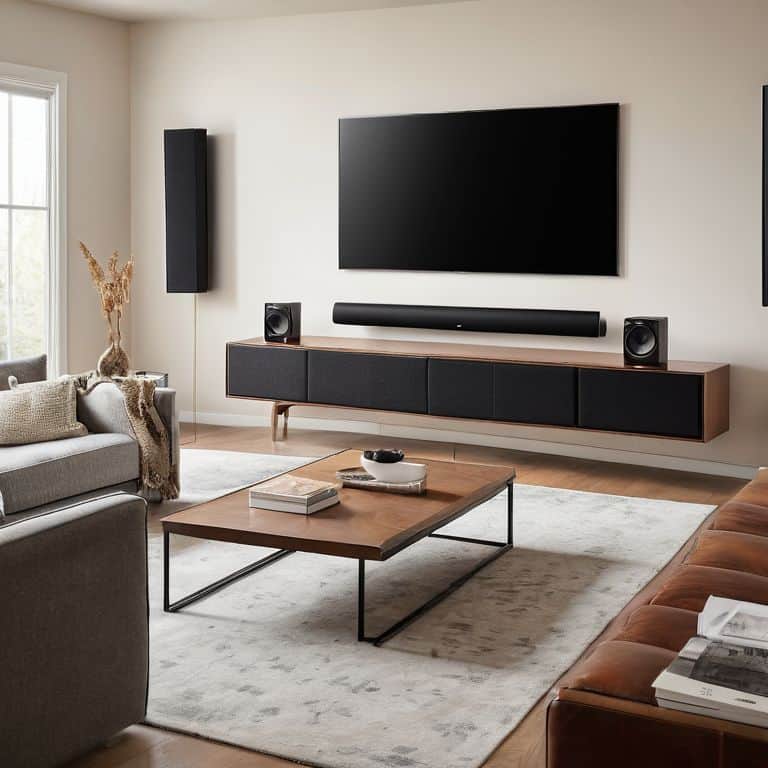
As I sit amidst the whispers of vintage speakers and the soft glow of antique amplifiers, I’m reminded that setting up a home theater sound system setup is akin to crafting a time capsule – you want every element to harmonize in a beautiful symphony that transports you to a bygone era, where the love for storytelling and music was palpable. I recall the countless afternoons spent in my family’s hardware store, surrounded by forgotten relics, and my grandmother’s eccentric art studio, where imagination knew no bounds. It’s this blend of nostalgia and inventiveness that drives my approach to DIY projects, including the art of sound system design.
In this guide, I promise to share practical advice and honest insights on how to create a captivating home theater experience. You won’t find any generic, one-size-fits-all solutions here; instead, I’ll walk you through the process of carefully selecting and placing each component, from speakers to amplifiers, to create a unique sonic tapestry that resonates with your personal story. By the end of this journey, you’ll be equipped with the knowledge to transform your living space into a warm, inviting sanctuary where memories are made, and the boundaries between past and present blur beautifully.
Table of Contents
- Guide Overview: What You'll Need
- Step-by-Step Instructions
- Whispers of Cinema
- Tuning the Time Machine: 5 Key Tips for a Harmonious Home Theater Sound System Setup
- Timeless Harmonies: 3 Key Takeaways for Your Home Theater Sound System
- Echoes of Perfection
- Echoes of a Timeless Theater
- Frequently Asked Questions
Guide Overview: What You'll Need
Total Time: 4 hours 30 minutes
Estimated Cost: $500 – $2000
Difficulty Level: Intermediate
Tools Required
- Drill (with screwdriver and drill bits)
- Level (laser or bubble)
- Measuring Tape (25 feet long)
- Pliers (needle-nose)
- Screwdriver (flathead and Phillips)
- Wire Strippers (for 18-gauge wire)
- Cable Ties (assorted sizes)
Supplies & Materials
- Home Theater Receiver (5.1 or 7.1 channels)
- Speakers (5 or 7, including subwoofer)
- HDMI Cables (6 feet long, 2-3 pieces)
- Speaker Wire (18-gauge, 50 feet long)
- Subwoofer Cable (RCA or LFE, 6 feet long)
- Soundproofing Materials (acoustic panels, 2 inches thick, 2×2 feet size)
Step-by-Step Instructions
- 1. First, let’s start by assessing the space where our home theater sound system will come to life. As I always say, the room itself is an instrument, and understanding its acoustics is crucial. Take note of the dimensions, the materials used for the walls, floor, and ceiling, and the location of any windows or doors. This will help us decide on the best placement for our speakers and other components.
- 2. Next, we need to choose our components wisely. This includes selecting the right amplifier, speakers, subwoofer, and any additional equipment like a sound processor or equalizer. I find that mixing vintage pieces with modern technology creates a unique sound signature that’s both nostalgic and cutting-edge. For instance, pairing vintage speakers with a modern amplifier can produce a sound that’s both warm and crisp.
- 3. Now, let’s talk about cable management. This is often overlooked, but it’s essential for both safety and aesthetics. We want our setup to look like a work of art, not a tangled mess. Invest in high-quality cables, and consider using cable ties or a cable management system to keep everything organized and out of sight. Remember, the goal is to create a seamless experience, not a cluttered one.
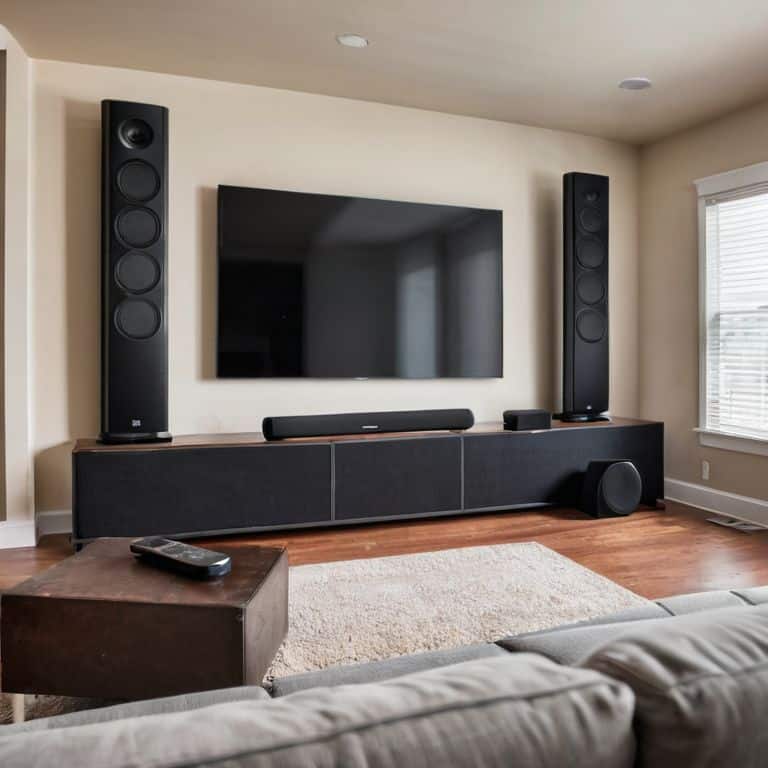
- 4. With our components and cables ready, it’s time to position our speakers. The placement of our speakers can dramatically affect the sound quality. As a rule of thumb, our front left and right speakers should be placed at ear level, angled inward toward the listening position. The center channel speaker should be placed below or above the screen, and the surround speakers should be placed to the sides or rear of the listening area.
- 5. The subwoofer placement is also critical, as it can significantly impact the bass response. Unlike our other speakers, the subwoofer can be more flexible in terms of placement, but it’s generally best to place it in a corner or against a wall to enhance the bass response. Experiment with different placements to find the spot that produces the best sound for your space.
- 6. Once our speakers are in place, we can move on to calibrating the system. This involves adjusting the levels, crossover frequencies, and delays to ensure that all components are working together in harmony. It’s a bit like tuning a musical instrument; we need to find the right balance to bring out the full potential of our sound system. Use a calibration disc or a sound meter to help you fine-tune the settings.
- 7. Finally, let’s not forget about soundproofing. While it might not be feasible to soundproof the entire room, taking steps to reduce echo and external noise can greatly enhance our listening experience. Consider adding acoustic panels to the walls and ceiling, and use door sweeps or weatherstripping to seal any gaps. By minimizing external interference, we can create a more immersive experience that draws us into the story unfolding on screen.
Whispers of Cinema
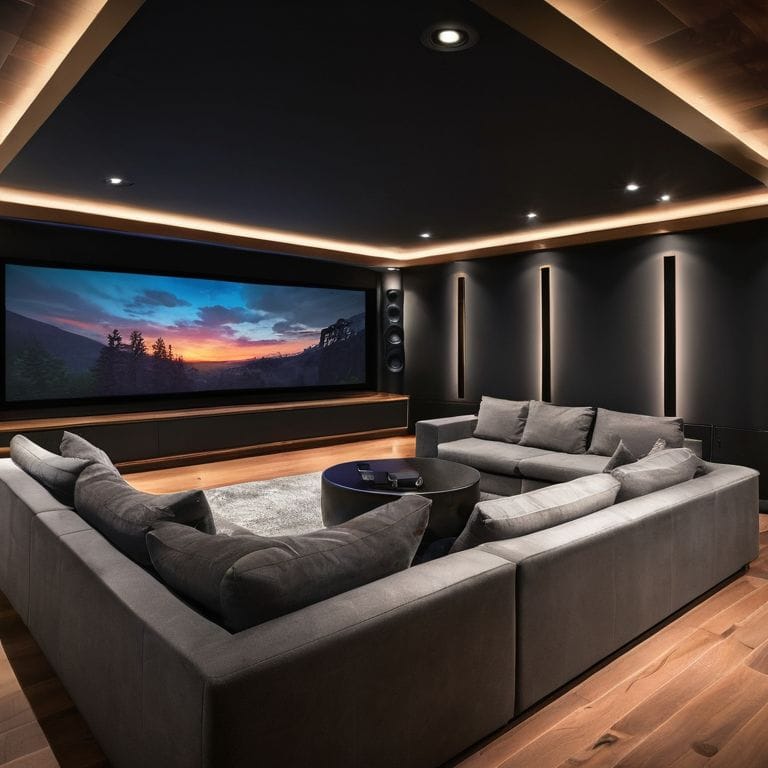
As I delve into the world of cinematic sound, I’m reminded of the importance of immersive audio. To achieve this, consider investing in a Dolby Atmos speaker setup, which can transport you to new dimensions with its three-dimensional soundscapes. When selecting speakers, think about the acoustic landscape of your room and how sound waves will interact with the space.
In the pursuit of perfect sound, soundproofing a home theater room is often overlooked, yet it’s a crucial step in minimizing echo and external noise. By doing so, you’ll be able to fully appreciate the nuances of your favorite films. I recall a project where I used vintage materials to create a unique soundproofing solution, blending functionality with a touch of nostalgia.
To bring your cinematic experience to life, pair your sound system with a 4k home theater projector. The combination of crisp visuals and rich audio will leave you enchanted. When it comes to home theater calibration tips, remember that patience is key. Take the time to fine-tune your settings, and you’ll be rewarded with a truly unforgettable viewing experience.
Calibrating Dolby Atmos Speaker Setup
As I delicately adjust the Dolby Atmos speakers, I’m reminded of the intricate dance between sound and space. It’s akin to tuning a vintage clock, where every cog and gear must harmonize to create a symphony of time. In this case, the objective is to envelop the listener in a three-dimensional soundscape, where whispers of dialogue and rustling leaves seem to emanate from all directions. I find myself lost in the process, sketching out speaker placement with my trusty vintage fountain pen, as the room transforms into a cinematic canvas.
With each tweak, the audio landscape shifts, and I’m transported to a bygone era of cinematic magic. The calibration process becomes a labor of love, a testament to the power of sound to evoke emotions and conjure memories. As the speakers come alive, I’m filled with a sense of nostalgia, recalling afternoons spent in my family’s hardware store, surrounded by the forgotten relics of a bygone age.
Vintage Vibes in Wireless Home Theater Systems
As I delve into the realm of wireless home theater systems, I find myself enchanted by the prospect of blending vintage charm with modern convenience. The soft hum of antique radios and the warm glow of retro speakers seem to whisper tales of a bygone era, where the love for storytelling and music was palpable. I envision a system where vintage-inspired speakers, with their rich, wooden tones and ornate details, seamlessly integrate with the latest wireless technology, creating an immersive experience that transports listeners to a different time.
In this harmonious union of old and new, I see an opportunity to craft a unique sonic tapestry, one that weaves together the nostalgic appeal of vintage audio equipment with the effortless connectivity of modern wireless systems. By incorporating elements like retro-style speaker grills, antique-inspired amplifiers, or even repurposed vintage components, we can infuse our home theater with a sense of history and character, making each listening experience a journey through time.
Tuning the Time Machine: 5 Key Tips for a Harmonious Home Theater Sound System Setup
- Embrace the Beauty of Imperfection: Just as a vintage clock’s character is defined by its worn gears and faded face, a home theater sound system’s uniqueness can be found in the blend of old and new components, so don’t be afraid to mix vintage speakers with modern amplifiers
- Listen to the Room: The acoustics of your home theater are as unique as the story it tells, so take the time to understand how sound waves dance within its walls, and adjust your speaker placement accordingly, for a symphony that resonates deep within your soul
- Unravel the Mystery of Cables: In the era of wireless everything, it’s easy to forget the beauty of tangible connections, so when setting up your home theater, consider the aesthetic appeal of vintage-inspired cables and the stories they tell of a bygone era
- Calibrate with Intention: Setting up a Dolby Atmos speaker system is not just about technical specifications, but about crafting an immersive experience that transports you to new dimensions, so take your time, and let the music be your guide
- Weave a Sonic Tapestry: A home theater sound system is more than just a collection of devices, it’s a narrative of sound and vision, so when selecting your components, consider the story you want to tell, and how each piece contributes to the harmony of the whole, just as a vintage fountain pen adds character to the stories it helps create
Timeless Harmonies: 3 Key Takeaways for Your Home Theater Sound System
Embracing the nostalgia of vintage audio equipment can elevate your home theater experience, as the unique character of antique speakers and amplifiers adds a layer of warmth and storytelling to your soundscapes
Successfully integrating wireless technology with vintage components requires a thoughtful approach to calibration, ensuring that the clarity and depth of modern Dolby Atmos systems are preserved while maintaining the essence of classic cinema
By adopting a narrative approach to your home theater sound system setup, where each component is carefully selected and calibrated to tell a story of its own, you can create an immersive experience that not only delights the senses but also inspires a deeper connection to the music and movies that fill your life
Echoes of Perfection
As we weave the threads of sound and vision into our home theater tapestries, let us remember that the true magic lies not in the technology itself, but in the timeless stories it helps us tell and the memories we create within its immersive embrace.
Joseph Goto
Echoes of a Timeless Theater
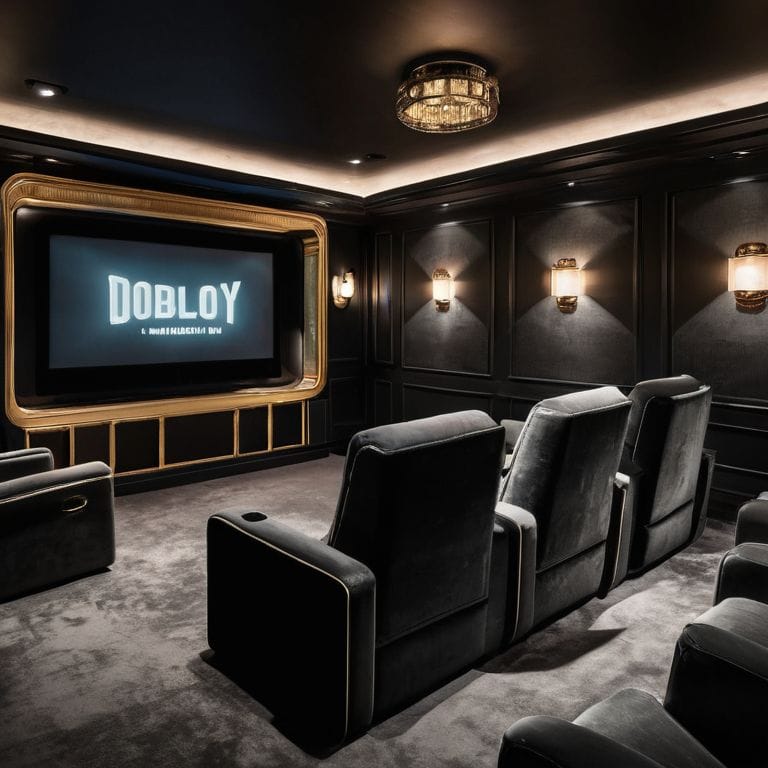
As I reflect on the journey of setting up a home theater sound system, I’m reminded of the harmony that exists between vintage and modern elements. From the initial steps of choosing the right components to the final calibration of a Dolby Atmos speaker setup, each decision is a brushstroke on the canvas of an immersive cinematic experience. The art of storytelling is not just about the film itself, but about the environment in which it’s enjoyed. By incorporating vintage vibes into our wireless home theater systems, we’re not only paying homage to the past but also creating a unique, nostalgic ambiance that enhances the viewing experience.
In the end, the true magic of a home theater sound system setup lies not in the technology, but in the emotional connections it fosters. As you settle into your newly crafted cinematic sanctuary, surrounded by the whispers of vintage speakers and the soft glow of antique amplifiers, remember that the beauty of nostalgia is a powerful catalyst for creativity and connection. May your home theater become a time capsule of memories, where the love for storytelling and music transcends time, inviting all who enter to become a part of its timeless tale.
Frequently Asked Questions
What are the essential components I need to assemble a home theater sound system that captures the nostalgic feel of old cinemas?
To assemble a home theater sound system that echoes the nostalgia of old cinemas, I recommend starting with a vintage-inspired amplifier, a pair of restored speakers, and a classic film projector for an authentic touch.
How do I optimize the placement of speakers in my home theater to achieve an immersive experience reminiscent of vintage movie palaces?
To optimize speaker placement, I consider the room’s acoustics and seating arrangement, much like a conductor orchestrating a symphony. I position speakers to envelop the audience, with surrounds at ear level and subs strategically placed to rumble the floor, evoking the nostalgic grandeur of vintage cinemas.
Can I integrate vintage audio equipment, such as old amplifiers or speakers, into my modern home theater sound system setup without compromising sound quality?
Absolutely, I love blending old with new. Vintage amplifiers and speakers can add warmth and character to your modern home theater sound system. Just ensure proper impedance matching and consider using adapters or pre-amps to optimize performance, and you’ll be weaving a rich sonic tapestry that honors the past while embracing the present.