By Joseph Goto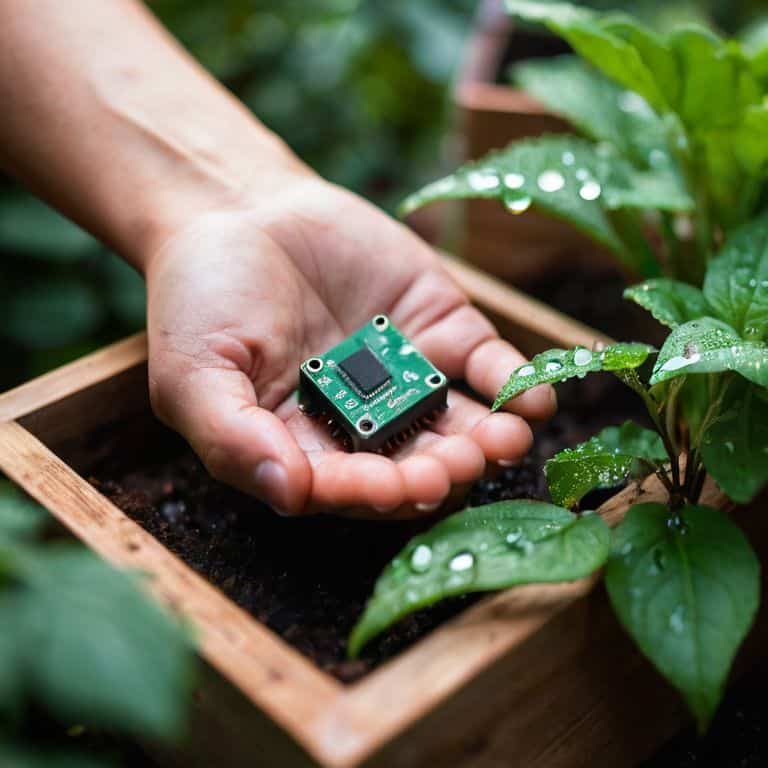
As I sit amidst the whirring of my upcycled clock workshop, surrounded by the gentle ticking of revived timepieces, I often ponder the misconception that DIY Smart Garden Gadgets are overly complex and expensive. This couldn’t be further from the truth. In reality, with a little creativity and the right guidance, anyone can transform their garden into a thriving, high-tech oasis without breaking the bank. I’ve seen it time and time again, from my grandmother’s ingenious use of repurposed materials to my own experiments with smart gardening solutions, that the true beauty of DIY lies not in the technology itself, but in the stories and memories we create through the process.
My goal with this guide is to provide you with practical, hands-on advice for crafting your own DIY Smart Garden Gadgets, stripping away the jargon and focusing on the fun, creative aspects of the process. Within these pages, you’ll discover how to turn everyday items into innovative gardening solutions, from automated watering systems to sensor-activated planters. By the end of this journey, you’ll be equipped with the knowledge and inspiration to breathe new life into your garden, just as I have with my own vintage clock creations. So, let’s embark on this adventure together, and uncover the magic that happens when technology meets nature and a dash of imagination.
Table of Contents
- Guide Overview: What You'll Need
- Step-by-Step Instructions
- Crafting Diy Smart Garden Gadgets
- Tinkering with Timelessness: 5 Essential Tips for DIY Smart Garden Gadgets
- Timeless Wisdom: 3 Key Takeaways from My DIY Smart Garden Gadget Journey
- Tinkering with Time and Nature
- Embracing the Future of Gardening
- Frequently Asked Questions
Guide Overview: What You'll Need
Total Time: 4 hours 30 minutes
Estimated Cost: $50 – $100
Difficulty Level: Intermediate
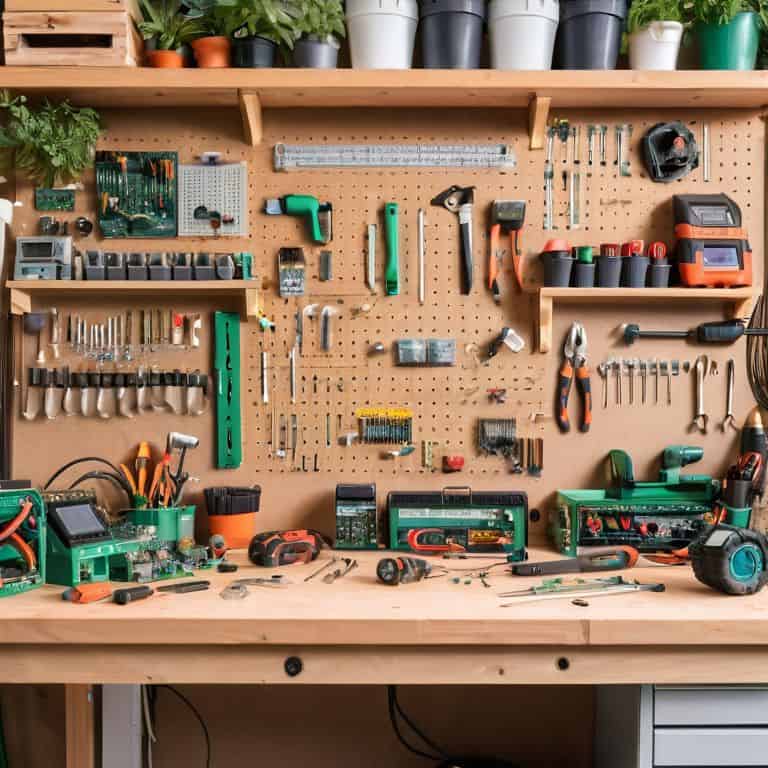
Tools Required
- Drill Press (with various drill bits)
- Jigsaw (for curved cuts)
- Wire Strippers (for stripping electrical wires)
- Soldering Iron (with solder and flux)
- Multimeter (for testing electrical connections)
Supplies & Materials
- 2-in x 4-in lumber (for building garden sensor mounts)
- Soil Moisture Sensors (at least 2)
- Temperature and Humidity Sensors (at least 1)
- Microcontroller Board (e.g., Arduino or Raspberry Pi)
- Waterproof Wire (for connecting sensors to microcontroller)
- Weatherproof Enclosure (for protecting microcontroller and sensors)
- Solar Panel (for powering microcontroller and sensors)
- Battery Pack (for storing excess energy)
Step-by-Step Instructions
- 1. To begin our journey into creating DIY Smart Garden Gadgets, we first need to gather our materials. This includes an old computer or a single-board computer like Raspberry Pi, some soil moisture sensors, a relay module, a water pump, and of course, a lot of creativity. I find that _scavenging for parts_ in old electronics or thrift stores adds a layer of excitement and storytelling to our projects.
- 2. Next, we need to set up our single-board computer. This involves installing the necessary operating system and software to control our gadgets. For me, the process of bringing these old devices back to life is _incredibly satisfying_, much like restoring an old clock to its former glory. It’s about giving a new purpose to something that was once considered obsolete.
- 3. Now, let’s move on to connecting our soil moisture sensors. These sensors will be the brain of our operation, telling our system when the soil needs more water. It’s a simple yet _fascinating_ process that combines physics and electronics in a beautiful way. Remember to handle the sensors with care, as they are delicate and play a crucial role in our smart garden’s efficiency.
- 4. With our sensors in place, we can now connect the relay module and the water pump. This step requires some _basic knowledge of electronics_, but don’t worry if you’re a beginner; it’s all about experimentation and learning. The relay module acts as a switch that turns the water pump on or off based on the signals from the soil moisture sensors, creating a fully automated watering system.
- 5. The next step involves programming our single-board computer to interpret the data from the sensors and control the relay module accordingly. This is where things can get _really creative_, as you can customize the code to fit your specific needs. For example, you might want to add a feature that sends you notifications when the soil moisture levels are low, or perhaps you want to integrate it with other smart devices in your home.
- 6. Once we have our system up and running, it’s time to test it out. Fill a container with soil, plant something you like, and let your DIY smart garden gadget do its magic. This step is crucial as it allows us to identify any bugs in the system and make necessary adjustments. It’s also a great moment to _reflect on our journey_ and appreciate the transformation of old, discarded parts into something innovative and useful.
- 7. Finally, let’s not forget about the _aesthetic appeal_ of our project. While functionality is key, making our gadget look appealing can add an extra layer of satisfaction. Consider housing your system in a beautifully crafted wooden box or an old, refurbished planter, adding a touch of rustic charm to your smart garden. This final step is all about personalizing your project and making it a true reflection of your creativity and vision.
Crafting Diy Smart Garden Gadgets
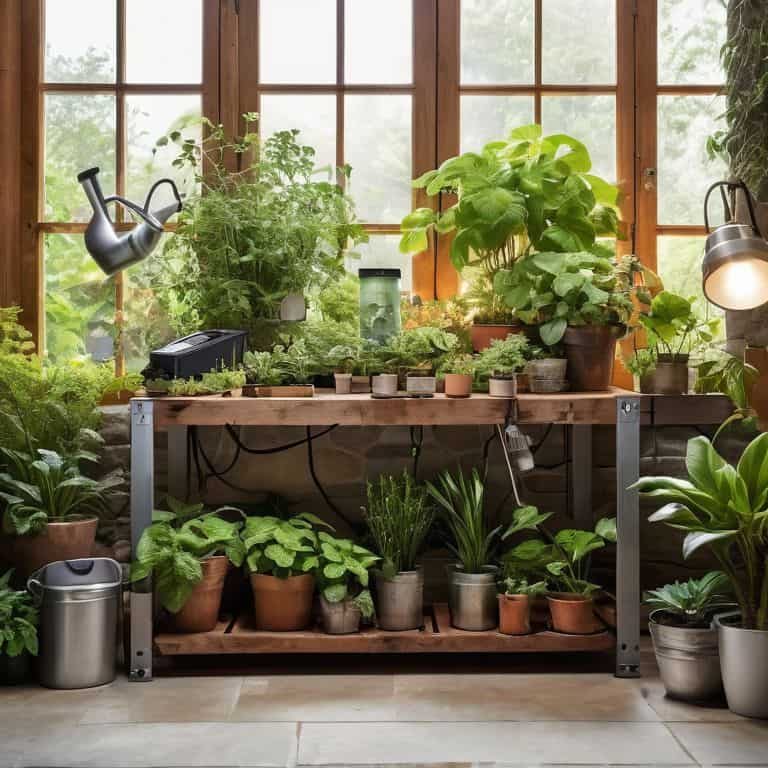
As I delve into the world of indoor garden automation, I’m reminded of the countless hours I spent in my family’s hardware store, watching my grandmother transform scraps into something new. This same spirit of creativity and resourcefulness is what drives me to experiment with smart garden sensor systems, aiming to make my garden a thriving, self-sustaining oasis. By incorporating these innovative tools, I’ve been able to fine-tune my garden’s ecosystem, ensuring that every plant receives the perfect amount of water and nutrients.
When it comes to crafting these gadgets, I always start by sketching out my ideas with my trusty vintage fountain pen. There’s something about putting pen to paper that helps me connect with the project on a deeper level, allowing me to bridge the gap between technology and nature. As I bring my designs to life, I’m constantly inspired by the potential for automated watering systems for plants to revolutionize the way we care for our gardens. By leveraging these smart solutions, we can not only save time but also reduce waste and create a more harmonious relationship between our gardens and the environment.
In my own workshop, I’ve been experimenting with diy hydroponic gardens, pushing the boundaries of what’s possible when combining traditional gardening techniques with cutting-edge technology. The results have been astounding, with my plants thriving in ways I never thought possible. As I continue to explore the possibilities of smart greenhouse technology, I’m excited to see how these innovations will shape the future of gardening, making it more accessible and enjoyable for everyone.
Reviving Gardens With Smart Sensor Systems
As I delve into the world of smart sensor systems, I’m reminded of my grandmother’s intuitive green thumb. She could sense the slightest changes in her garden’s needs, and I’ve always sought to replicate that connection through technology. By integrating sensors that monitor moisture, light, and temperature, I’ve created a DIY system that not only automates care but also fosters a deeper understanding of my garden’s rhythms.
With my vintage fountain pen, I sketch out designs that merge the old with the new, envisioning a future where gardens thrive under the gentle guidance of smart sensors. It’s a blend of nostalgia and innovation, where the stories of the past inform the sustainable gardens of tomorrow.
Whispers of Indoor Garden Automation
As I sit amidst the soft tick-tock of my upcycled clocks, I find inspiration in the rhythmic dance of gears and pendulums. This same harmony can be achieved in our indoor gardens with automation. By incorporating simple, DIY smart gadgets, we can create an environment where our plants thrive, and their stories unfold. I recall my grandmother’sGreenhouse, where she’d tenderly care for each plant, ensuring they received just the right amount of light and water. With indoor garden automation, we can replicate this nurturing touch, even when we’re not physically present.
I’ve experimented with repurposing old clock mechanisms to create automated watering systems, where the gentle chime of a clock signals the release of water to the plants. It’s a symphony of innovation and nostalgia, blending the past with the present to create a unique gardening experience.
Tinkering with Timelessness: 5 Essential Tips for DIY Smart Garden Gadgets
- As I sit amidst the ticking of my upcycled vintage clocks, I find inspiration in the blend of old and new, which is why my first tip is to always repurpose materials when possible, like turning old planters into smart garden sensors
- Embracing the narrative of transformation, my second tip is to craft a story with each gadget, whether it’s a handmade wooden planter box with automated watering or a set of solar-powered lights made from reclaimed glass bottles
- Much like my grandmother taught me, the third tip is to experiment fearlessly, combining traditional gardening techniques with cutting-edge technology to create unique smart garden solutions, such as integrating AI-powered pest control into your DIY projects
- Fourthly, I recommend keeping a ‘whisper journal’ to note down ideas as they come, inspired by the creaks and whispers of old wooden floorboards in my workshop, where I sketch out designs with my vintage fountain pen, connecting me to the past while innovating for the future
- Lastly, my fifth tip is to share your creations and the stories behind them, fostering a community of like-minded DIY enthusiasts who see the beauty in merging the past with the present, creating a tapestry of tales and technological innovation that inspires others to embark on their own journeys of creative tinkering
Timeless Wisdom: 3 Key Takeaways from My DIY Smart Garden Gadget Journey
As I reflect on my experiences with DIY smart garden gadgets, I realize that the true beauty lies not just in the technology, but in the stories and memories we create while bringing old, forgotten spaces back to life.
By embracing the intersection of vintage charm and modern innovation, we can craft unique, functional pieces that not only enhance our gardens but also serve as testaments to the power of imagination and resourcefulness.
Whether you’re a seasoned tinkerer or just starting to explore the world of DIY smart garden gadgets, remember that every project is an opportunity to weave a narrative of transformation, turning the relics of yesterday into the treasures of today.
Tinkering with Time and Nature
As I see it, DIY smart garden gadgets are not just about merging technology with greenery, but about weaving tales of revival and growth, where the forgotten becomes the foundation for something beautifully new.
Joseph Goto
Embracing the Future of Gardening
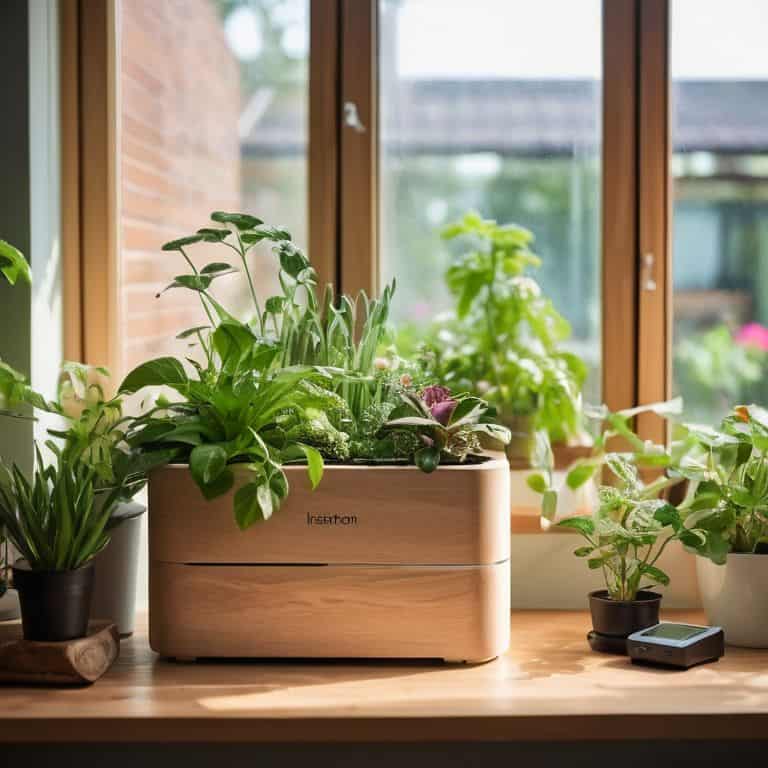
As I reflect on our journey through the world of DIY smart garden gadgets, I’m reminded of the beauty of transformation that occurs when we merge the past with the present. From the initial steps of crafting our own smart gardening solutions to the finer details of implementing indoor garden automation and smart sensor systems, we’ve explored a wide range of creative and practical approaches. The key to unlocking the full potential of these gadgets lies in understanding the intersection of technology and nature, where innovation meets the timeless rhythms of growth and renewal.
As we conclude this exploration of DIY smart garden gadgets, I want to leave you with a final thought: the true magic happens not just in the gadgets themselves, but in the stories they help us tell. Every garden, every plant, and every DIY project is a narrative of hope, resilience, and the human spirit’s capacity to create and nurture life. So, let’s continue to bridge the gap between yesterday and today, inspiring others to find the beauty in turning the old into something intriguingly new, one DIY smart garden gadget at a time.
Frequently Asked Questions
What are some creative ways to repurpose old materials to create DIY smart garden gadgets?
I love repurposing old materials to create unique DIY smart garden gadgets. For instance, I’ve turned vintage clocks into automated watering timers and used old mason jars to create self-watering planters with built-in sensors.
How can I integrate smart sensor systems into my existing garden without breaking the bank?
I’ve found that repurposing old weather stations or thrift store sensors can be a cost-effective way to integrate smart sensor systems into your garden. With a little creativity and some DIY tinkering, you can breathe new life into these forgotten gems and bring your garden into the 21st century without breaking the bank.
Are there any specific safety precautions I should take when combining electronics and water in my DIY smart garden projects?
When merging electronics and water, I always say it’s better to be safe than sorry. Make sure to seal any exposed circuits, use waterproof materials, and keep a watchful eye on your creations to avoid any shocking surprises. My grandmother used to say, “A drop of caution is worth a ocean of safety.