By Joseph Goto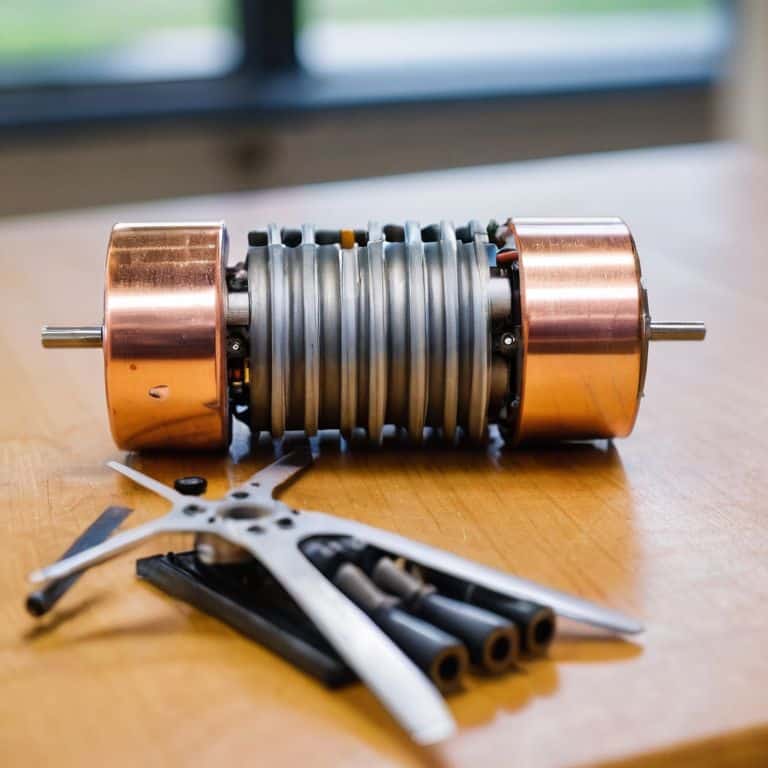
I still remember the thrill of repurposing old motors in my family’s hardware store, and now I’m excited to share with you how to breathe new life into your DIY drone motors with a little creativity and some vintage charm. There’s a common myth that building your own drone motors is a complex, overly technical task, but I’m here to tell you that with the right approach, it can be a fun and rewarding experience. I’ve spent countless hours tinkering with forgotten materials, and I’ve learned that the key to success lies in embracing the story behind each component.
As you delve into the world of DIY drone motors, you’ll discover that it’s not just about assembling parts, but about crafting a narrative of innovation and reuse. In this article, I’ll guide you through the process of selecting the right materials, designing your motor, and bringing your project to life. You can expect honest, no-hype advice on how to overcome common challenges and create a unique, functional drone motor that reflects your personality. Whether you’re a seasoned tinkerer or just starting out, I invite you to join me on this journey of creativity and discovery, as we explore the fascinating world of DIY drone motors together.
Table of Contents
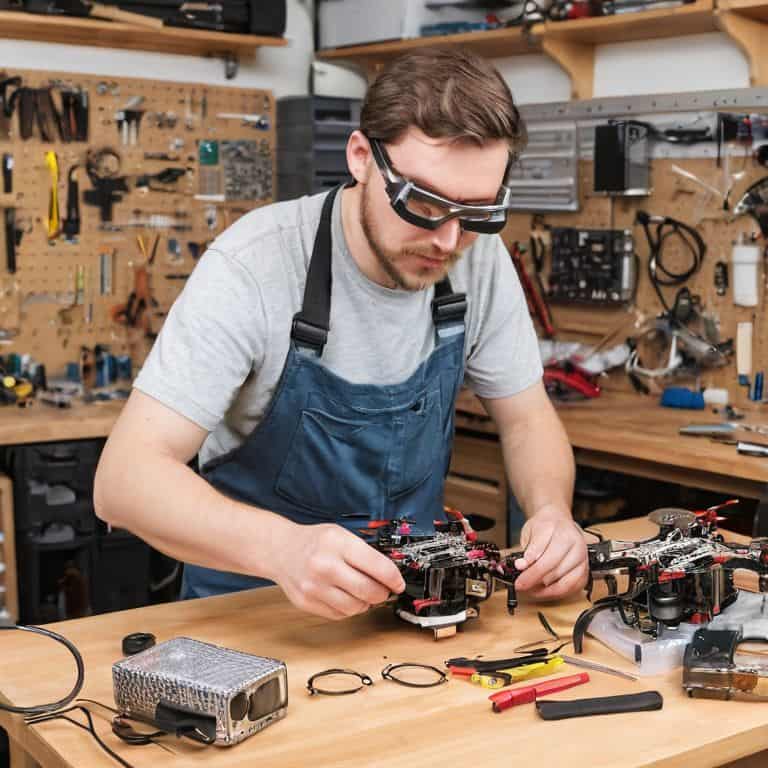
Guide Overview: What You'll Need
Total Time: 5 hours 30 minutes
Estimated Cost: $50 – $100
Difficulty Level: Intermediate
Tools Required
- Drill Press (with 1/16 inch drill bit)
- Wire Strippers (for 18 gauge wire)
- Pliers (needle-nose)
- Soldering Iron (with solder)
- Multimeter (for testing voltage and current)
Supplies & Materials
- Rare Earth Magnets (4 pieces, 1 inch in diameter)
- Copper Wire (18 gauge, 10 feet long)
- Electric Motor Components (e.g., coils, bearings, shafts)
- 3D Printed or CNC Machined Motor Mounts (custom designed for your drone frame)
- Electronic Speed Controller (ESC) (for brushless motor control)
Step-by-Step Instructions
- 1. To begin our DIY drone motor project, I always start by gathering inspiration from the past. I head to my workshop, surrounded by vintage clocks and half-finished projects, and sketch out my ideas with my trusty vintage fountain pen. This process helps me connect with the materials on a deeper level and envision the story I want my drone motors to tell.
- 2. Next, I select the core components for my DIY drone motors, focusing on repurposing old parts whenever possible. This not only reduces waste but also adds a unique character to each project. I often scour local thrift stores, garage sales, and my family’s old hardware store for motors from discarded appliances or toys that can be given a new lease on life.
- 3. With my components in hand, I move on to disassembling and cleaning the parts. This step is crucial for understanding how each piece works and for removing any dirt or grime that might affect performance. I use a gentle touch and the right tools to ensure that each component is restored to its former glory.
- 4. The fourth step involves rewinding the motors to enhance their efficiency and power output. This is a delicate process that requires patience and attention to detail. I use specialized equipment and techniques learned from my apprenticeships to carefully rewind the motor coils, aiming for the perfect balance between power and control.
- 5. Once the motors are rewound, I proceed to fabricate custom mounts that will securely hold the motors in place on the drone frame. This is where my background in fine arts and industrial design comes into play, as I need to balance form and function. I sketch out my design ideas, considering both the aesthetic appeal and the structural integrity of the mounts.
- 6. With the mounts ready, I assemble the drone motors, carefully connecting the electrical components and ensuring that everything is properly secured. This is a critical step that requires meticulous attention to detail to avoid any short circuits or malfunctions. I test each motor individually before moving on to the final assembly.
- 7. The penultimate step involves integrating the motors with the drone’s control system. This is where the magic happens, and my DIY drone motors come to life. I carefully calibrate the system, making sure that each motor responds perfectly to the controller’s inputs. It’s a process that requires a deep understanding of both the hardware and the software components.
- 8. Finally, I test and refine my DIY drone motors, taking the drone out for a spin to see how it performs. This is the most exhilarating part of the project, as I get to see my creation soar through the air. Based on the test flights, I make any necessary adjustments to the motors or the control system, continually refining the design until it meets my standards.
Reviving Diy Drone Motors
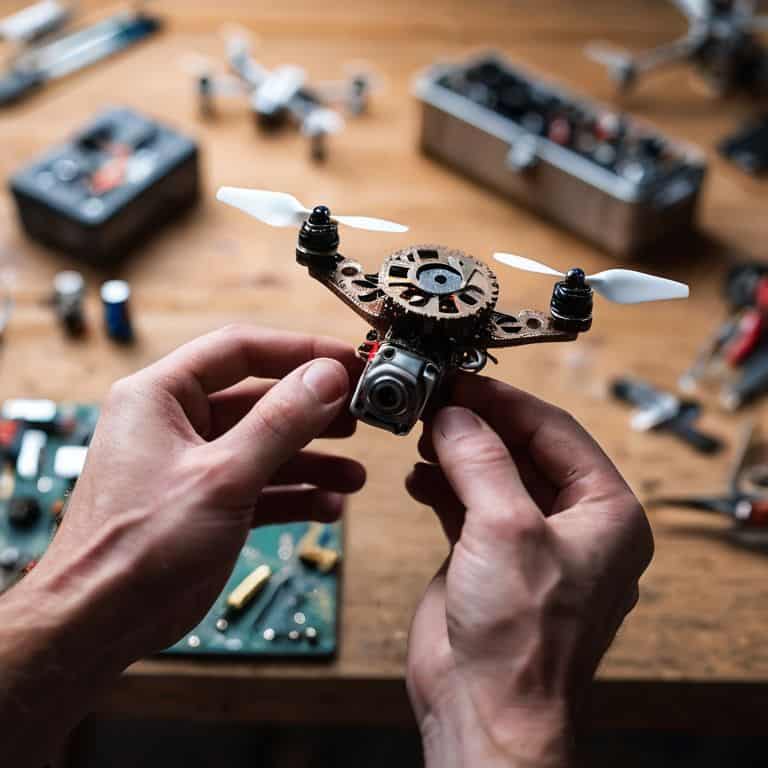
As I delve into the world of custom drone motor design, I’m reminded of the countless hours I spent in my family’s hardware store, tinkering with old machinery and finding new purposes for discarded parts. This experience has taught me the importance of brushless motor selection for drones, as it directly impacts the overall performance and efficiency of the vehicle. When choosing a motor, consider the drone’s intended use and the type of terrain it will be flying over.
To optimize drone motor efficiency, it’s essential to strike a balance between power and weight. I’ve found that high torque drone motors are ideal for heavy-lift drones, but may not be the best choice for smaller, agile vehicles. By carefully selecting the right motor for your drone, you can significantly improve its overall performance and extend its flight time. Additionally, implementing a drone motor cooling system can help prevent overheating and reduce the risk of motor failure.
In my experience, the key to successful drone motor design lies in understanding the nuances of electric motor vs gas motor for drones. While gas motors offer more power, electric motors provide a cleaner, quieter alternative. By considering these factors and experimenting with different designs, you can create a unique and efficient drone motor that meets your specific needs. With patience and practice, you can unlock the full potential of your drone and take your flying experience to new heights.
Brushless Harmony for Drones
As I delve into the world of brushless motors for drones, I’m reminded of the old clockwork mechanisms I used to upcycle in my workshop. There’s a certain harmony to the way these motors hum, a gentle whir that evokes a sense of nostalgia. By repurposing brushless motors from old devices, we can create a unique sound and feel for our DIY drones. I recall my grandmother’s words, “The beauty lies not in the new, but in the stories the old can tell.” With a bit of creativity, we can breathe new life into these forgotten components.
By embracing the art of revival, we can transform discarded motors into thriving components of our aerial creations. The process is almost therapeutic, as I sketch out ideas with my vintage fountain pen, imagining the possibilities. As I work, the soft scratch of the pen on paper seems to harmonize with the gentle whir of the motors, creating a sense of symphony in my workshop.
Electric Dreams Custom Motor Design
As I delve into the world of custom motor design, I find myself sketching ideas with my trusty vintage fountain pen, envisioning the perfect blend of form and function. The hum of a well-crafted motor is music to my ears, a symphony of electric dreams. I recall afternoons in my family’s hardware store, where I’d repurpose old motors to create something entirely new. This experience has taught me the value of experimentation and creative problem-solving in DIY drone motor design.
With a narrative approach to tinkering, I see each motor as a character in a larger story, waiting to be brought to life. By combining vintage components with modern materials, I aim to create unique, functional pieces that not only perform exceptionally but also tell a story of transformation and nostalgia. The thrill of the design process lies in the unknown, where the past and present converge to create something truly innovative.
Tuning the heartbeat of your drone: 5 key tips for DIY drone motors
- Embrace the thrill of the hunt: Scour thrift stores, garage sales, and online marketplaces for unique, vintage motors that can be repurposed for your DIY drone project
- Listen to the rhythm of the past: Study the mechanics of old clocks and machinery to inspire innovative motor designs that blend nostalgia with modern functionality
- Get hands-on with your materials: Experiment with different combinations of recycled and new components to create a truly one-of-a-kind DIY drone motor
- Harmonize form and function: Consider the aesthetic appeal of your motor design, blending industrial chic with futuristic flair to create a visually stunning drone
- Respect the classics, but don’t be afraid to improvise: Take cues from traditional motor designs, but feel free to add your own creative twists and modifications to push the boundaries of what’s possible with DIY drone motors
Timeless Takeaways for the Modern Tinkerer
I’ve found that repurposing vintage components, like old clock mechanisms, can add a unique narrative to DIY drone motors, blending the past with cutting-edge technology
By embracing the art of upcycling and experimenting with unconventional materials, individuals can not only reduce electronic waste but also craft truly one-of-a-kind drone motors that tell a story
Whether you’re sketching ideas with a vintage fountain pen or bringing your design to life in the workshop, the key to innovative DIY drone motors lies in combining creativity, nostalgia, and a willingness to push the boundaries of what’s possible with forgotten materials
Echoes of Innovation
As I see it, DIY drone motors are not just about repurposing old parts, but about weaving a narrative of transformation, where the discarded becomes the foundation of something extraordinary, a testament to human ingenuity and the timeless allure of flight.
Joseph Goto
Embracing the Thrill of DIY Innovation
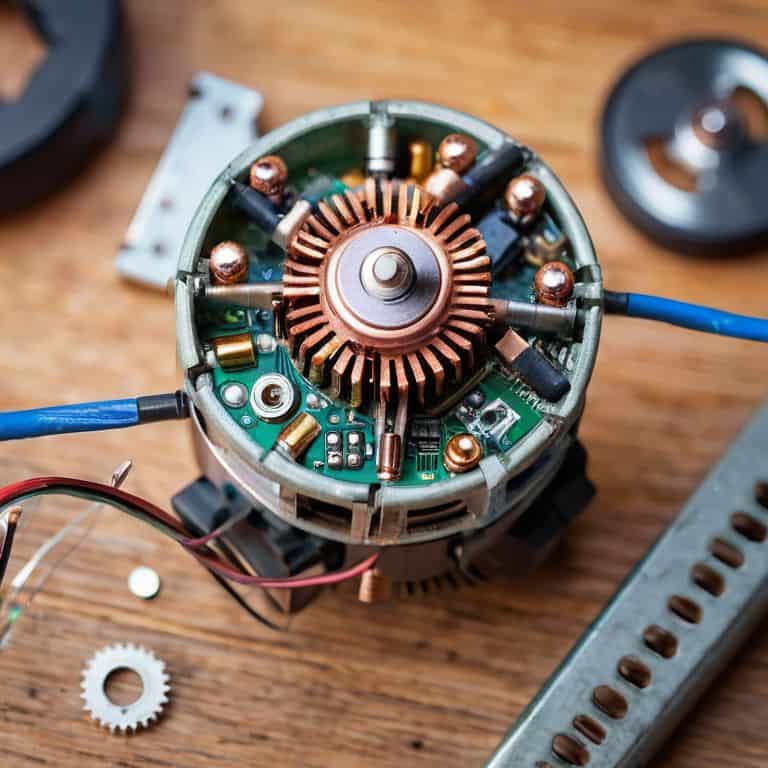
As I reflect on our journey through the world of DIY drone motors, I’m reminded of the beauty of transformation that occurs when we breathe new life into discarded materials. From the initial steps of repurposing old motors to the finer details of custom motor design, we’ve explored the brushless harmony that can be achieved with a little creativity and patience. By embracing the art of revival and pushing the boundaries of what’s possible, we not only reduce waste but also create unique stories with each project.
As we conclude this chapter on DIY drone motors, I want to leave you with a lasting thought: the true magic lies not in the end result, but in the journey of creation itself. It’s the scratches on our workbenches, the smell of solder, and the thrill of seeing our imagination take flight. So, let’s continue to tinker, to innovate, and to inspire one another to find the hidden potential in the everyday objects that surround us, for in doing so, we’ll uncover a world of endless possibility and beauty.
Frequently Asked Questions
What are the key considerations when selecting a DIY drone motor to ensure optimal performance and safety?
When selecting a DIY drone motor, I consider factors like weight, size, and durability. I also think about the type of flying I’ll be doing – will it be acrobatic or surveyance? The motor’s Kv rating and torque are crucial too, as they impact speed and stability.
How can I repurpose or upcycle old motors to create a unique and functional DIY drone?
I love repurposing old motors, it’s like giving them a new story to tell. For a unique DIY drone, try combining vintage DC motors with modern ESCs and a bespoke 3D-printed mount, blending past and present for a one-of-a-kind aerial experience.
What are some common mistakes to avoid when building or customizing a DIY drone motor to prevent damage or malfunction?
When customizing DIY drone motors, I’ve found that common mistakes to avoid include improper wiring, insufficient cooling, and mismatched components. These oversights can lead to overheating, short circuits, or reduced performance, causing damage or malfunction. By double-checking your design and carefully selecting compatible parts, you can ensure a harmonious and efficient motor that brings your drone projects to life.