By Joseph Goto
As I sat amidst the chaos of my workshop, surrounded by the ticking heartbeat of my upcycled vintage clocks, I couldn’t help but think about the common misconception that creating a DIY smart plant monitoring system is a daunting task, reserved for the tech-savvy and electronically inclined. But I’m here to tell you that’s simply not true. With a little creativity and some basic knowledge, anyone can breathe new life into their plant care routine with a DIY smart plant monitoring system. I’ve seen it time and time again – people shying away from the idea of mixing technology with nature, when in reality, it’s a match made in heaven.
So, what can you expect to learn from this article? I’ll be walking you through the process of creating your very own DIY smart plant monitoring system, from the initial planning stages to the final product. You’ll learn how to transform ordinary objects into a functional and efficient system that will take your plant care to the next level. I’ll share my personal experiences, tips, and tricks to help you overcome any obstacles you may encounter along the way. By the end of this guide, you’ll be well on your way to becoming a smart plant parenting pro, equipped with the knowledge and confidence to give your plants the best possible care.
Table of Contents
Guide Overview: What You'll Need
Total Time: 2 hours 30 minutes
Estimated Cost: $50 – $100
Difficulty Level: Intermediate
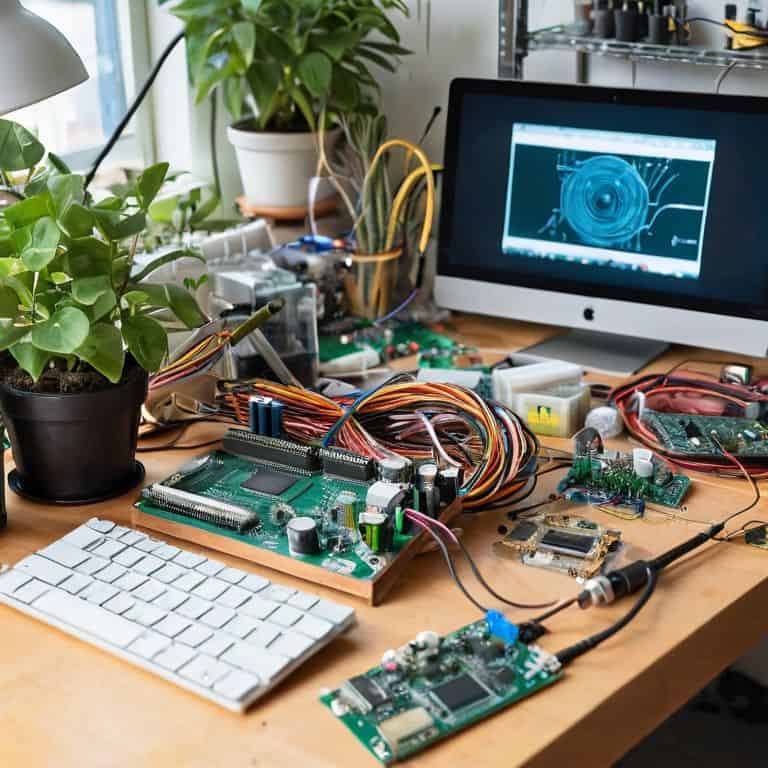
Tools Required
- Arduino Board (e.g., Arduino Uno)
- Breadboard
- Jumper Wires (assorted colors)
- Sensor Modules (e.g., soil moisture, temperature, humidity)
- Microcontroller Programming Cable (e.g., USB cable)
- Wire Strippers
- Pliers
Supplies & Materials
- Wooden or Plastic Enclosure (to house the electronics)
- Soil Moisture Sensor
- Temperature and Humidity Sensor
- Watering System Components (e.g., relay module, solenoid valve, water pump)
- Power Supply (e.g., battery, wall adapter)
- 6 inches of 22 AWG Wire (for connections)
- Breadboard Jumper Wire Kit
Step-by-Step Instructions
- 1. First, I like to start by gathering my materials, which for this DIY smart plant monitoring system include an old Arduino board I found in my grandfather’s toolbox, some wires, a few sensors to measure soil moisture and temperature, and a small LCD screen to display the readings. I find that using vintage or repurposed items not only reduces waste but also adds a unique character to my projects.
- 2. Next, I spend some time cleaning and preparing the components. This involves dusting off the Arduino board, checking the wires for any damage, and making sure the sensors are free from debris. It’s a meditative process that allows me to connect with the materials on a deeper level, much like my hobby of upcycling vintage clocks.
- 3. With my materials ready, I move on to soldering the circuit. This is perhaps the most challenging part of the project, requiring patience and a steady hand. I solder the sensors to the Arduino board, making sure the connections are secure and won’t come loose over time. It’s a bit like assembling the intricate mechanisms of a clock, where every piece must fit perfectly for it to work harmoniously.
- 4. Once the circuit is soldered, I write the code that will bring my DIY smart plant monitoring system to life. This involves using a programming language to tell the Arduino board what to do with the data it receives from the sensors. It’s a creative process that requires some trial and error, but the end result is well worth the effort.
- 5. After the code is written and uploaded to the Arduino board, I assemble the system. This includes connecting the LCD screen and placing the sensors in a way that they can accurately monitor the soil moisture and temperature. It’s satisfying to see all the components come together, like the final pieces of a puzzle.
- 6. To make the system more user-friendly, I add a simple interface that allows me to easily check the readings and adjust the settings as needed. This could be a small keypad or even a mobile app, depending on how complex I want the system to be. The goal is to create something that is both functional and enjoyable to use.
- 7. Finally, I test the system to ensure it’s working as intended. This involves placing the sensors in different environments, checking the readings on the LCD screen, and making any necessary adjustments to the code or hardware. It’s a process of refinement that requires patience, but the end result is a DIY smart plant monitoring system that is not only effective but also a unique reflection of my craftsmanship.
Reviving Green Thumbs
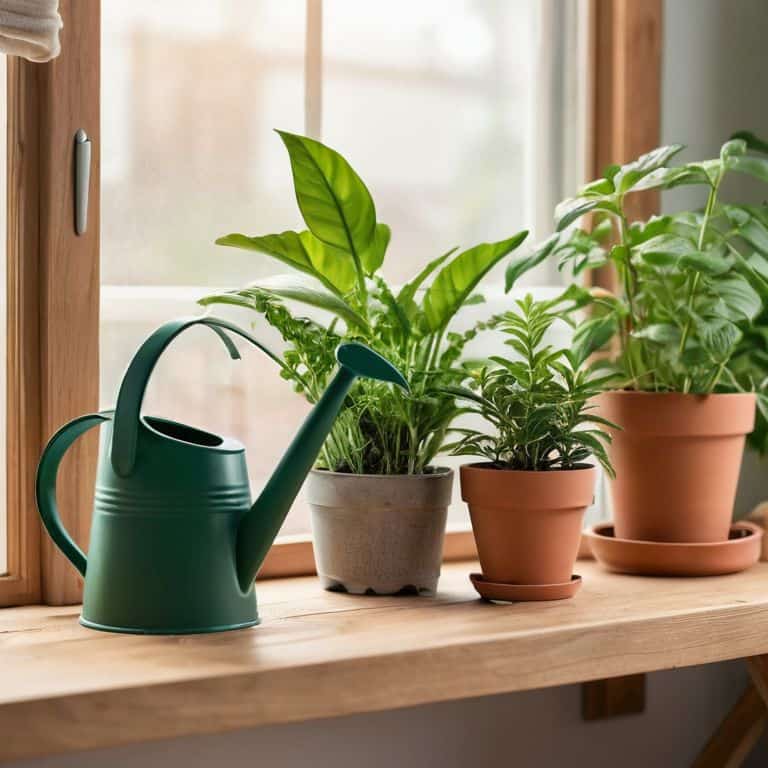
As I delve into the world of indoor plant sensor technology, I’m reminded of my grandmother’s green thumb. She had a way of coaxing life from even the most reluctant plants, and I’ve always sought to emulate her gift. One of the most significant advantages of using wireless soil moisture monitoring is that it allows me to keep a close eye on my plants’ health without having to physically check the soil each day. This not only saves time but also reduces the risk of overwatering, which can be detrimental to a plant’s well-being.
In my experience, automated plant watering systems can be a game-changer for busy plant enthusiasts. By setting up a system that waters my plants at optimal intervals, I can ensure they receive the right amount of moisture without having to constantly monitor them. This has been particularly useful for my more finicky plants, which require precise care to thrive. I’ve also found that using plant health tracking apps helps me stay on top of my plants’ needs, providing valuable insights into their growth patterns and alerting me to any potential issues.
By combining these technologies, I’ve been able to create a smart gardening ecosystem that is both efficient and effective. My DIY projects, such as the smart plant monitoring system, have become an integral part of this ecosystem, allowing me to upcycle old materials and give them new life. As I continue to explore the world of smart gardening, I’m excited to see the impact that diy greenhouse automation and smart gardening sensor kits can have on my plants’ health and productivity.
Vintage Twist on Automated Watering
As I delve into the world of automated watering, I find myself drawn to the elegance of vintage clockwork mechanisms. There’s something poetic about repurposing old timepieces to regulate the flow of water to my plants. I’ve begun experimenting with upcycling antique clock gears to create custom irrigation timers, each one a unique blend of nostalgia and innovation. The soft tick-tock of these refurbished clocks now signals the precise watering schedule for my plants, weaving a narrative of renewal and resourcefulness.
With every successfully revived plant, I feel a sense of connection to the past, as if the stories of these vintage components are being retold through the lush greenery they help nurture. The fusion of old and new is not just about functionality; it’s about crafting a tale of transformation, where discarded relics become the guardians of thriving life.
Whispers of Wireless Soil Monitoring
As I delved deeper into the world of smart plant monitoring, I became fascinated with the concept of wireless soil monitoring. It was as if the earth itself was whispering secrets, waiting for me to decipher them. I began to experiment with upcycling old wireless devices, merging them with sensors that could detect even the slightest changes in soil moisture and temperature. The result was a system that not only helped my plants thrive but also told a story of innovation and reuse.
With my vintage fountain pen, I sketched out designs for a series of wireless soil sensors, each one nestled in a beautifully crafted wooden casing, reminiscent of my grandmother’s antique wooden spoons. The blend of old and new was not just functional but also aesthetically pleasing, a true testament to the potential of DIY craftsmanship in bridging the past and the present.
Timeless Tips from the Workshop: 5 Keys to a Thriving DIY Smart Plant Monitoring System
- Embrace the Beauty of Upcycled Materials: Consider repurposing old clock parts, circuit boards, or other vintage items to add a unique touch to your monitoring system, reflecting the blend of past and present that inspires my own creations
- Listen to the Whispers of Your Plants: Observe and learn from your plants’ responses to different conditions, using this insight to fine-tune your monitoring system for optimal care, much like how I attune my timepieces to the subtle rhythms of nature
- Wireless Wisdom: Leverage wireless technology to create a seamless and efficient monitoring system, ensuring that your plants receive the right amount of care without the clutter of unnecessary wires, a lesson I’ve applied in my own experiments with automated watering systems
- Automate with a Personal Touch: Incorporate automated features that not only simplify plant care but also allow for personalization, reflecting your unique connection with your plants, such as scheduling watering times that coincide with the sunrise or sunset to mimic natural rhythms
- Storytelling through Data: Use the data collected from your monitoring system to tell a story of growth, challenges, and triumphs, weaving a narrative that connects you more deeply with your plants and inspires others to embrace the joy of nurturing life, a philosophy that guides my approach to crafting timepieces from vintage clocks
Timeless Tips from the Workshop
As I reflect on my DIY smart plant monitoring system, I realize that the true magic lies not in the technology, but in the stories of revival and renewal that each component tells, from the repurposed vintage clock gears to the handmade wooden planters
The process of crafting this system has taught me that with a little creativity, the relics of yesterday can become the guardians of tomorrow’s green spaces, and that the art of upcycling is not just about reducing waste, but about weaving a narrative of sustainability and hope
Perhaps the most important lesson I’ve learned is that the journey of creating something with your own hands, like this DIY smart plant monitoring system, is just as valuable as the end result, for it is in these moments of tinkering and experimentation that we discover the true beauty of transformation and the joy of giving old materials new life
A Timeless Approach to Innovation
As we weave technology into the timeless rhythms of nature, a DIY smart plant monitoring system becomes more than just a tool – it’s a testament to our capacity to harmonize the old with the new, and to nurture life in all its forms.
Joseph Goto
Reflecting on the Beauty of Revival
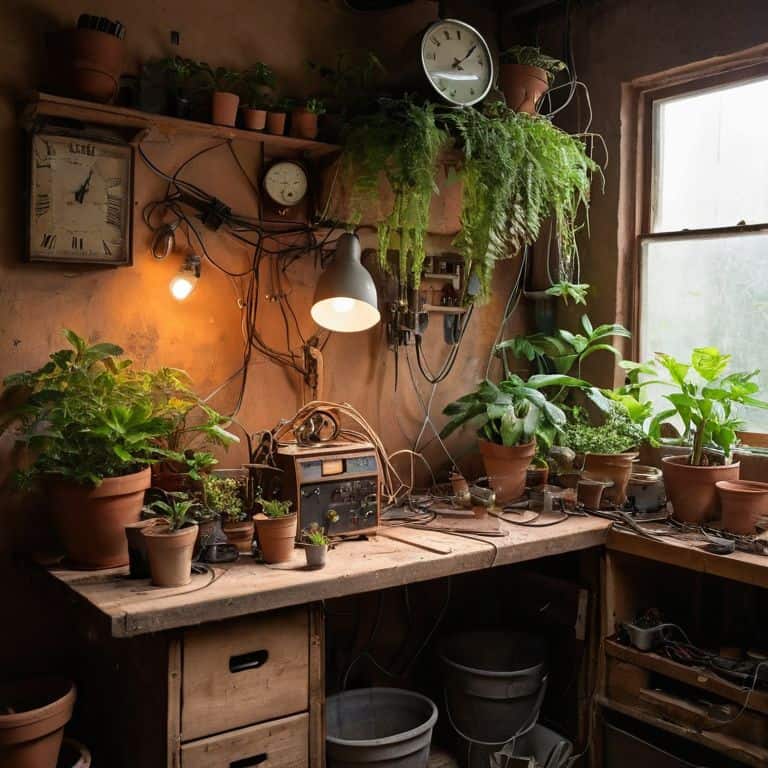
As I sit amidst the ticking of my upcycled vintage clocks and the gentle hum of my DIY smart plant monitoring system, I am reminded of the journey that has brought me to this moment. From the initial spark of reviving forgotten materials to the narrative of transformation that unfolds with each project, this experience has been a testament to the power of creativity and resourcefulness. The whispers of wireless soil monitoring and the vintage twist on automated watering have not only helped my plants thrive but have also deepened my connection to the stories of the past.
In the end, it’s not just about creating a DIY smart plant monitoring system; it’s about breathing new life into the relics of yesterday and inspiring others to see the world through the lens of imagination and possibility. As I put down my vintage fountain pen, I am filled with a sense of hope and anticipation for the next project, the next story waiting to be told through the medium of forgotten materials and the craftsmanship of the human hand.
Frequently Asked Questions
What are some creative ways to repurpose old materials in a DIY smart plant monitoring system?
I love repurposing old materials, like transforming vintage clocks into quirky sensor holders or using reclaimed wood to craft unique planters with built-in monitoring systems, giving my DIY smart plant projects a touch of nostalgic charm.
How can I ensure my DIY smart plant monitoring system is compatible with different types of plants and soil?
As I tweaked my DIY smart plant monitoring system, I realized that calibration was key. I experimented with various plant species and soil types, logging data to refine the system’s sensitivity. Now, it effortlessly adjusts to the unique needs of each plant, whether it’s a finicky fern or a hardy succulent, ensuring optimal care and thriving results.
What are some potential challenges or limitations of using vintage or recycled components in a DIY smart plant monitoring system?
As I delve into repurposing vintage components, I’ve found that compatibility issues and sourcing rare parts can be significant hurdles. Additionally, ensuring the reliability and consistency of recycled materials can be a challenge, requiring creative workarounds and a willingness to experiment.