By Joseph Goto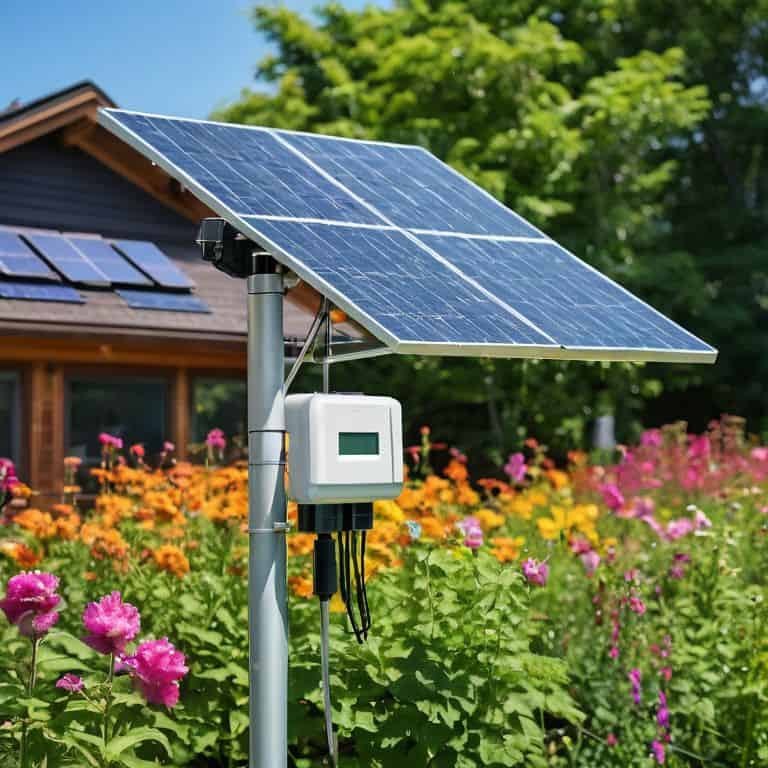
As I sit amidst the dusty relics of my family’s old hardware store, surrounded by vintage clocks and gears, I find myself pondering the tales that forgotten materials could tell – and that’s what sparked my fascination with crafting a DIY smart weather station. There’s a common myth that building such a device requires a deep understanding of complex electronics and coding, but I’m here to tell you that’s not entirely true. With the right guidance and a bit of creativity, anyone can bring a touch of innovation to their home, blending the nostalgia of yesterday with the technology of today.
In this article, I’ll share my personal approach to building a DIY smart weather station, focusing on practical, hands-on advice that cuts through the jargon. You can expect to learn how to upcycle old materials, integrate them with modern technology, and create a unique device that not only provides accurate weather forecasts but also tells a story of transformation and reuse. By the end of this guide, you’ll be equipped with the knowledge to craft your own timeless smart weather station, one that reflects your personality and adds a touch of warmth to your home.
Table of Contents
- Guide Overview: What You'll Need
- Step-by-Step Instructions
- Crafting Diy Smart Weather Station
- Timeless Tales from My Workshop: 5 Essential Tips for Your DIY Smart Weather Station
- Timeless Wisdom: 3 Key Takeaways from My DIY Smart Weather Station Journey
- Timeless Wisdom
- Reflections on a Timeless Creation
- Frequently Asked Questions
Guide Overview: What You'll Need

Total Time: 4 hours 30 minutes
Estimated Cost: $100 – $200
Difficulty Level: Intermediate
Tools Required
- Arduino Board (e.g., Arduino Uno)
- Breadboard
- Jumper Wires (assorted colors)
- Soldering Iron (with solder)
- Wire Cutters
- Drill Press (for making holes in plastic enclosure)
- Sandpaper (for smoothing out edges)
Supplies & Materials
- Anemometer (for wind speed measurement)
- Barometer (for atmospheric pressure measurement)
- Hygrometer (for humidity measurement)
- Thermometer (for temperature measurement)
- Rain Gauge (for precipitation measurement)
- Plastic Enclosure (e.g., 6 inches x 4 inches x 2 inches)
- Solar Panel (for powering the weather station)
- Battery (for backup power)
- Wi-Fi Module (for internet connectivity)
Step-by-Step Instructions
- 1. To begin, I gather my materials, surrounded by the nostalgic aroma of old wood and metal in my workshop, reminiscent of my family’s hardware store. The foundation of our project is a wooden base, which I carefully select from reclaimed wood to give our DIY smart weather station a unique, vintage appeal. I then sketch out the design with my trusty vintage fountain pen, feeling the _connection to the past_ as the ink flows onto the paper.
- 2. Next, I move on to assembling the basic structure, using a combination of traditional woodworking techniques and modern tools. This blend of old and new is at the heart of my approach, as I believe it allows me to _honor the craftsmanship of the past_ while still innovating for the future. I ensure each piece fits snugly together, forming a sturdy base for our weather station.
- 3. With the structure in place, I proceed to install the electronic components, which will bring our DIY smart weather station to life. This includes a microcontroller, sensors for temperature, humidity, and pressure, and a small display screen. I take my time, carefully soldering each connection and ensuring the circuit is complete, making sure that every component works in harmony to provide accurate and detailed weather readings.
- 4. The addition of a Wi-Fi module allows our weather station to connect to the internet, enabling it to fetch and display current weather forecasts and even send notifications to our smartphones. This step requires some _programming knowledge_, but with patience and the right resources, it’s achievable for anyone willing to learn. I find the process of coding and seeing the immediate results _fascinating_, as it brings a new level of interactivity to our project.
- 5. To make our DIY smart weather station more visually appealing and to protect the electronics, I design and build a custom enclosure. Using my skills in furniture design, I craft a casing that not only shields the components but also adds to the overall aesthetic of the device, blending modern technology with vintage charm. This step involves careful measurement and precision cutting to ensure a perfect fit.
- 6. Once the enclosure is ready, I carefully place the electronic components inside, connecting any remaining wires and ensuring that everything is securely fastened. I then add the final touches, including any decorative elements that enhance the vintage look I’m aiming for, such as antique-style knobs or engravings that tell a story of their own.
- 7. The final step involves testing our DIY smart weather station to ensure that all components are working as expected. I check the sensors for accuracy, verify that the display is clear and easy to read, and test the Wi-Fi connectivity to make sure it can fetch and display weather forecasts correctly. This _moment of truth_ is always exciting, as it’s the culmination of all my efforts to bring an old concept into the modern age with a unique twist.
Crafting Diy Smart Weather Station
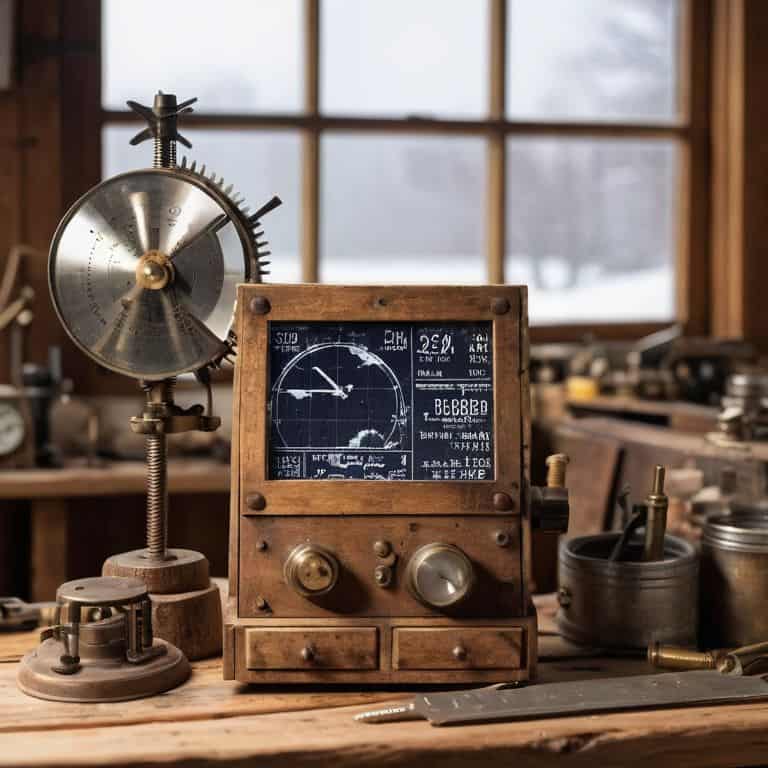
As I delve into the world of raspberry pi weather projects, I’m reminded of the countless hours I spent in my family’s hardware store, surrounded by dusty relics and forgotten treasures. It’s this nostalgia that drives me to craft unique, functional pieces like my latest weather monitoring system. By combining vintage materials with modern technology, I aim to create a timeless piece that not only provides accurate weather readings but also tells a story of transformation and innovation.
When it comes to arduino based weather monitoring, I’ve found that the key to success lies in the attention to detail. From selecting the perfect weather resistant enclosure materials to configuring the software, every step requires patience and dedication. I’ve opted for an open source weather station software, which allows me to customize and refine my project to suit my specific needs. This approach has not only helped me develop a deeper understanding of the technology but also enabled me to push the boundaries of what’s possible.
As I continue to tinker with my project, I’m exploring solar powered weather station ideas that will allow me to take my creation to the next level. By harnessing the power of the sun, I hope to create a truly self-sustaining system that can be placed anywhere, from a backyard to a remote wilderness area. With the help of wireless weather sensor kits, I’m confident that my project will not only provide accurate weather readings but also serve as a testament to the potential of innovative, eco-friendly design.
Arduino Based Weather Monitoring Secrets
As I delve into the world of Arduino-based weather monitoring, I’m reminded of the old clockwork mechanisms I used to repair in my family’s hardware store. There’s a similar beauty in harnessing the power of microcontrollers to bring forgotten relics back to life. By integrating Arduino boards into my DIY smart weather station, I’ve been able to craft a system that not only monitors temperature and humidity but also tells a story of innovation and nostalgia. The intricate dance of code and circuitry is akin to the meticulous craftsmanship of upcycling vintage clocks, where each component is carefully selected to create a harmonious whole.
With Arduino, the possibilities for weather monitoring secrets are endless, from crafting custom sensors to decoding weather patterns. I find myself sketching ideas with my vintage fountain pen, envisioning a future where old and new coexist in perfect harmony. The soft scratch of the pen on paper is a soothing accompaniment to the whir of the Arduino board as it brings my vision to life.
Reviving Relics With Raspberry Pi Weather Projects
As I delve into the world of Raspberry Pi weather projects, I find myself enchanted by the prospect of merging vintage charm with modern technology. The Raspberry Pi, with its compact size and versatility, becomes the perfect companion in my quest to revive relics. I envision an old, wooden clock radio, its original mechanisms replaced with a Pi-powered weather station, displaying forecasts and temperature readings on a small, nostalgia-tinged screen. This blend of past and present not only tells a story of transformation but also serves as a functional piece of art, a testament to the magic that happens when imagination meets innovation.
With the Pi at its core, my DIY smart weather station transcends mere functionality, becoming a narrative of revival and reuse. As I sketch out ideas with my trusty vintage fountain pen, I’m reminded of the countless afternoons spent in my family’s hardware store, surrounded by the whispers of forgotten materials waiting to be reborn. The Raspberry Pi weather project is more than just a DIY endeavor – it’s a celebration of the beauty that arises when we dare to reimagine the relics of yesterday.
Timeless Tales from My Workshop: 5 Essential Tips for Your DIY Smart Weather Station
- Start by gathering a treasure trove of vintage and modern components, from antique clock faces to cutting-edge sensors, to blend the nostalgic with the innovative
- Use a Raspberry Pi as the brain of your operation, leveraging its versatility to collect and analyze weather data, and don’t be afraid to get creative with the casing – think old radios or camera housings
- Experiment with Arduino for a more hands-on approach to weather monitoring, combining traditional craftsmanship with modern programming to create a truly unique piece
- Combine your DIY smart weather station with other upcycled projects, like a refurbished vintage clock, to create a cohesive narrative of transformation and nostalgia in your home
- Remember, the true magic lies not in the technology itself, but in the stories it tells – so don’t be afraid to add personal touches and embellishments that reflect your own history and connection to the project
Timeless Wisdom: 3 Key Takeaways from My DIY Smart Weather Station Journey
Embracing the beauty of nostalgia and innovation, I’ve learned that even the most forgotten relics can be transformed into functional pieces of art, like my DIY smart weather station, which now proudly sits in my workshop, a testament to the power of creative reuse
By combining vintage materials with modern technologies like Raspberry Pi and Arduino, we can create unique, storytelling devices that not only serve a purpose but also evoke a sense of history and imagination, as seen in my weather station’s ability to blend seamlessly into my collection of upcycled vintage clocks
Perhaps the most significant takeaway from this project is the realization that the true magic lies not in the technology itself, but in the stories we tell through our creations, and the connections we make between the past, present, and future, inspiring others to embark on their own journeys of transformation and discovery
Timeless Wisdom
As we weave together the threads of innovation and nostalgia, a DIY smart weather station becomes more than just a tool – it’s a testament to the human spirit’s ability to transform the forgotten into the extraordinary.
Joseph Goto
Reflections on a Timeless Creation

As I reflect on the journey of crafting my DIY smart weather station, I am reminded of the beauty of transformation that occurs when we breathe new life into forgotten relics. From the initial sketches with my vintage fountain pen to the final assembly, this project has been a testament to the power of creative reuse. By combining vintage materials with modern technology, such as Raspberry Pi and Arduino, we can create something truly unique and functional. The process of reviving relics with these technologies not only reduces waste but also tells a story of innovation and nostalgia.
As I look at my finished DIY smart weather station, I am filled with a sense of pride and accomplishment, knowing that I have created something that not only serves a purpose but also inspires the imagination. The true magic of DIY projects like this lies in their ability to bridge the gap between past and present, reminding us that even in the age of smart technology, there is still value in the stories and materials of yesterday. So, I encourage you to embark on your own journey of creative reuse, to uncover the hidden potential in forgotten items, and to craft your own tales of transformation and innovation.
Frequently Asked Questions
What are the essential components required to build a DIY smart weather station?
To bring my DIY smart weather station to life, I gathered a few essential components: a Raspberry Pi or Arduino board, sensors for temperature, humidity, and pressure, a wireless connectivity module, and a durable casing to house it all. These tools allow me to weave a narrative of innovation and nostalgia.
How can I integrate my DIY smart weather station with other smart home devices for a seamless experience?
To weave my DIY smart weather station into the fabric of my smart home, I’ve been experimenting with integrating it with my existing devices through platforms like IFTTT or Zigbee, allowing me to automate tasks like adjusting thermostat settings based on forecasted temperatures.
What are some creative ways to repurpose or upcycle old materials to build a unique and visually appealing DIY smart weather station enclosure?
For a truly unique enclosure, I love upcycling old vintage clocks, radios, or even antique wooden crates. These relics add a touch of nostalgia and character to the DIY smart weather station. With some creativity, you can transform them into functional and visually striking housings that blend past and present.