By Lucas Thompson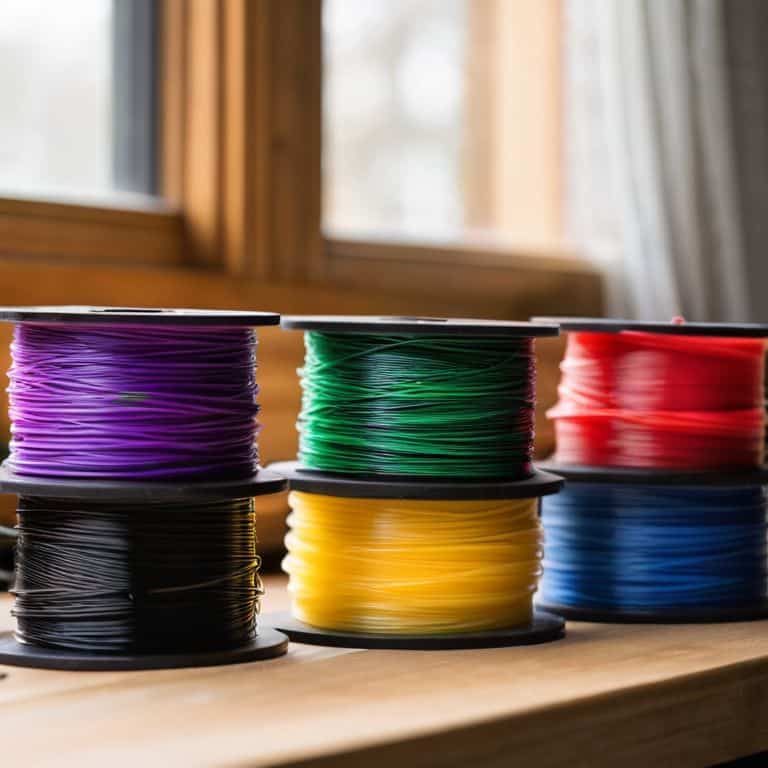
I still remember the first time I saw a 3D printer in action, spitting out a crazy-cool prototype using 3D printer filaments that looked like something from a sci-fi movie. It was love at first sight, and I’ve been hooked on exploring the endless possibilities of 3D printing ever since. But, as I delved deeper into this world, I realized that choosing the right filament can be a daunting task – with so many types and brands out there, it’s easy to get lost in the sea of options.
As someone who’s spent countless hours experimenting with different 3D printer filaments, I’m excited to share my hands-on experience with you. In this article, I’ll cut through the hype and provide you with no-nonsense advice on how to select the perfect filament for your project. I’ll dive into the specifics of each type, from PLA to ABS, and explore their unique characteristics, advantages, and disadvantages. My goal is to empower you with the knowledge to make informed decisions and unlock the full potential of your 3D printer, so you can focus on bringing your most ambitious ideas to life.
Table of Contents
3D Printer Filaments
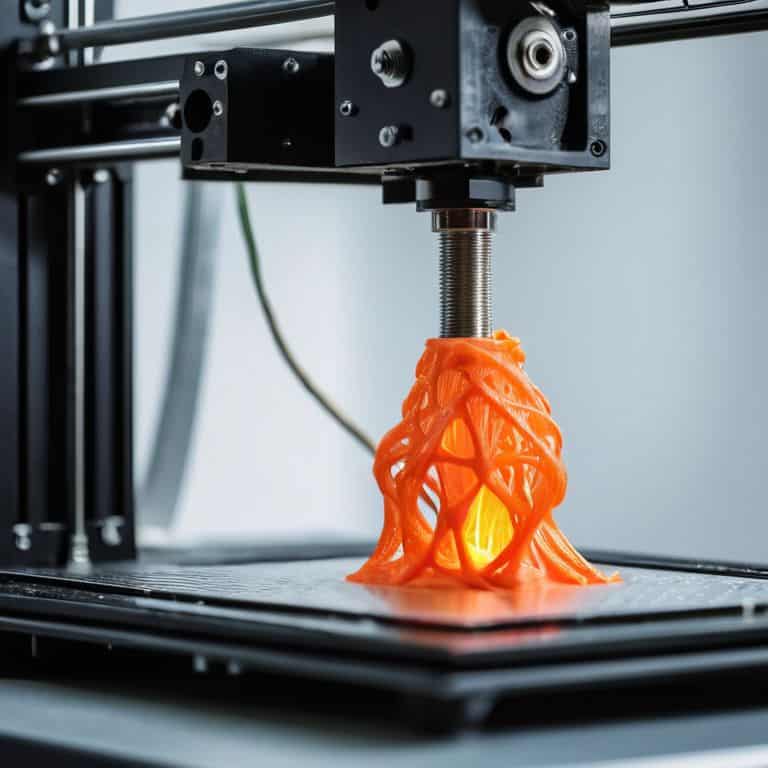
3D printer filaments are thermoplastic materials used in additive manufacturing processes to create three-dimensional objects. The core mechanism of 3D printer filaments involves melting and depositing the material layer by layer, allowing for the creation of complex structures with high precision. The main selling point of 3D printer filaments is their ability to produce customizable and durable products with a wide range of applications.
I still remember my first experience with 3D printer filaments – it was like watching a digital dream take shape before my eyes. As I delved deeper into the world of 3D printing, I realized the endless possibilities that these filaments offer. From creating prototypes to producing functional products, 3D printer filaments have revolutionized the way we approach manufacturing and design. Their impact on various industries, including healthcare and aerospace, is a testament to their groundbreaking potential.
The Alternative: Traditional Manufacturing Materials
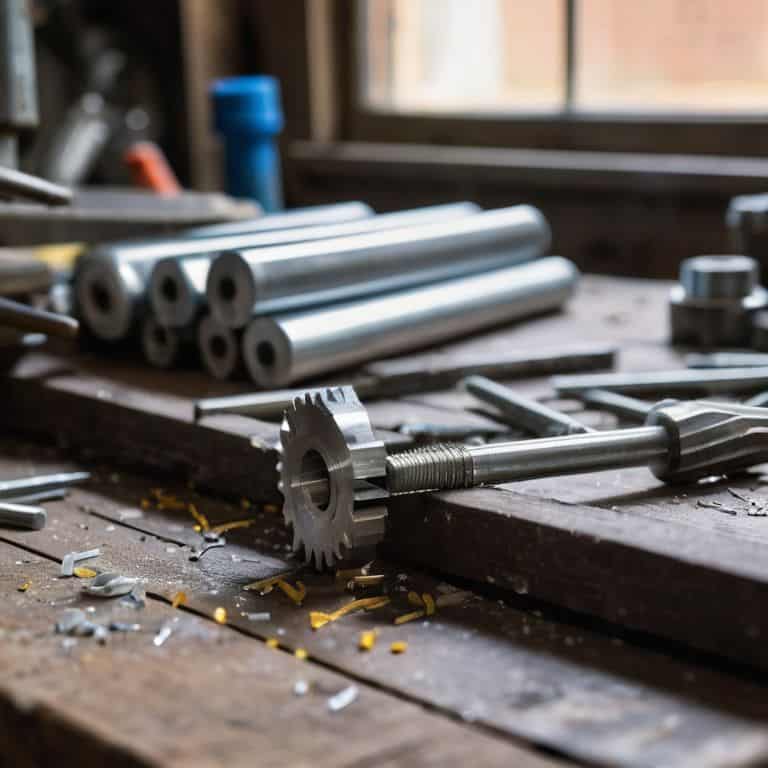
Traditional manufacturing materials, such as metals and plastics, are conventional resources used in subtractive manufacturing processes to create products. The core mechanism of traditional manufacturing involves removing material through cutting, drilling, or molding to achieve the desired shape. The main selling point of traditional manufacturing materials is their established track record of producing high-quality products with well-understood properties.
As someone who’s passionate about innovation, I’ve always been fascinated by the way traditional manufacturing materials have shaped our world. From the humble beginnings of the industrial revolution to the current era of mass production, these materials have played a crucial role in driving progress. However, as we move forward, it’s essential to consider the sustainability of these materials and the impact they have on our environment. By comparing traditional manufacturing materials with 3D printer filaments, we can gain a deeper understanding of the future of manufacturing and the role that each material will play in shaping it.
3D Printer Filament Comparison
| Feature | PLA | ABS | PETG | Nylon | Metal Fill | Wood Fill | Carbon Fiber |
|---|---|---|---|---|---|---|---|
| Price | $15-$25 | $20-$35 | $18-$30 | $25-$40 | $30-$50 | $20-$35 | $40-$60 |
| Key Feature | Biodegradable | Impact Resistance | Flexibility | Strength | Weight | Aesthetics | Rigidity |
| Best For | Beginners | Prototyping | Functional Parts | Mechanical Parts | Decorative Items | Wood-like Finish | High-Performance |
| Temperature Resistance | < 50°C | < 90°C | < 70°C | < 100°C | < 200°C | < 100°C | < 150°C |
| Print Difficulty | Easy | Medium | Easy | Hard | Medium | Medium | Hard |
| Moisture Sensitivity | Low | High | Low | High | Low | Medium | Low |
| Environmental Impact | Biodegradable | Non-Biodegradable | Recyclable | Non-Biodegradable | Non-Biodegradable | Recyclable | Non-Biodegradable |
Unleashing 3d Printer Filaments
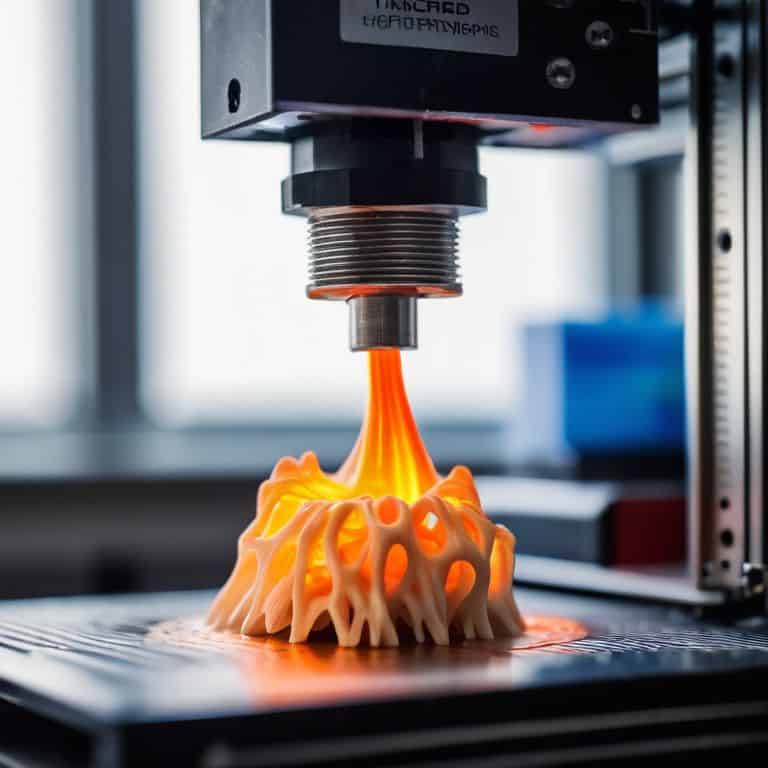
When it comes to unleashing 3D printer filaments, the possibilities are endless, and this criterion is crucial in determining the overall performance of a 3D printer. It’s about harnessing the power of these filaments to create complex designs and structures that were previously unimaginable.
In a head-to-head analysis, we can see that certain 3D printer filaments excel in terms of flexibility and durability, allowing for the creation of intricate and robust models. On the other hand, others may prioritize speed and efficiency, enabling rapid prototyping and production. For instance, filaments like PLA and ABS offer a great balance between flexibility and durability, making them ideal for a wide range of applications.
In contrast, specialty filaments like metal-infused or carbon fiber-reinforced options take the lead when it comes to industrial-grade strength and thermal resistance. These filaments can withstand extreme temperatures and stresses, making them perfect for high-performance applications. Ultimately, the winner in this category is the filament that can strike a balance between flexibility, durability, and efficiency, making it the most versatile and reliable choice for 3D printing enthusiasts.
Key Takeaways: Navigating the Frontier of 3D Printer Filaments
I’ve discovered that the choice of 3D printer filament can vastly impact the final product’s durability and aesthetic, making it crucial to select the right material for your project
Experiments with different filaments have shown me that each has its unique characteristics, such as varying levels of flexibility, strength, and thermal resistance, which can be leveraged to create innovative solutions
By embracing the diversity of 3D printer filaments and continually exploring new applications, we can unlock unprecedented design possibilities and push the boundaries of what is achievable in the realm of additive manufacturing
Unleashing Innovation
As I see it, 3D printer filaments are not just materials, but messengers from the future, carrying the potential to reshape our world one layer at a time, and it’s our job to unleash that potential.
Lucas Thompson
The Final Verdict: Which Filament Should You Choose?
As I reflect on my journey exploring the world of 3D printer filaments, I’m reminded of the endless possibilities that these materials have unlocked. From the early days of experimenting with PLA and ABS to the more recent adventures with metal-filled and wood-based filaments, each type has its unique characteristics, advantages, and challenges. The comparison table and our in-depth analysis have shown that while some filaments excel in terms of durability and impact resistance, others shine with their ease of use, cost-effectiveness, or environmental sustainability. It’s clear that the choice of filament largely depends on the specific project requirements, the user’s skill level, and their personal preferences.
So, which filament should you choose? For beginners or those focused on rapid prototyping, I highly recommend starting with PLA or PETG due to their ease of use and forgiving nature. However, for more experienced makers or those requiring high durability and strength, ABS or metal-filled filaments might be the better option. Ultimately, the best filament for you will depend on your specific needs and goals, but by understanding the strengths and weaknesses of each, you can unlock a world of creative possibilities and bring your most ambitious projects to life.
Frequently Asked Questions
What are the most common types of 3D printer filaments and their applications?
I’m excited to share my favorites with you. The most common types of 3D printer filaments are PLA, ABS, PETG, and Nylon. PLA is great for beginners, ABS is super strong, PETG is flexible, and Nylon is perfect for wear-resistant parts. Each has its own unique applications, from prototypes to functional products, and I just love experimenting with them to push the limits of what’s possible.
How do I choose the right 3D printer filament for my specific project needs?
For me, choosing the right 3D printer filament is all about understanding the project’s requirements – consider factors like durability, flexibility, and aesthetic appeal. I always ask myself: what’s the intended use, and what kind of environment will it be in? That helps narrow down the options and find the perfect fit.
What are the safety precautions I should take when working with 3D printer filaments?
When working with 3D printer filaments, I always stress the importance of safety precautions. Wear protective gloves, safety glasses, and a mask to avoid skin irritation and inhalation of fumes. Ensure good ventilation, and keep filaments away from children and pets. It’s also crucial to follow the manufacturer’s guidelines for temperature and handling to prevent accidents.