By Joseph Goto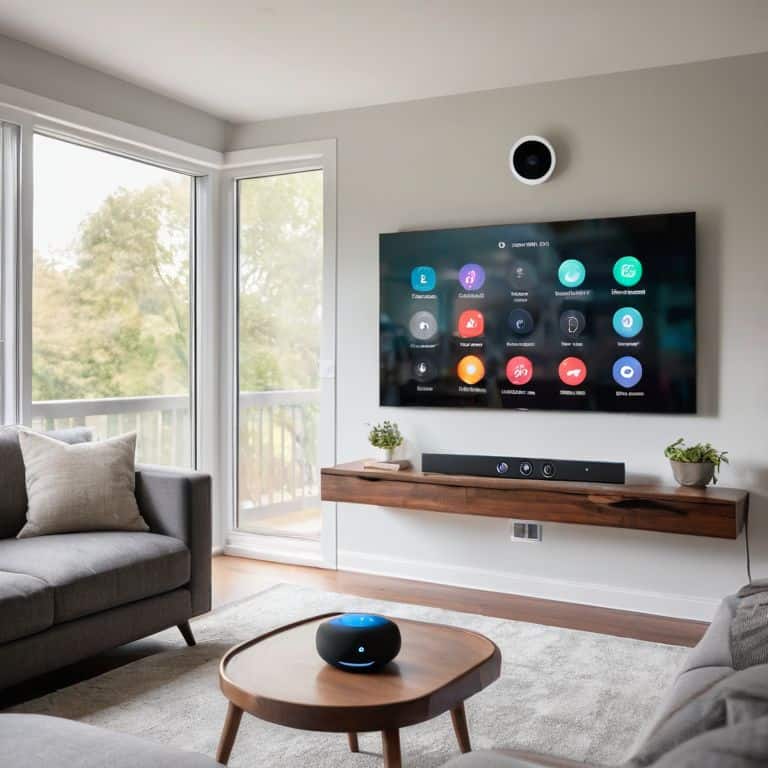
As I sit amidst the nostalgic whir of old gears and the soft glow of vintage bulbs, I’ve come to realize that integrating smart home with DIY security doesn’t have to be a daunting task. In fact, I’ve found that it’s often the misconceptions about smart home technology being overly complex that holds people back from exploring its potential. The truth is, with a little creativity and some hands-on tinkering, you can weave yesterday’s charm into tomorrow’s security solutions. My own journey with DIY projects, from upcycling vintage clocks to crafting unique furniture pieces, has taught me that the key to successful integration lies in understanding the story behind each component and how they can be repurposed to serve a new narrative.
In this article, I promise to share practical advice on how to merge the convenience of smart home technology with the humility of DIY security systems. You’ll learn how to identify the right materials, design a system that fits your unique needs, and bring it all to life without breaking the bank. By the end of this guide, you’ll be equipped with the knowledge to transform your space into a seamless blend of old and new, where smart home technology and DIY security not only coexist but complement each other in perfect harmony. So, let’s embark on this journey together, and uncover the possibilities that await when we dare to reimagine the ordinary.
Table of Contents
- Guide Overview: What You'll Need
- Step-by-Step Instructions
- Integrating Smart Home With Diy Security
- Weaving Security and Charm: 5 Tips for a Smarter, Safer Home
- Timeless Takeaways: Blending Past and Future in Smart Home Security
- Timeless Wisdom
- Weaving a Tapestry of Innovation and Nostalgia
- Frequently Asked Questions
Guide Overview: What You'll Need
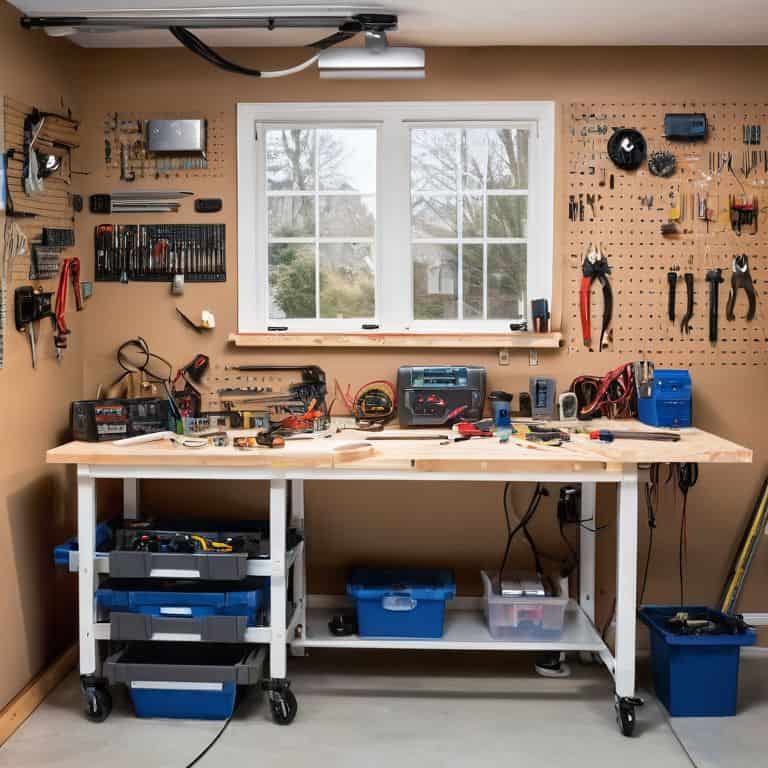
Total Time: 4 hours 30 minutes
Estimated Cost: $100 – $250
Difficulty Level: Intermediate
Tools Required
- Wireless Router (for network configuration)
- Smart Speaker (e.g., Amazon Echo or Google Home)
- Security Camera (with night vision and motion detection)
- Drill Press (for making precise holes)
- Screwdriver Set (with flathead and Phillips tips)
Supplies & Materials
- 2-in x 4-in lumber (for mounting security cameras)
- Ethernet Cables (for connecting devices to the router)
- Power Strip (with surge protection)
- Motion Sensors (for automating lighting and security)
- Smart Plugs (for controlling devices remotely)
Step-by-Step Instructions
- 1. To begin our journey of merging the past with the future, let’s start by assessing our space. This means taking a good look around your home, noting the entry points, the layout, and where you’d like to install your DIY security measures. I find that sketching out a floor plan helps immensely in visualizing where smart home technology can be seamlessly integrated with your DIY security systems.
- 2. Next, we’ll need to choose our tools. For me, this is the most exciting part – rummaging through my workshop, filled with vintage finds and modern gadgets, to see what can be repurposed or combined. Consider what materials you have on hand that could be upcycled into security features, such as old wooden doors, metal gates, or even retrofitted machinery. This step is all about creativity and seeing potential in the unexpected.
- 3. Now, let’s talk about smart home devices. We’re looking to integrate these with our DIY security, so it’s essential to select devices that can be easily controlled remotely and are compatible with a variety of sensors and alarms. I’ve found that starting small, with perhaps a central hub and a few key sensors, is the best way to begin. This allows you to build your system incrementally, ensuring each component works harmoniously with the others.
- 4. With our devices chosen, it’s time to set up our network. This involves connecting all our smart devices to a central system, which can be controlled via an app or a voice assistant. I recommend mapping out your network on paper first, to ensure you understand how each device interacts with the others. This step can seem daunting, but taking it one connection at a time makes it manageable.
- 5. The heart of our DIY security system will be the sensors and alarms. Here, we can get really creative, using everything from motion detectors to pressure pads under mats. The key is to place these strategically around your home, in areas where they’ll be most effective. Remember, the goal is not just to secure your home but to do so in a way that blends seamlessly with your decor and daily life.
- 6. Now that we have the physical aspects of our security system in place, it’s time to consider powering our devices. For a truly integrated system, consider how you can use solar panels or other renewable energy sources to power your smart home devices. Not only is this more environmentally friendly, but it also adds an extra layer of reliability to your system, ensuring it remains operational even during power outages.
- 7. As we near the completion of our project, let’s think about testing and refinement. This is a crucial step that often gets overlooked. Once everything is set up, test each component of your system, ensuring that it works as expected. Make adjustments as needed, and don’t be afraid to try new things. The beauty of a DIY system is its flexibility, allowing you to evolve and adapt your security measures as your needs change.
Integrating Smart Home With Diy Security
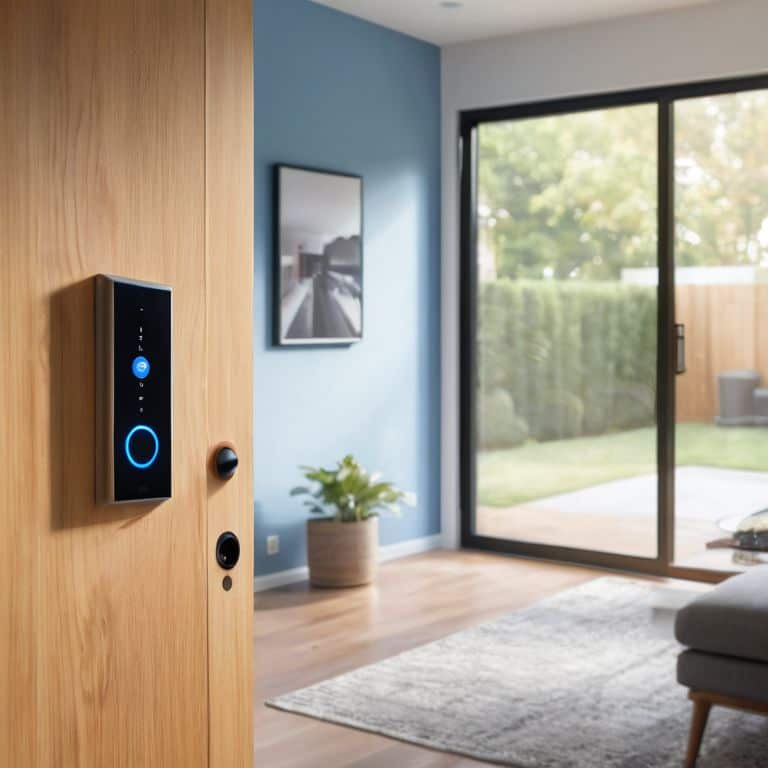
As I delve deeper into the world of smart home security, I’ve come to realize the importance of seamless integration between traditional DIY security measures and modern IoT devices. This synergy allows for a more comprehensive and efficient security system. For instance, smart lock integration with alarm systems can provide an additional layer of protection, ensuring that all entry points are secure and monitored.
When it comes to surveillance, voice assistant controlled security cameras offer a convenient and intuitive way to keep an eye on your home. By strategically placing wireless sensors around the house, you can create a robust security network that alerts you to any potential threats. This setup also enables smart home security system automation, where your system can automatically respond to suspicious activity, providing an added layer of protection.
To take your DIY home security system installation to the next level, consider incorporating iot security devices for home that can be easily integrated with your existing setup. By doing so, you’ll be able to create a more comprehensive security ecosystem that leverages the best of both worlds: the reliability of traditional DIY security and the innovation of smart home technology.
Voice Assistant Controlled Security Charm
As I delicately merge the old with the new, I find myself enchanted by the prospect of voice assistant controlled security charm. With a mere whisper, my vintage-inspired smart home security system springs to life, a harmonious blend of yesterday’s elegance and today’s innovation. The soft glow of vintage bulbs and the nostalgic whir of old gears seem to hum in approval as I issue commands, my voice assistant obediently locking doors, arming sensors, and bathing my home in a warm, reassuring light.
In this symphony of past and present, I’ve discovered a sense of comfort and belonging, a feeling that my home is not just a collection of walls and wires, but a living, breathing entity that responds to my every need. The beauty of voice assistant controlled security lies not just in its convenience, but in the way it weaves a narrative of warmth and hospitality, making my home a sanctuary that’s both deeply personal and unmistakably mine.
Whispers of Wireless Sensor Placement
As I ponder the nuances of integrating smart home technology with DIY security, my mind wanders to the art of placing wireless sensors. It’s a delicate dance, balancing form and function to create a seamless security net. I find myself drawn to unconventional locations – the creaky floorboards beneath an antique rug, the forgotten corner of a vintage bookshelf. By weaving these sensors into the fabric of our homes, we can craft a security system that not only protects, but also tells a story of innovation and nostalgia.
With each sensor placement, I feel like I’m sketching a new chapter in the narrative of my home’s history. The soft glow of LED indicators, the whisper of alerts on my vintage-inspired smart display – it’s a symphony of old and new, working in harmony to safeguard what’s precious. As I sit amidst the whir of gears and the warm light of vintage bulbs, I’m reminded that security isn’t just about protection; it’s about preserving the essence of our stories, our memories, and our homes.
Weaving Security and Charm: 5 Tips for a Smarter, Safer Home
- As I sit amidst the gentle tick-tock of my upcycled clock creations, I’m reminded that security and charm aren’t mutually exclusive – tip #1: Blend smart devices with vintage decor to create a unique security aesthetic
- In the spirit of my grandmother’s artistic teachings, I’ve found that storytelling through DIY projects can extend to security – tip #2: Use narrative elements, like customized voice assistant responses, to make your smart home security system more personal and engaging
- My experience with integrating smart home technology with DIY security has shown me the importance of considering the flow of daily life – tip #3: Place wireless sensors in areas that respect both privacy and security needs, ensuring a seamless user experience
- From my workshop, where old gears meet new tech, I’ve learned that the key to successful integration is harmony – tip #4: Choose smart home devices that complement your DIY security measures, focusing on compatibility and user-friendly interfaces
- Lastly, as someone who believes in the beauty of transformation, I advise embracing the evolutionary nature of smart home security – tip #5: Regularly update and adapt your system to new technologies and threats, ensuring your home remains a sanctuary of both comfort and security
Timeless Takeaways: Blending Past and Future in Smart Home Security
As I reflect on my journey of merging vintage charm with cutting-edge smart home technology, I realize that the true beauty lies in the balance between form and function – where antique gears and wireless sensors coexist in harmony.
The placement of wireless sensors, much like the deliberate strokes of my vintage fountain pen, requires a deep understanding of the space and its rhythms – transforming a mere security system into a testament of thoughtful design.
By weaving the enchantment of voice assistant controlled security into the fabric of our daily lives, we not only ensure a safer haven but also narrate a story of innovation, where yesterday’s tales are retold with the magic of today’s technology.
Timeless Wisdom
As we weave the threads of smart home technology into the tapestry of DIY security, we must remember that true innovation lies not in replacing the past, but in embracing its charm and character, allowing the whispers of yesterday to inform the brilliance of tomorrow.
Joseph Goto
Weaving a Tapestry of Innovation and Nostalgia
As I reflect on our journey of integrating smart home technology with DIY security, I’m reminded of the beauty of transformation that occurs when we merge the old with the new. From the careful placement of wireless sensors to the charm of voice assistant controlled security, each step has been a testament to the power of creative problem-solving. By embracing this fusion, we not only enhance our home’s security and efficiency but also infuse it with a unique character that reflects our personalities and stories.
As we conclude this chapter in our workshop of wonders, I invite you to embark on your own journey of discovery, where the whispers of the past meet the innovative spirit of the present. Let us continue to weave a tapestry of innovation and nostalgia, where every thread tells a story of transformation and every stitch is a testament to the human spirit’s capacity to create, to imagine, and to inspire.
Frequently Asked Questions
How can I ensure that my DIY security system is compatible with my existing smart home devices?
To ensure compatibility, I always start by listing my existing smart home devices and their communication protocols, then match them with my DIY security system’s requirements – it’s a bit like pairing vintage clock mechanisms with the right gears, everything must fit harmoniously.
What are some creative ways to disguise wireless sensors and security cameras to maintain the aesthetic of my vintage-themed home?
The art of concealment! I’ve found that disguising wireless sensors as vintage clock faces or hiding security cameras within antique lanterns can beautifully preserve the nostalgic charm of your home, all while keeping it safe and secure.
Can I use voice assistants to control and monitor my DIY security system remotely, and if so, what are the best practices for securing those voice commands?
As I tweak my vintage clockwork creations, I’ve found that voice assistants can indeed be woven into DIY security systems, allowing for remote control and monitoring. To secure those voice commands, I recommend using unique phrases and enabling two-factor authentication – a modern twist on traditional security, blended with the charm of nostalgia.